Films
3 films
About D.D. Dabke
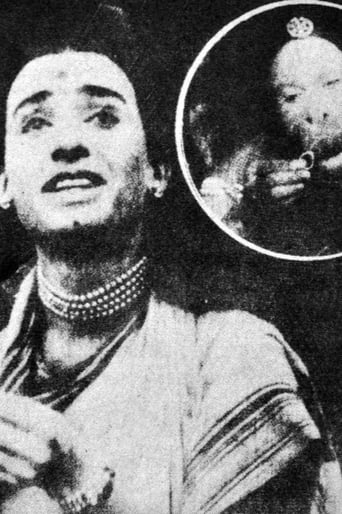
D. D. Dabke — Indian silent-era actor best remembered for his participation in some of the foundational films of early Indian cinema. He is associated with the phase of filmmaking in India, when productions were still being made in a highly experimental, mythological, and theatrical style and when the language of screen acting had not yet fully developed. Dabke is D.D. Dabke appeared in landmark works such as Raja Harishchandra (1913), The Burning of Lanka (1917), and Birth of Shri Krishna (1918), placing him among the performers who helped establish the visual vocabulary of Indian mythological cinema. Because the surviving documentation from this period is often sparse, many personal details about his life, including birth and death information, are not firmly recorded in widely accessible sources. What is clear, however, is that he belonged to the first generation of screen actors working in India and contributed to films that became part of the country’s cinematic origin story. His career is significant less for a long documented filmography than for the historical importance of the productions in which he appeared. Dabke’s name remains of interest to film historians because of his connection to the earliest surviving and best-known titles of the silent era in India.
The Craft
On Screen
As a silent-era performer, D. D. Dabke would have worked within the expressive, highly gestural performance conventions common to early Indian cinema. Acting in mythological films of the period generally required broad facial expressions, emphatic body language, and a stage-influenced presentation that could communicate narrative and emotion without spoken dialogue. Specific contemporary descriptions of Dabke's individual technique are not widely preserved, but his filmography suggests participation in the stylized, theatrical mode that defined early screen acting in India.
Milestones
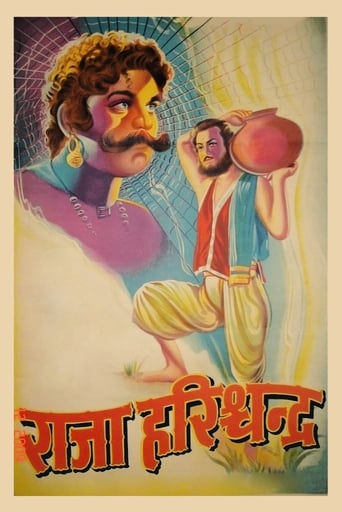
- Appeared in Raja Harishchandra (1913), one of the earliest landmark feature films in Indian cinema and a foundational work of the silent era.
- Acted in The Burning of Lanka (1917), a mythological film from the early development of Indian screen storytelling.
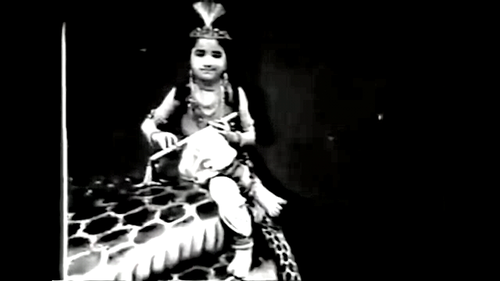
- Featured in Birth of Shri Krishna (1918), another important mythological production from the silent period.
- Worked during the formative years of Indian cinema, when performance styles were being adapted from theatre to the screen.
- Remains part of the historical record of the first generation of Indian film performers.
Best Known For
Iconic Roles
Must-See Films
Working Relationships
Worked Often With
Studios
Why They Matter
Impact on Culture
D. D. Dabke’s cultural importance lies in his association with the birth of Indian feature filmmaking. By appearing in Raja Harishchandra and later mythological works, he participated in a cinematic form that helped shape national film culture, audience expectations, and the mythological genre that remained central to Indian popular cinema for decades. Early actors like Dabke helped define how Indian stories could be told on screen, especially at a time when cinema was still competing with theatre and other visual entertainments for legitimacy. Even though his individual star persona is not as well documented as later performers, his filmography places him among the pioneers whose work formed the bedrock of the industry.
Lasting Legacy
D. D. Dabke’s legacy is inseparable from the history of silent cinema in India. His presence in some of the most historically significant early films makes him part of the foundational cast of Indian screen culture. For film historians, his name is valuable as evidence of the collaborative nature of the earliest productions and of the actors who helped bring mythological narratives to the new medium of film. His lasting legacy is less one of celebrity than of historical importance: he is remembered as one of the early performers who stood at the beginning of Indian cinema’s long development.
Who They Inspired
D. D. Dabke influenced cinema primarily through participation rather than through a documented later career as a teacher or innovator. By helping embody the performance style of silent mythological films, he contributed to the visual grammar that later actors and filmmakers inherited and refined. The productions he appeared in influenced generations of Indian filmmakers, and by extension, the performers who followed in the mythological and devotional traditions of Indian popular cinema. His work is part of the lineage that established the screen presence and storytelling conventions of early Indian acting.
Off Screen
Reliable public information about D. D. Dabke's personal life is extremely limited. Available historical references emphasize his participation in early films rather than family background, education, or domestic life. No widely verified record of marriages, children, or detailed biographical milestones is commonly available in standard film-history references for him. As with many silent-era Indian performers, the surviving record is fragmentary, and much of his off-screen life remains undocumented.
Education
No verified information is widely available about his education.
Did You Know?
- D. D. Dabke is associated with some of the earliest recognized feature films in Indian cinema.
- His known film appearances all belong to the silent era.
- He is linked to mythological storytelling, a dominant genre in early Indian film history.
- The historical record on his life is sparse, which is common for many early Indian film performers.
- Raja Harishchandra, one of his credited films, is widely regarded as a milestone in Indian cinema.
- His career falls entirely within the formative years before synchronized sound arrived in Indian films.
- He is remembered more by historians than by mainstream popular memory, due to the era in which he worked.
Frequently Asked Questions
Who was D. D. Dabke?
D. D. Dabke — Indian silent-era actor associated with the earliest years of Indian feature filmmaking. He is best known for appearing in historically important films such as Raja Harishchandra, The Burning of Lanka, and Birth of Shri Krishna.
What films is D. D. Dabke best known for?
Titles linked here include Raja Harishchandra (1913), The Burning of Lanka (1917).
When was D. D. Dabke born and when did he die?
His birth date and death date are not clearly documented in widely available film-history references. Many details of his personal life remain unavailable because records from the silent era are often incomplete.
What awards did D. D. Dabke win?
No specific awards or nominations are widely documented for D. D. Dabke. This is not unusual for actors from the silent era, especially those active in the earliest years of Indian cinema.
What was D. D. Dabke's acting style?
As a silent-film performer, he would have worked in the expressive, theatrical style typical of early cinema. That generally meant strong gestures, clear facial expression, and performance methods influenced by stage traditions, especially in mythological films.
What is D. D. Dabke's legacy in film history?
His legacy comes from his participation in some of the foundational films of Indian cinema. He is remembered as part of the generation whose work helped establish the mythological film tradition and the early screen language of Indian storytelling.