Films
4 films

About Andrea Habay
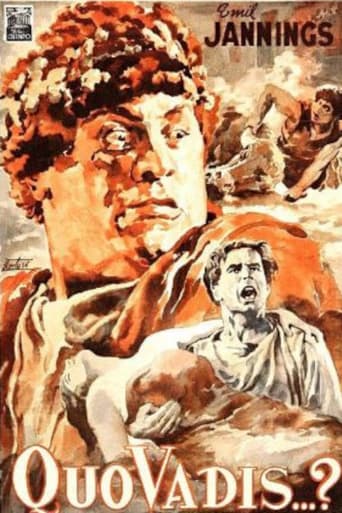
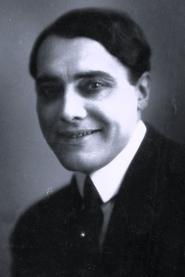
Italian silent film actor who graced the screens during the golden age of Italian cinema in the 1910s and early 1920s. Though detailed biographical records are scarce, Habay appeared in several notable Italian productions that showcased the country's cinematic prowess during this era. Andrea Habay's from 1914 to 1924, coinciding with the peak of Italian silent film production, particularly in the historical epic genre. Habay's most significant work included appearances in prestigious productions like the 1924 epic 'Quo Vadis?', which was ambitious Italian films of its time. Andrea Habay's participation in these high-profile productions suggests they were a respected performer within the Italian film industry, though perhaps not reaching the international fame of contemporaries like Francesca Bertini or Lyda Borelli. Like many silent era actors, Habay's career likely declined with the advent of sound cinema, and the actor's legacy remains primarily through the surviving films from this remarkable period of Italian cinema history.
The Craft
On Screen
As a silent era performer, Habay likely employed the exaggerated gestures and dramatic expressions characteristic of the period, though specific details about their acting technique are not documented in surviving records.
Milestones
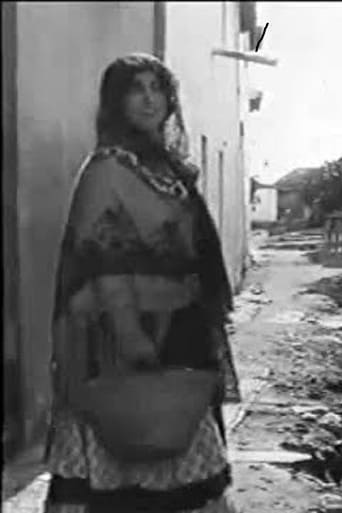
- Appeared in the 1914 Italian adaptation of 'Carmen'
- Starred in the 1917 film 'Satan's Rhapsody' (Rapsodia Satanica)
- Participated in the epic 1924 production 'Quo Vadis?'
Best Known For
Iconic Roles
Must-See Films
Working Relationships
Worked Often With
Studios
Why They Matter
Impact on Culture
Andrea Habay represents the numerous talented actors who contributed to Italy's golden age of silent cinema but whose names have largely faded from popular memory. Their participation in major productions like 'Quo Vadis?' places them within the context of Italy's significant contribution to early cinema, particularly in the epic genre that would later influence Hollywood productions.
Lasting Legacy
While not remembered as a major star, Habay's work survives through the preservation of important Italian silent films. Their career exemplifies the collaborative nature of early cinema, where ensemble casts brought grand visions to life, contributing to the artistic achievements of the era even if individual names were not always recorded for posterity.
Who They Inspired
As a supporting actor in significant Italian productions, Habay would have contributed to the development of cinematic acting techniques that evolved during the silent era, though specific influences on other performers cannot be documented due to limited records.
Off Screen
Very little is documented about Andrea Habay's personal life, which is common for many supporting actors from the silent era whose records have been lost to time.
Did You Know?
- Appeared in three of the most significant Italian silent films of the 1910s-1920s
- Active years covered exactly one decade from 1914 to 1924
- Worked during the peak period of Italian silent film production
- Participated in the 1924 version of 'Quo Vadis?',
- The name 'Habay' suggests possible foreign ancestry, though the actor worked primarily in Italian cinema
Frequently Asked Questions
Who was Andrea Habay?
Italian silent film with credits in this catalog.
What films is Andrea Habay best known for?
Titles linked here include Carmen (1914), Satan's Rhapsody (1917).
When was Andrea Habay born and when did they die?
Specific birth and death dates for Andrea Habay are not documented in available historical records, which is common for many supporting actors from the silent era whose personal information was not preserved.
What awards did Andrea Habay win?
No awards or nominations for Andrea Habay are documented in available records, as formal acting awards were not yet established during their active period in the 1910s and early 1920s.
What was Andrea Habay's acting style?
While specific details about Habay's acting technique are not recorded, as a silent era performer they likely employed the dramatic gestures and expressive techniques typical of the period, which emphasized visual storytelling to convey emotions without dialogue.
Why is so little known about Andrea Habay?
Limited information about Andrea Habay reflects the broader challenge of documenting the lives of supporting actors from the silent era, many of whose records were lost or never thoroughly documented, especially for those who were not major international stars.