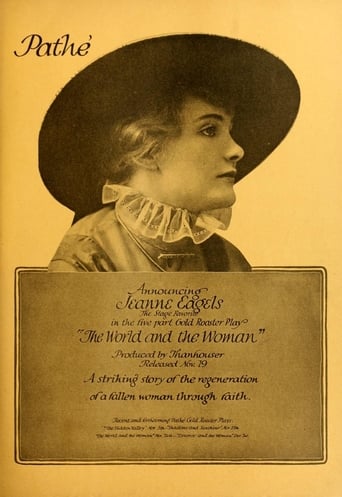

Jeanne Eagels
Actor
Born: June 26, 1890 in Kansas City, Missouri, USA Died: October 3, 1929 Active: 1911-1929 Birth Name: Amelia Jean Eagles
Films
3 films
About Jeanne Eagels
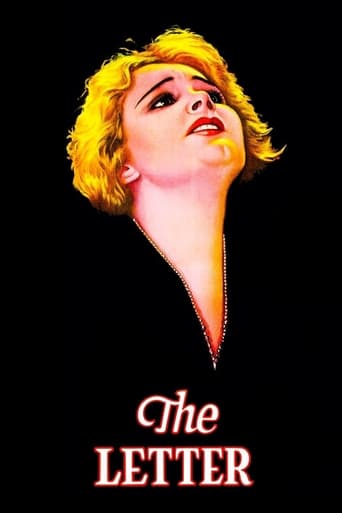
American actress who achieved remarkable success on both the Broadway stage and in silent films before becoming one of the earliest stars of sound cinema. Born Amelia Jean Eagles in Kansas City, Missouri, she began her career as a photographer's model before transitioning to vaudeville and eventually Broadway, where she became a sensation in the 1910s. Her breakthrough stage role came in 1922 when she starred in the Broadway production of 'Rain,' a performance that would define her career and showcase her intense, emotionally charged acting style. Eagels made her film debut in 1916 and appeared in numerous silent films throughout the 1910s and 1920s, though her stage work remained her primary focus. Her transition to sound films was marked by her powerful performance in 'The Letter' (1929), which earned her a posthumous Academy Award nomination for Best Actress, making her one of the first actors to receive such recognition after death. Tragically, Eagels died at the height of her fame at age 39, leaving behind a legacy as talented and emotionally compelling actresses of her generation.
The Craft
On Screen
Jeanne Eagels was renowned for her intense, emotionally charged acting style that brought unprecedented psychological depth to her performances. She employed a naturalistic approach that was ahead of its time, moving away from the exaggerated gestures common in silent film acting toward more subtle, internalized emotions. Her technique involved meticulous character study and an ability to convey complex emotional states through her expressive eyes and controlled movements. Eagels was particularly noted for her ability to portray tormented, passionate women with remarkable authenticity, making her a favorite for dramatic roles that required emotional range and intensity. Her stage background informed her film work, giving her performances a theatrical grandeur while maintaining the intimacy required by the camera.
Milestones
- Broadway debut in 'The Great Adventure' (1913)
- Starred in hit Broadway production 'Rain' (1922)
- Successful transition from silent films to talkies
- Posthumous Academy Award nomination for 'The Letter' (1929)
- Considered
- emotional intensity in film acting
Best Known For
Iconic Roles
Must-See Films
Accolades
Won
- Posthumous Academy Award nomination for Best Actress (1929)
Nominated
- Academy Award for Best Actress for 'The Letter' (1929) - First posthumous acting nomination
Special Recognition
- Star on the Hollywood Walk of Fame (for film contributions)
- Broadway Hall of Fame induction (for stage contributions)
Working Relationships
Worked Often With
Studios
Why They Matter
Impact on Culture
Jeanne Eagels had a profound impact on both stage and screen acting during the transitional period from silent films to talkies. Her emotionally intense and psychologically nuanced performances helped establish a new standard for dramatic acting in cinema, moving away from the theatrical gestures of early film toward more naturalistic expression. As one of the first major stage stars to successfully transition to sound films, she demonstrated that theatrical training could enhance rather than hinder screen performances. Her portrayal of complex, often morally ambiguous women challenged the simplistic characterizations common in 1920s cinema and paved the way for more sophisticated female roles in subsequent decades. Eagels' tragic death at the height of her fame created a legendary mystique that has endured, making her an iconic figure of Hollywood's golden age.
Lasting Legacy
Jeanne Eagels' legacy endures as that of a actress who bridged the worlds of stage and screen during one of cinema's most transformative periods. She is remembered for bringing unprecedented emotional depth and psychological realism to her performances, influencing generations of actors who followed. Her posthumous Academy Award nomination established a precedent for recognizing artistic achievement regardless of an artist's mortality. The 1957 biographical film 'Jeanne Eagels,' starring Kim Novak, testified to her enduring cultural significance and the fascination with her life and career. Eagels is frequently cited by film historians as.
Who They Inspired
Jeanne Eagels influenced numerous actors who followed, particularly in the realm of emotional intensity and character immersion. Her naturalistic acting style prefigured the method acting approach that would dominate American cinema in the 1950s and beyond. Actresses such as Bette Davis, Joan Crawford, and Barbara Stanwyck cited Eagels as an inspiration for their own dramatic performances and willingness to portray complex, often unsympathetic characters. Her success in both theater and film demonstrated to future performers the value of cross-medium experience and classical training. Eagels' technique of conveying deep emotion through subtle expression rather than broad gesture became increasingly influential as cinema matured beyond its theatrical origins.
Off Screen
Jeanne Eagels had a tumultuous personal life marked by professional triumph and personal struggles. She married Edward H. 'Ted' Coy, a famous Yale football player and coach, in 1916, but their marriage ended in divorce in 1928 amid rumors of her extramarital affairs and his gambling problems. Eagels was known for her volatile temperament and struggled with alcoholism and health issues throughout her career. She had no children but was known to be deeply devoted to her art, often pushing herself to physical and emotional exhaustion for her roles. Her death at age 39 was attributed to complications from alcohol withdrawal and nervous exhaustion, cutting short a brilliant career that was still ascending.
Education
Attended public schools in Kansas City; later studied acting in New York City
Family
- Edward H. 'Ted' Coy (1916-1928)
Did You Know?
- Changed the spelling of her last name from 'Eagles' to 'Eagels' for her stage name
- Was one of the first actresses to earn $1,000 per week on Broadway
- Her death occurred just days after the stock market crash of 1929
- Was the first actor to receive a posthumous Academy Award nomination
- Her performance in 'Rain' was so powerful that she was typecast in similar roles for years
- Refused to use stunt doubles, often performing her own dangerous scenes
- Was known for her perfectionism, often demanding multiple takes to achieve the desired emotional effect
- Her funeral was attended by thousands of fans and prominent Hollywood figures
- The 1957 film about her life was controversial for its fictionalized elements
- Her original death certificate listed 'nervous exhaustion' as the cause of death
In Their Own Words
I would rather play a great part badly than a small part well.
The camera is a truth-teller. It knows when you're faking emotion.
Stage acting is about projection; film acting is about revelation.
Every role I play, I live. That's both my blessing and my curse.
The audience doesn't want to see you act—they want to see you feel.
Frequently Asked Questions
Who was Jeanne Eagels?
American actress who achieved fame on Broadway and in silent films during the 1910s and 1920s. She was known for her intense, emotionally charged performances and successfully transitioned to sound films before her tragic early death at age 39 in 1929.
What films is Jeanne Eagels best known for?
Titles linked here include The Letter (1929), Rain (1928).
When was Jeanne Eagels born and when did she die?
Born June 26, 1890; died October 3, 1929.
What awards did Jeanne Eagels win?
Jeanne Eagels received a posthumous Academy Award nomination for Best Actress for her performance in 'The Letter' (1929), making her one of the first actors to receive such recognition after death. She also received a star on the Hollywood Walk of Fame for her contributions to film.
What was Jeanne Eagels' acting style?
Jeanne Eagels was known for her intense, emotionally charged acting style that brought psychological depth to her performances. She employed a naturalistic approach that moved away from the exaggerated gestures common in silent films, using subtle expressions and internalized emotions to convey complex characters.
Was Jeanne Eagels married?
Yes, Jeanne Eagels was married to Edward H. 'Ted' Coy, a famous Yale football player and coach, from 1916 until their divorce in 1928. Their marriage was troubled and ended amid rumors of infidelity and Coy's gambling problems.
How did Jeanne Eagels die?
Jeanne Eagels died from complications related to alcohol withdrawal and nervous exhaustion at age 39. Her death was particularly tragic as it occurred at the height of her career success, just as she was establishing herself as a major star in sound films.