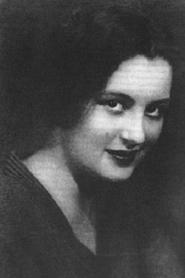
Veronika Polonskaya
Actor
Born: 1909 in St. Petersburg, Russian Empire Died: 1994 Active: 1928-1935 Birth Name: Veronika Vitoldovna Polonskaya
Films
2 films

About Veronika Polonskaya
Veronika Vitoldovna Polonskaya — Soviet actress born in 1909 in St. Petersburg, Russian Empire. She began her acting career in the late 1920s during the transition from silent films to sound in Soviet cinema. Polonskaya is perhaps best known for her marriage to filmmaker Sergei Eisenstein from 1930 to 1932, which placed her at the center of Soviet artistic circles during a crucial period. Her acting career included roles in several Soviet films throughout the 1930s, though she never achieved the same level of fame as some of her contemporaries. After her divorce from Eisenstein, she continued working in film but gradually shifted her focus away from acting. Polonskaya lived through the dramatic transformations of Soviet cinema, from the experimental avant-garde period to the era of socialist realism. Her later years were spent away from the spotlight, and she passed away in 1994, having witnessed the collapse of the Soviet Union.
The Craft
On Screen
Polonskaya's acting style reflected the theatrical and expressive traditions of early Soviet cinema, characterized by dramatic gestures and emotional intensity typical of the transitional period from silent to sound films. Her performances embodied the experimental spirit of Soviet avant-garde cinema while adapting to the new demands of sound technology.
Milestones
- Marriage to Sergei Eisenstein (1930-1932)
- Roles in Soviet experimental cinema
- Participation in early Soviet sound films
- Association with avant-garde artistic circles in Moscow
Best Known For
Iconic Roles
Must-See Films
Accolades
Special Recognition
- Recognition as part of Soviet cinema history through association with Eisenstein
Working Relationships
Worked Often With
Studios
Why They Matter
Impact on Culture
Veronika Polonskaya's cultural impact is primarily derived from her association with Sergei Eisenstein during a crucial period of his career and Soviet cinema's development. Her presence in Eisenstein's life during the early 1930s coincided with his transition to sound films and his increasing challenges with Soviet authorities. As such, she serves as a historical figure connecting the personal and artistic dimensions of one of cinema's most important periods. Her story reflects the complex interplay between personal relationships and artistic creation in the highly politicized environment of Stalinist Russia.
Lasting Legacy
Polonskaya's legacy in film history is primarily that of a witness to and participant in the golden age of Soviet avant-garde cinema. While her own film career was modest, her connection to Eisenstein has ensured her place in cinema history books and scholarly discussions about the great director's life and work. She represents the often-overlooked contributors to cinema's development whose stories provide valuable context for understanding the artistic and social dynamics of early Soviet film culture.
Who They Inspired
Polonskaya's direct influence on other actors or filmmakers is not well-documented, but her story has influenced historical understanding of Eisenstein's life and the personal dimensions of Soviet artistic creation. Film scholars and biographers studying Eisenstein's work and life often reference her role in his personal development during a critical transitional period.
Off Screen
Veronika Polonskaya's personal life was notably marked by her marriage to Sergei Eisenstein,. Their marriage lasted from 1930 to 1932 and placed her at the intersection of Soviet artistic and intellectual life during a complex period. The relationship ended in divorce, reportedly due to Eisenstein's homosexuality and the pressures of his work. After her divorce, Polonskaya largely withdrew from the public eye, though she remained connected to Soviet artistic circles.
Education
Likely trained in Soviet theatrical and film acting techniques of the 1920s
Family
- Sergei Eisenstein (1930-1932)
Did You Know?
- Her marriage to Eisenstein coincided with his work on his first sound film projects
- The divorce from Eisenstein was reportedly amicable but marked by the director's personal struggles
- She lived through the entire Soviet period, from the revolution to the collapse of the USSR
- Her life spanned nearly the entire history of Soviet cinema
- She was part of Moscow's artistic elite during one of its most vibrant and dangerous periods
- Her story provides insight into the personal lives of Soviet artists during Stalin's rule
In Their Own Words
No widely documented quotes attributed to her in public sources
Frequently Asked Questions
Who was Veronika Polonskaya?
Soviet actress active in the late 1920s and 1930s, best known for her marriage to legendary filmmaker Sergei Eisenstein from 1930 to 1932. She worked in Soviet cinema during the transitional period from silent to sound films.
What films is Veronika Polonskaya best known for?
Titles linked here include Various Soviet films from the early sound era.
When was Veronika Polonskaya born and when did she die?
Born 1909; died 1994.
What awards did Veronika Polonskaya win?
There are no documented major awards or nominations for Veronika Polonskaya. Her recognition comes primarily from her historical significance as Eisenstein's spouse and her place in Soviet cinema history.
What was Veronika Polonskaya's acting style?
Polonskaya's acting style reflected the theatrical and expressive traditions of early Soviet cinema, characterized by the dramatic intensity typical of the transitional period from silent to sound films in the Soviet Union.