No Poster
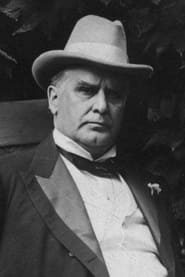
William McKinley
Actor
Born: January 29, 1843 in Niles, Ohio, United States Died: September 14, 1901 Active: 1896-1901 (filmed appearances) Birth Name: William McKinley Jr.
Films
3 films
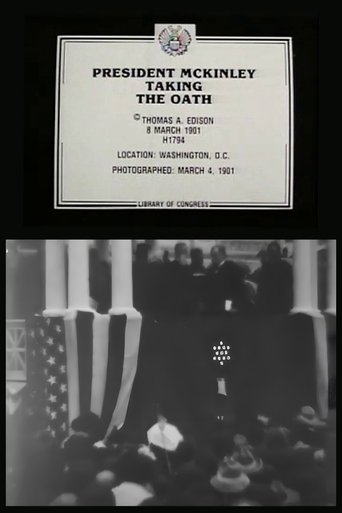
About William McKinley
William McKinley was the 25th President of the United States who inadvertently became one of the earliest subjects of motion picture photography during the dawn of cinema. Born in Ohio in 1843, McKinley served in the Union Army during the Civil War before embarking on a political career that included terms in the U.S. House of Representatives and as Governor of Ohio. His presidential campaign in 1896 coincided with the emergence of motion pictures as a new medium, leading to some of the earliest political films being made about him. These films were not fictional performances but rather documentary footage capturing actual events in his life and presidency. McKinley's appearances in these early films represent a fascinating intersection of American political history and the birth of cinema, showing how the new technology was immediately drawn to documenting important public figures. His presidency was cut short by assassination in September 1901, making him one of the first historical figures to have their life partially documented through motion pictures.
The Craft
On Screen
Not applicable - appeared as himself in documentary footage rather than fictional performances
Milestones
- Elected 25th President of the United States (1896)
- Led United States through Spanish-American War (1898)
- First U.S. President to be extensively photographed in motion pictures
- Established gold standard with Gold Standard Act (1900)
- Assassinated in Buffalo, New York (1901)
Best Known For
Iconic Roles
Must-See Films
Accolades
Won
- Not applicable - political figure, not entertainer
Special Recognition
- Mount McKinley (Denali) named in his honor (1917-2015)
- Numerous schools, buildings, and locations named McKinley
- McKinley National Memorial in Canton, Ohio
- U.S. $500 bill featured his portrait (1928-1946)
Working Relationships
Worked Often With
Studios
Why They Matter
Impact on Culture
William McKinley's appearance in early motion pictures represents a pivotal moment in the relationship between politics and media. These films, though brief and primitive by modern standards, established the precedent for documenting presidential activities through moving images. McKinley's willingness to be filmed helped legitimize cinema as a medium for capturing important historical events and public figures. His filmed appearances also marked the beginning of the visual presidency, where the image of the president would become increasingly important in American political culture. These early films of McKinley are invaluable historical documents that provide modern viewers with the only moving images of this significant American president.
Lasting Legacy
William McKinley's legacy in cinema history is unique as he represents the bridge between pre-film and film eras of American politics. While primarily remembered as a president who led America through the Spanish-American War and established it as an imperial power, his early film appearances make him an important figure in media history. These films are among the earliest examples of political documentary and demonstrate how quickly motion picture technology was adapted to capture contemporary events. McKinley's assassination in 1901, which was also filmed in its aftermath, further cemented his place in early cinema history. His presidency marked the beginning of the visual documentation of the American presidency, a tradition that would become essential to politics in the 20th century and beyond.
Who They Inspired
McKinley's early film appearances influenced how future presidents would approach the new medium of motion pictures. His willingness to be filmed set a precedent that subsequent presidents would follow, though they would become increasingly sophisticated in their use of film. The footage of McKinley helped establish the importance of visual documentation in preserving presidential history for future generations. His appearances also demonstrated the power of motion pictures to bring the presidency closer to the American people in a way that photographs and written descriptions could not. This early intersection of politics and cinema would eventually evolve into the carefully managed media strategies that characterize modern presidential communication.
Off Screen
William McKinley married Ida Saxton in 1871, and their marriage was marked by tragedy with the deaths of both their young daughters. Ida suffered from poor health for much of their marriage, and McKinley was known for his devoted care for her. He was a deeply religious man and a Methodist who rarely missed church services. His personal life was characterized by Victorian propriety and strong family values, making him a model of domestic virtue for his era. After his assassination, the nation mourned not just a fallen president but a beloved family man.
Education
Allegheny College (attended briefly), Albany Law School (studied law)
Family
- Ida Saxton McKinley (1871-1901)
Did You Know?
- First U.S. President to have his inauguration filmed
- His campaign in 1896 was one of the first to use motion pictures for political purposes
- The films of McKinley are among the earliest surviving examples of American documentary cinema
- McKinley's second inauguration was filmed by multiple companies, showing the commercial appeal of presidential footage
- His assassination at the Pan-American Exposition was extensively photographed and some motion picture footage exists of the aftermath
- The films of McKinley were typically only 30-60 seconds long due to technical limitations of early cameras
- McKinley's wife Iza appears in some of the films, making her one of the earliest First Ladies captured on motion picture
- These films were shown in vaudeville theaters across the country as part of the emerging cinema programming
- McKinley's films helped establish the practice of filming presidential inaugurations, which continues to this day
- The footage of McKinley represents some of the only moving images of a 19th-century American president
In Their Own Words
That's all a man can hope for during his lifetime - to set an example - and when he is dead, to be an inspiration for history.
The mission of the United States is one of benevolent assimilation.
War should never be entered upon until every agency of peace has failed.
Expositions are the timekeepers of progress.
I have never been in doubt since I was old enough to think intelligently that I would sometime be made President.
Frequently Asked Questions
Who was William McKinley?
William McKinley was the 25th President of the United States, serving from 1897 until his assassination in 1901. He was a Civil War veteran, former Congressman and Governor of Ohio who became an early subject of motion picture photography during the dawn of cinema.
What films is William McKinley best known for?
Titles linked here include McKinley at Home, Canton, Ohio (1896), President McKinley's Inauguration (1897).
When was William McKinley born and when did he die?
Born January 29, 1843; died September 14, 1901.
What awards did William McKinley win?
As a political figure rather than an entertainer, McKinley did not receive film industry awards. However, he received numerous honors including having the highest peak in North America named Mount McKinley (now Denali) in his honor for many years.
What was William McKinley's acting style?
McKinley did not have an acting style as he appeared as himself in documentary footage rather than fictional films. His on-screen presence was that of a formal, dignified late 19th-century politician, captured during actual events and ceremonies.
How did McKinley influence early cinema?
McKinley's appearances in early films helped establish motion pictures as a legitimate medium for documenting important political events and figures. His willingness to be filmed set precedents for how future presidents would interact with the new medium of cinema.
Were the films of McKinley fictional or documentary?
All films featuring William McKinley were documentary footage of real events, including his campaign activities, inauguration ceremonies, and official duties. He never appeared in fictional films or portrayed characters other than himself.