
Films
2 films

About Fraunie Fraunholz
Character actor during the early silent film era, primarily active in 1913. He worked with filmmakers during a crucial period when American cinema was establishing its artistic and commercial foundations. Fraunholz appeared in several short comedies and dramas that were typical of the rapid production schedules of early studios. Like many actors of his generation, he likely transitioned from vaudeville or stage work to the new medium of motion pictures. His filmography, while brief, represents the typical output of contract players during the early 1910s who appeared in numerous short films produced to satisfy the growing public appetite for cinema. Fraunholz was part of the ensemble casts that populated early American cinema, often playing supporting roles that helped establish the narrative conventions of silent filmmaking. His career appears to have been concentrated in the year 1913, which was common for many early film actors who either moved on to other professions or continued in less prominent roles.
The Craft
On Screen
As was typical for actors of the early 1910s, Fraunholz likely employed broad, expressive gestures and exaggerated facial expressions to convey emotion in silent films. Early silent acting emphasized physical comedy and dramatic pantomime, as actors could not rely on spoken dialogue. His style would have been influenced by stage acting traditions and the evolving techniques of early cinema.
Milestones
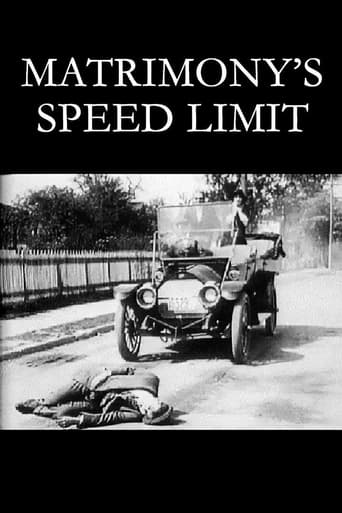
- Appeared in 'Matrimony's Speed Limit' (1913)
- Appeared in 'A House Divided' (1913)
- Worked during the early silent film era
Best Known For
Must-See Films
Working Relationships
Studios
Why They Matter
Impact on Culture
Fraunie Fraunholz represents the countless working actors who formed the backbone of early American cinema during its formative years. While not a major star, performers like Fraunholz were essential to the rapid expansion of the film industry in the early 1910s, helping establish the conventions of silent film acting and storytelling. His work in 1913 places him during a pivotal year when American cinema was transitioning from simple actualities to more complex narrative films, and actors like him contributed to this artistic evolution through their performances in numerous short films.
Lasting Legacy
Fraunholz's legacy is that of a typical working actor from cinema's earliest days, representing the thousands of performers who contributed to the development of film as an art form and industry. While his name is not widely remembered today, his participation in early films like 'Matrimony's Speed Limit' and 'A House Divided' makes him part of the foundation upon which Hollywood was built. These early actors paved the way for the star system that would emerge in later years.
Who They Inspired
As a character actor from the very early silent era, Fraunholz's direct influence on later performers is difficult to trace, but he was part of the generation that established acting techniques for the medium of film. The physical and expressive style developed by actors of his era influenced subsequent generations of silent film stars who would refine and build upon these foundational techniques.
Off Screen
Very little is documented about Fraunie Fraunholz's personal life, which was common for many early silent film actors who did not achieve lasting fame. Like many performers of his era, personal details were not extensively recorded in film industry publications of the time.
Did You Know?
- Appeared in films during 1913, a pivotal year in early American cinema development
- Worked during the transition period when films were evolving from simple actualities to narrative storytelling
- Like many early film actors, likely came from a stage or vaudeville background
- Participated in the short film format that dominated American cinema before feature-length films became common
- His filmography represents the typical brief career span of many early silent film contract players
- Appeared in comedies, which were among the most popular film genres of the early 1910s
Frequently Asked Questions
Who was Fraunie Fraunholz?
American with credits in this catalog. He appeared in short films during a pivotal period when American cinema was establishing its artistic foundations and developing from simple actualities to complex narrative storytelling.
What films is Fraunie Fraunholz best known for?
Titles linked here include Matrimony's Speed Limit (1913), A House Divided (1913).
When was Fraunie Fraunholz born and when did he die?
Specific birth and death dates for Fraunie Fraunholz are not documented in available historical records, which was common for many early silent film actors who did not achieve lasting fame. He was active as an actor in 1913.
What awards did Fraunie Fraunholz win?
There are no documented awards or honors for Fraunie Fraunholz, which was typical for most working actors of the early silent film era. The major film awards and recognition systems were not established during his brief career in 1913.
What was Fraunie Fraunholz's acting style?
Like most actors of the early 1910s, Fraunholz likely employed broad physical gestures and exaggerated facial expressions typical of silent film acting. This style was influenced by stage traditions and necessary for conveying emotion and story without spoken dialogue in the early cinema format.