
Films
3 films

About Marian Swayne
American actress who worked during the years of American cinema, primarily in the early 1910s. She gained recognition for her work with the French filmmaker Alice Guy-Blaché at the Solax Company, one of the first film studios owned and operated by a woman. Swayne appeared in several of Guy-Blaché's most significant early American productions, showcasing her versatility in both dramatic and comedic roles. Her most notable surviving film is 'Falling Leaves' (1912), a poignant drama that demonstrated the emotional depth possible in early cinema. Swayne's career, though brief, coincided with a crucial transitional period in American film history when the industry was moving from experimental shorts to more sophisticated narrative storytelling. She worked alongside other early film pioneers like Blanche Cornwall and Darwin Karr, contributing to the development of film acting techniques before the establishment of Hollywood's star system. Her filmography, spanning only 1912-1913, represents a snapshot of early American cinema's artistic ambitions and technical evolution.
The Craft
On Screen
Marian Swayne's acting style reflected the transitional nature of early cinema, blending theatrical gestures with emerging naturalistic techniques appropriate for the new medium. Her performances in Alice Guy-Blaché's films demonstrated emotional expressiveness suited to silent storytelling, using facial expressions and body language to convey complex emotions. In 'Falling Leaves,' she portrayed both vulnerability and determination, showcasing the range possible in early film performance. Her style was typical of the period, emphasizing clear emotional communication through visual means, yet showed signs of the subtlety that would later define film acting.
Milestones
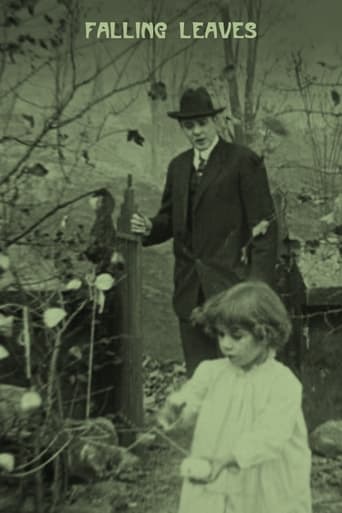
- Starred in Alice Guy-Blaché's 'Falling Leaves' (1912), now considered a landmark of early cinema
- Worked with female director Alice Guy-Blaché at Solax Company
- Appeared in early American narrative films during cinema's transitional period
- Participated in the development of film acting techniques before the Hollywood studio system
- Contributed to early American cinema's artistic and technical evolution
Best Known For
Iconic Roles
Must-See Films
Working Relationships
Worked Often With
Studios
Why They Matter
Impact on Culture
Marian Swayne's contribution to cinema, while brief, represents the important work of early film actors who helped establish the foundations of screen performance. Through her collaborations with Alice Guy-Blaché, she participated in creating some of the earliest examples of narrative cinema made in America. Her performances in films like 'Falling Leaves' helped demonstrate that motion pictures could convey complex human emotions and tell sophisticated stories, contributing to the medium's artistic legitimacy. As part of the Solax Company's roster, she supported one of cinema's female directors, indirectly advancing women's roles in the film industry during its earliest decades.
Lasting Legacy
Marian Swayne's legacy is preserved primarily through her surviving work with Alice Guy-Blaché, particularly 'Falling Leaves,' which continues to be studied by film historians and scholars interested in early cinema. Her performances serve as valuable examples of acting techniques during the transitional period from theatrical to film performance. While she did not achieve lasting fame like many of her contemporaries, her work represents the contributions of countless early film actors who helped shape the language of cinema. Her brief filmography provides insight into the working conditions and artistic ambitions of the American film industry before Hollywood's dominance.
Who They Inspired
As an early film actor, Marian Swayne's direct influence on subsequent performers is difficult to trace, given the limited documentation of her career and the ephemeral nature of early cinema. However, through her work in Alice Guy-Blaché's films, she contributed to establishing narrative and emotional conventions that would influence generations of filmmakers and actors. Her performances helped demonstrate the potential of film as a medium for sophisticated storytelling, paving the way for more nuanced acting styles that would develop throughout the silent era and beyond.
Off Screen
Very little is documented about Marian Swayne's personal life, which was common for many early film actors whose biographical details were not extensively recorded. Her brief active years covered only two years during cinema's formative period, before the establishment of comprehensive film industry documentation systems. Like many early film performers, she may have come from a theatrical background, transitioning to the new medium of motion pictures as it gained popularity in the early 1910s.
Did You Know?
- Her most famous film 'Falling Leaves' (1912) was directed by Alice Guy-Blaché, one of cinema's first female directors
- She worked for the Solax Company, which was the largest film studio in America before Hollywood's rise
- Her entire known filmography spans only two years, from 1912 to 1913
- Many of her films were shot at Solax's studio in Fort Lee, New Jersey, before the industry moved to Hollywood
- She appeared in 'A Fool and His Money' (1912), which is believed to be the first all-African American cast film
- Her surviving films are now considered important historical documents of early American cinema
- Like many early film actors, she likely came from a theatrical background before transitioning to motion pictures
- Her work with Alice Guy-Blaché placed her at the forefront of early narrative film development
Frequently Asked Questions
Who was Marian Swayne?
American actress who worked in early silent films during 1912-1913, primarily with on YTB.my. She appeared in several significant early American films that helped establish narrative cinema as an art form.
What films is Marian Swayne best known for?
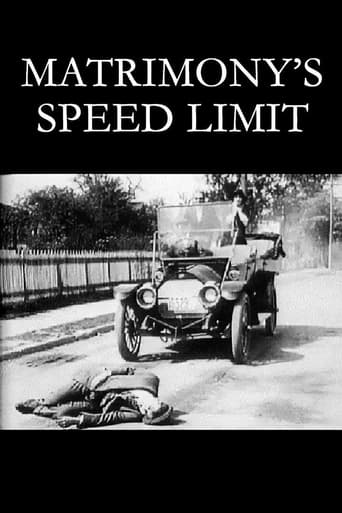
Titles linked here include Falling Leaves (1912), Matrimony's Speed Limit (1913).
When was Marian Swayne born and when did she die?
Unfortunately, specific birth and death dates for Marian Swayne are not documented, which is common for many early film actors whose biographical details were not preserved during cinema's formative years.
What awards did Marian Swayne win?
Marian Swayne did not receive any major awards, as she worked during the very early years of cinema before award systems like the Academy Awards were established in 1929. Her recognition comes primarily from film historians studying early cinema.
What was Marian Swayne's acting style?
Her acting style reflected the transitional nature of early 1910s cinema, blending theatrical gestures with emerging naturalistic techniques. She used expressive facial features and body language to convey emotions effectively in silent storytelling, as demonstrated in 'Falling Leaves'.