Films
2 films
About Jerzy Leszczyński
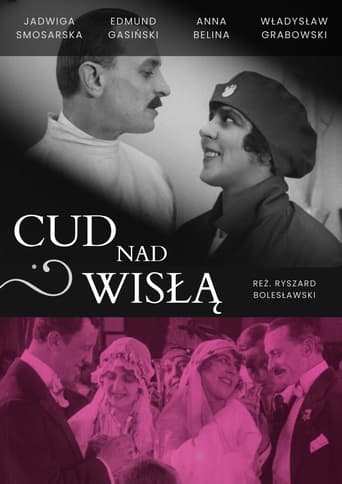
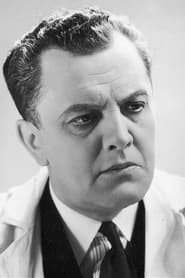
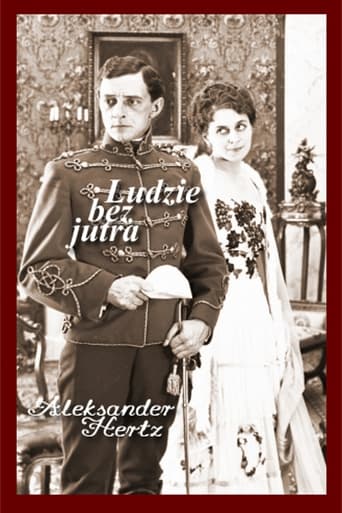
Polish actor who briefly appeared during the silent film era of the early 1920s. His entire known filmography consists of just two films from 1921, both significant works in early Polish cinema. Jerzy appears in 'The Miracle at the Vistula' (Cud nad Wisłą), a historical war film depicting the crucial Battle of Warsaw in 1920, and 'Ludzie bez jutra' (People Without Tomorrow), a drama that reflected the social conditions of post-World War I Poland. Like many actors of the early Polish film industry, Leszczyński's career was likely impacted by the challenging economic conditions and the nascent state of the Polish film industry following the country's regained independence in 1918. His performances, while preserved in these important early Polish films, represent a brief but valuable contribution to the documentation of Poland's cinematic heritage during its formative years. The fact that both films survive is remarkable, given that many Polish silent films from this period have been lost to time.
The Craft
On Screen
As a silent film actor in early Polish cinema, Leszczyński would have employed the exaggerated gestures and facial expressions typical of the era, using physical performance to convey emotion and narrative in the absence of synchronized sound.
Milestones
- Appeared in 'The Miracle at the Vistula' (1921)
- Starred in 'Ludzie bez jutra' (1921)
- Contributed to early Polish silent cinema
Best Known For
Must-See Films
Why They Matter
Impact on Culture
Jerzy Leszczyński's contribution to cinema, while brief, is part of the foundation of Polish film history. His participation in 'The Miracle at the Vistula' is particularly significant as this film represents one of the earliest cinematic depictions of the Battle of Warsaw, a pivotal moment in Polish history that secured the country's independence. The film itself serves as both entertainment and historical documentation, capturing the national consciousness of Poland in the aftermath of its struggle for sovereignty. Similarly, 'Ludzie bez jutra' reflects the social realities and artistic sensibilities of post-war Poland. Though Leszczyński's individual impact may be difficult to trace due to limited documentation, his work contributes to our understanding of early Polish cinematic art and the actors who helped establish it during challenging times.
Lasting Legacy
Jerzy Leszczyński's legacy is preserved through his participation in two surviving films from 1921 that represent important milestones in Polish cinema history. These films serve as valuable cultural artifacts that document both the artistic achievements and social concerns of Poland during its early years of independence. While Leszczyński himself may not be widely remembered by name, his contribution to these films helps maintain the continuity of Polish film history and provides insight into the early actors who shaped the nation's cinematic tradition. The survival of these films ensures that even brief careers like Leszczyński's remain part of the historical record, allowing future generations to study and appreciate the foundations of Polish cinema.
Who They Inspired
Given the brevity of Jerzy Leszczyński's documented career and the limited information available about his work, it's difficult to trace specific influences he may have had on subsequent Polish actors. However, like all early film performers, he would have been part of the generation that helped establish acting conventions for Polish cinema, transitioning theatrical techniques to the new medium of film. His participation in historically significant films means he contributed to the visual language that would influence later Polish filmmakers and actors, even if his direct influence cannot be specifically documented.
Off Screen
Very little is documented about Jerzy Leszczyński's personal life, which is not uncommon for actors from early Polish cinema whose careers were brief and occurred during a period of limited film industry documentation.
Did You Know?
- Jerzy Leszczyński's entire known film active years covered only one year - 1921
- Both films he appeared in were significant works in early Polish cinema
- 'The Miracle at the Vistula' was one of the first films to depict the crucial 1920 Battle of Warsaw
- The survival of both films is remarkable, as many Polish silent films from this era have been lost
- His career coincided with the very beginning of Poland's independent film industry after regaining sovereignty in 1918
- Like many early Polish actors, detailed biographical information about him is scarce
- Both films he appeared in were silent productions, typical of the era before synchronized sound technology
- The films reflect the national and social themes prevalent in early Polish cinema
Frequently Asked Questions
Who was Jerzy Leszczyński?
Screen credits include two films in 1921, both significant works in early Polish cinema history. His career was brief but contributed to the foundation of Polish filmmaking during the country's early years of independence.
What films is Jerzy Leszczyński best known for?
Titles linked here include The Miracle at the Vistula (1921), Ludzie bez jutra (1921).
When was Jerzy Leszczyński active in film?
Jerzy Leszczyński's entire documented film career was in 1921, making him a very brief contributor to early Polish cinema. This was during the formative years of Poland's independent film industry following the country's regained sovereignty.
What was the significance of the films Jerzy Leszczyński appeared in?
The films he appeared in were culturally and historically significant - 'The Miracle at the Vistula' depicted a crucial battle in Polish history, while both films serve as important artifacts documenting early Polish cinematic art and national consciousness.
Why is little known about Jerzy Leszczyński's personal life?
The scarcity of personal information about Jerzy Leszczyński is typical for actors from early Polish cinema, as documentation was limited during this period and many careers were brief. The challenging economic conditions and nascent state of the Polish film industry also contributed to limited record-keeping.