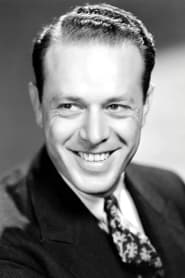
Harvey Stephens
Actor
Born: August 21, 1901 in Los Angeles, California, USA Died: December 10, 1986 Active: 1931-1959
Films
2 films
About Harvey Stephens
Prolific American character actor: over three decades during Hollywood's Golden Age. Born in Los Angeles in 1901, he began his film career in the early 1930s and quickly established himself as a reliable supporting player in both leading and minor studios. Stephens possessed a commanding presence and distinctive voice that made him particularly effective in roles as authority figures, military officers, and occasionally as antagonists. Throughout his career, he appeared in more than 100 films and television programs, working with many of Hollywood's biggest stars including Carole Lombard, Fred MacMurray, and Vincent Price. His versatility allowed him to transition seamlessly from drama to comedy to film noir, often playing judges, doctors, police chiefs, and military officials. Stephens continued working regularly through the 1940s and 1950s, appearing in notable films such as 'The Caine Mutiny' and 'The Big Clock.' His career gradually wound down in the late 1950s, with his final film appearance being in the horror classic 'The Bat' (1959). He spent his retirement years in Southern California until his death in 1986 at the age of 85.
The Craft
On Screen
Harvey Stephens was known for his authoritative presence and clear, resonant voice that made him particularly effective in roles of authority. He brought a naturalistic, understated quality to his performances, whether playing stern military officers, concerned doctors, or suspicious police chiefs. His acting style was grounded and realistic, avoiding theatrical mannerisms while maintaining strong screen presence. Stephens had the ability to convey both gravitas and vulnerability, making his characters memorable even in limited screen time. He excelled at delivering exposition naturally and could switch between comedy and drama with equal facility.
Milestones
- Film debut in 'The Secret Six' (1931)
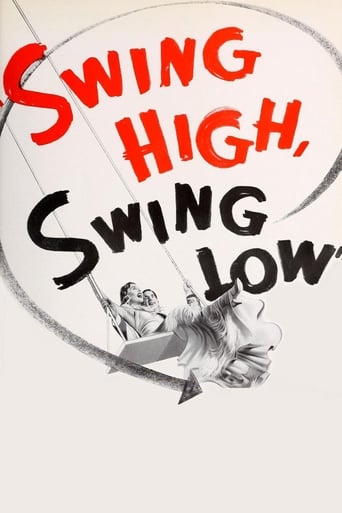
- Notable supporting role in 'Swing High, Swing Low' (1937)
- Appeared in 'The Story of Vernon and Irene Castle' (1939)
- Featured in film noir 'The Big Clock' (1948)
- Supporting role in 'The Caine Mutiny' (1954)
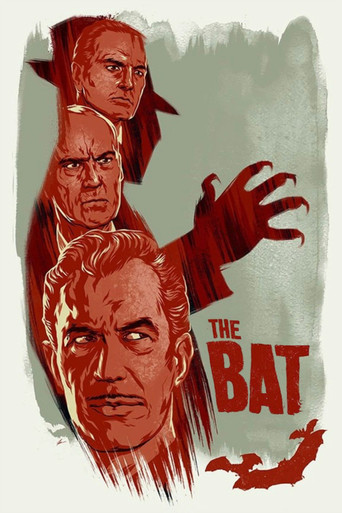
- Final film appearance in 'The Bat' (1959)
Best Known For
Iconic Roles
Must-See Films
Working Relationships
Worked Often With
Studios
Why They Matter
Impact on Culture
Harvey Stephens contributed significantly to the fabric of Golden Age Hollywood as one of the industry's most reliable character actors. While never achieving stardom, his consistent presence in hundreds of films helped maintain the quality and authenticity of Hollywood productions during its golden era. His ability to convincingly portray authority figures and professionals added depth and credibility to countless films across multiple genres. Stephens represented the backbone of the studio system - the talented supporting actors who made leading performances shine and provided the essential framework for classic American cinema. His work in film noir particularly helped establish the genre's distinctive atmosphere of tension and moral ambiguity.
Lasting Legacy
Harvey Stephens' legacy lies in his extensive body of work that continues to be appreciated by classic film enthusiasts and cinema historians. His performances serve as excellent examples of the character actor's craft during Hollywood's Golden Age, demonstrating how supporting roles could elevate the quality of any production. Film scholars often cite his work when discussing the importance of reliable character actors in maintaining the studio system's output quality. His appearances in now-classic films ensure that his work continues to be seen by new generations of film lovers. Stephens represents the thousands of talented actors who formed the foundation of Hollywood's golden era, whose contributions, while not always celebrated in their time, remain integral to cinema history.
Who They Inspired
While Harvey Stephens was not known for mentoring other actors directly, his professional approach and consistent performances set an example for character actors who followed. His ability to create memorable characters with limited screen time influenced how supporting roles would be approached in subsequent decades. Many contemporary character actors studying classic Hollywood performances look to Stephens' work as a model of efficiency and effectiveness in supporting roles. His naturalistic style helped pave the way for more realistic acting in Hollywood films, moving away from the more theatrical styles of earlier cinema.
Off Screen
Harvey Stephens maintained a relatively private personal life away from the Hollywood spotlight. He was married to actress and fellow performer Lucille Webster, with whom he had two children. The family resided in the Los Angeles area throughout his career. Stephens was known among his colleagues as a reliable and professional actor who took his craft seriously but never sought celebrity status. After retiring from acting in the late 1950s, he devoted his time to his family and personal interests. He spent his final years in Laguna Hills, California, where he passed away peacefully at the age of 85.
Education
Educational background not extensively documented in public records
Family
- Lucille Webster (married 1930s-1986)
Did You Know?
- Appeared in over 100 films during his 28-year career
- Often played military officers due to his tall stature and authoritative bearing
- Was a reliable contract player for multiple major studios during the studio system era
- His final film 'The Bat' (1959) has become a cult classic among horror film enthusiasts
- Never received top billing but was consistently employed throughout his career
- Worked with many of Hollywood's biggest stars including Cary Grant, Barbara Stanwyck, and Humphrey Bogart
- His distinctive voice made him popular for radio work during the 1940s
- Was known for his professionalism and reliability on set, rarely missing filming days
- Appeared in both A-list productions and B-movies, showing his versatility
- His active years covered the transition from the pre-Code era through the Golden Age of Hollywood
In Their Own Words
As a character actor, I've learned that sometimes the smallest roles leave the biggest impressions
In Hollywood, reliability is as valuable as talent, and I've always tried to be both
Playing authority figures isn't about being loud, it's about being believable
The secret to a long career in pictures is simple: show up, know your lines, and don't cause trouble
Frequently Asked Questions
Who was Harvey Stephens?
Screen credits include over 100 films during Hollywood's Golden Age from 1931 to 1959. He was known for playing authority figures, military officers, and professional roles in both major studio productions and B-movies.
What films is Harvey Stephens best known for?
Titles linked here include Swing High, Swing Low (1937), The Story of Vernon and Irene Castle (1939).
When was Harvey Stephens born and when did he die?
Born August 21, 1901; died December 10, 1986.
What awards did Harvey Stephens win?
Despite his extensive film career, Harvey Stephens did not receive major awards or nominations. His contributions were recognized through consistent employment and respect from his colleagues in the film industry.
What was Harvey Stephens' acting style?
Harvey Stephens was known for his naturalistic, understated acting style with an authoritative presence and distinctive voice. He excelled at creating believable characters in supporting roles, particularly as authority figures, using a grounded approach that added authenticity to his performances.