



Swing High, Swing Low
"Murphy's Cafe y Bar"
Keys: Space play/pause · ←/→ 10s · F fullscreen · M mute · </> speed
About this film
Working her way as a hairdresser on board a liner traveling through the Panama Canal Zone, Maggie King brushes off a brash young soldier, "Skid" Johnson, on his last day in the Army. However, he is persistent, and the next day she and her friend Ella reluctantly go on a double date with him and his piano player friend Harry in Balboa. In a nightclub, she expresses her distaste of trumpet music, whereupon he impresses her with his amazing prowess with the instrument.
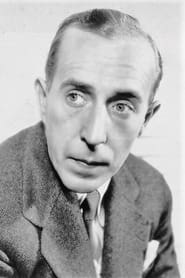
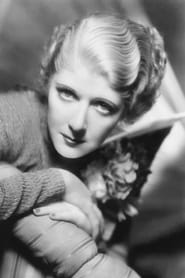
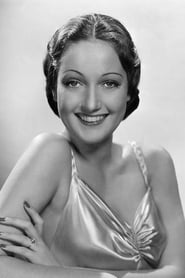
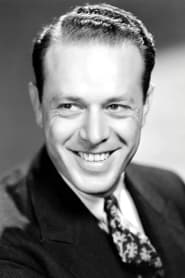
Cast & crew
More films like this
More Drama films
View all →







More about this film
About the production
Release dateMarch 26, 1937
ProductionParamount Pictures
Filmed inParamount Studios, Hollywood, California, Studio backlot representing Panama
The film was based on the Broadway play 'Burlesque' by George Manker Watters and Arthur Hopkins, which had previously been adapted as 'The Dance of Life' (1930). The Panama setting was largely recreated on elaborate studio sets, with some location photography possibly done at the Panama Canal Zone. The production featured several musical sequences with choreography by LeRoy Prinz. The trumpet performances were professionally dubbed, though Fred MacMurray learned basic trumpet fingering for authenticity.
Themes
The corrupting influence of fame and fortuneRedemption through loveArtistic integrity vs. commercial successThe price of ambitionTrue love vs. material wealth
Themes & topics
Panama Canal Zonetrumpet playernightclub performerfallen idolromantic trianglemusical dramarise and fallredemptionart vs. commerceshow business
Historical background
Swing High, Swing Low (1937) emerged during the studio era and wartime cinema. Working her way as a hairdresser on board a liner traveling through the Panama Canal Zone, Maggie King brushes off a brash young soldier, "Skid" Johnson, on his last day in the Army. Archival records and catalog entries help place the work within film-history surveys of the period.
Why this film matters
Preserved under Wikidata ID Q2043516, Swing High, Swing Low is valued as a comedy within catalog and archive collections. Wikipedia's "Swing High, Swing Low (film)" entry connect it to broader histories of cinema exhibition and restoration.
Making of
The production faced several challenges typical of early musical films, particularly in integrating musical numbers naturally into the dramatic narrative. Director Mitchell Leisen, with his background in art direction, paid meticulous attention to the visual composition of both dramatic and musical sequences. Carole Lombard, known primarily for her screwball comedy work, had to stretch her dramatic acting abilities while also performing in musical numbers. The studio invested heavily in elaborate sets to recreate the Panama atmosphere, including detailed nightclub scenes that served as showcases for the musical performances. Fred MacMurray underwent extensive preparation for his role as a trumpet player, though the actual performances were dubbed by professional musicians. The film's production schedule was relatively tight, as Paramount wanted to capitalize on the chemistry between Lombard and MacMurray from their previous successful collaboration.
What critics said
Trade and archival sources offer limited day-one review coverage for Swing High, Swing Low. Modern reception rests on its availability in collections, repertory screenings, and reference works that document 1937 cinema.
Did you know?
- This was the second of four films that Carole Lombard and Fred MacMurray made together, following 'Hands Across the Table' (1935)
- The film is a musical remake of 'The Dance of Life' (1930), which was also based on the same play 'Burlesque'
- Carole Lombard reportedly disliked making musicals but agreed to star in this film because she liked the story and wanted to work with MacMurray again
- The original Broadway play 'Burlesque' was a major hit and ran for 403 performances from 1927-1928
- The film was originally going to be titled 'The Trumpet Blows' before being changed to 'Swing High, Swing Low'
- Fred MacMurray's trumpet playing was actually performed by professional musicians including Manny Klein
- The film's success helped establish Fred MacMurray as a reliable leading man in both dramatic and comedic roles
- Dorothy Lamour was reportedly considered for a supporting role but ultimately did not appear in the film
- The Panama Canal Zone setting was particularly relevant to 1937 audiences as the canal was a major strategic and economic asset
- The film featured several popular songs of the era including 'I've Got My Love to Keep Me Warm' by Irving Berlin
- Mitchell Leisen was primarily known as an art director before becoming a director, giving the film its distinctive visual style
Visual style
The cinematography by Theodor Sparkuhl employed sophisticated lighting techniques typical of Paramount's house style, creating atmospheric effects that enhanced both the romantic and dramatic elements of the story. The nightclub scenes featured dramatic low-key lighting and deep shadows that prefigured film noir techniques, while the Panama exteriors used high-key lighting to create an exotic, tropical atmosphere. The camera work during musical sequences was notably fluid, using tracking shots and crane movements that added dynamism to the performance scenes. The film's visual style balanced the glamour of Hollywood musical production with realistic touches that grounded the story in emotional authenticity. Sparkuhl's lighting of Lombard particularly emphasized her beauty while also capturing the subtle emotional shifts in her dramatic performance.
Innovations
While not groundbreaking in technical innovation, the film demonstrated advanced techniques in sound recording for musical sequences, achieving clear separation between dialogue and musical elements. The production utilized sophisticated microphone placement and mixing techniques to ensure that the dubbed trumpet performances matched MacMurray's on-screen movements convincingly. The film's sound design effectively used ambient noise in the Panama sequences to create a sense of place, while the nightclub scenes featured layered audio that captured the atmosphere of live musical performance. The technical team also employed early techniques for synchronizing prerecorded music with live action, creating seamless transitions between dialogue and musical numbers. The film's special effects, particularly in creating the Panama Canal setting, used matte paintings and miniature work that were advanced for their time.
Music
The film's musical score was composed by Frederick Hollander and John Leipold, with several popular songs of the era featured prominently. Notable musical numbers include 'I've Got My Love to Keep Me Warm' by Irving Berlin, 'Remember Me?' by Jerome Kern and Dorothy Fields, and 'The Lady in Red' by Mort Dixon and Allie Wrubel. The trumpet performances, though dubbed for MacMurray, were expertly performed by professional studio musicians and integrated into the narrative as extensions of Skid's character development. The soundtrack effectively used diegetic music (music within the story) to advance the plot and reveal character motivations, representing the sophisticated approach to film music that was emerging in the late 1930s. The musical arrangements balanced jazz elements popular in the late 1930s with more traditional Hollywood orchestration.
Famous quotes
Skid Johnson: 'When you're hot, you're hot. And when you're not, you're not.'
Maggie King: 'Love isn't something you can buy in a department store, darling. It's got to be earned.'
Harry: 'Every trumpet player thinks he's the next Louis Armstrong until reality hits him in the face.'
Maggie King: 'I'd rather have you poor and loving me than rich and forgetting I exist.'
Skid Johnson: 'Music was everything to me before... now it's just a way to make money.'
Memorable scenes
- The opening sequence where Maggie and Skid meet in Panama and their chemistry is immediately established through witty banter and reluctant attraction
- The nightclub brawl that leads to Maggie missing her ship, showcasing the film's blend of comedy and dramatic consequences
- Skid's first trumpet performance at the club, where his raw talent is discovered and his journey to stardom begins
- The emotional confrontation scene where Maggie confronts Skid about his changed personality and lost values
- The final redemption scene where Skid, having lost everything, performs one last time to win back Maggie's love
What audiences thought
The film was a moderate commercial success, benefiting from the popularity of its stars and the public's appetite for musical entertainment during the Depression era. Audiences particularly responded to the on-screen chemistry between Carole Lombard and Fred MacMurray, which had been established in their previous collaboration. The musical numbers were well-received, with several songs from the soundtrack gaining popularity on radio. While not as big a hit as some of Lombard's screwball comedies, the film found appreciative audiences who enjoyed its blend of romance, music, and drama. The Panama setting and nightclub scenes provided exotic escapism that appealed to viewers seeking temporary relief from Depression-era hardships. The film's themes of redemption and true love prevailing over corruption resonated with audiences seeking moral certainty in uncertain times.
Film connections
Influenced by
- The Dance of Life (1930)
- Burlesque (Broadway play)
- 42nd Street (1933)
- Gold Diggers of 1935
- Top Hat (1935)
This film influenced
- Some Like It Hot (1959)
- The Music Man (1962)
- The Rose (1979)
- A Star Is Born (1954 version)
- The Jazz Singer (1952 version)
Film restoration
The film is preserved in the Paramount Pictures archives and has been made available through various home media releases. A 35mm print is held by the Library of Congress, and the film has been digitally restored for modern viewing platforms. The restoration work has preserved both the visual and audio elements, ensuring that the musical numbers remain clear and impactful. The film is considered to be in good preservation condition with no significant lost footage or damage.
Where to watch
- Available on DVD through Universal Studios Home Entertainment
- Streaming on various classic film platforms including The Criterion Channel occasionally
- Available for digital purchase on Amazon Prime Video and Apple TV
- Occasionally airs on Turner Classic Movies
- Available through some library streaming services specializing in classic films