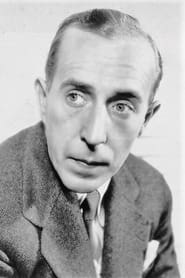
Charles Butterworth
Actor
Born: July 26, 1896 in South Bend, Indiana, USA Died: June 14, 1946 Active: 1929-1946
Films
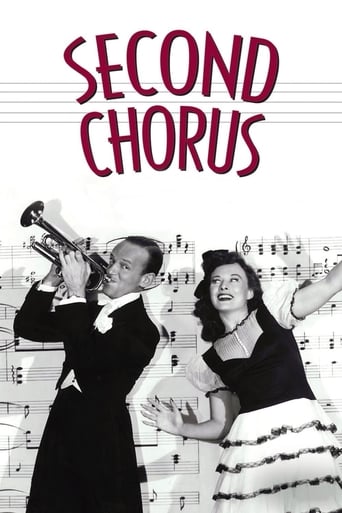
3 films
About Charles Butterworth
American character actor: career flourished during the Golden Age of Hollywood, particularly in the 1930s. Born in South Bend, Indiana, he began his career on Broadway before transitioning to films, where he developed a unique persona as the sophisticated, dry-witted gentleman. Butterworth's breakthrough came with his role in the Marx Brothers film 'Animal Crackers' (1930), which established his signature style of understated comedy and deadpan delivery. Throughout the 1930s, he became a highly sought-after supporting actor, appearing in over 40 films and working with major studios including MGM and Paramount. His distinctive voice and impeccable timing made him a favorite in musical comedies and romantic dramas, often playing the witty best friend or romantic rival. Despite never achieving leading man status, Butterworth's memorable performances on Hollywood comedy, influencing generations of character actors. His career was tragically cut short when he died in a car accident at age 49, leaving behind a legacy of sophisticated humor and memorable comic performances.
The Craft
On Screen
Butterworth was renowned for his distinctive dry wit and deadpan delivery, often portraying sophisticated, slightly befuddled gentlemen with impeccable comic timing. His style was characterized by a slow, deliberate speaking pattern, perfectly timed pauses, and an ability to deliver witty lines with a completely straight face. He excelled at playing the 'other man' in romantic comedies, bringing depth and humor to what could have been one-dimensional characters. His physical comedy was subtle, relying more on facial expressions and understated gestures than slapstick, making him a master of sophisticated verbal humor.
Milestones
- Broadway debut in 'The Little Show' (1929)
- Film debut in 'The Life of the Party' (1930)
- Breakthrough role in 'Animal Crackers' (1930)
- Memorable performance in 'The Merry Widow' (1934)
- Starring role in 'Love Me Tonight' (1932)
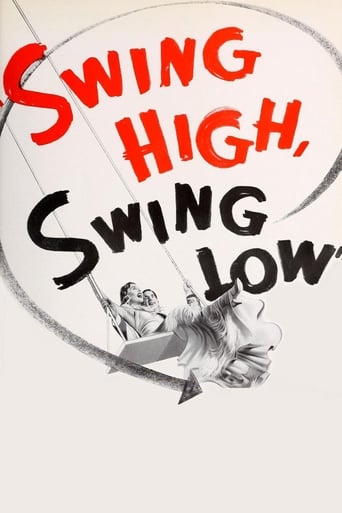
- Critical acclaim for 'Swing High, Swing Low' (1937)
- Final film appearance in 'The Great Morgan' (1946)
Best Known For
Iconic Roles
Must-See Films
Accolades
Special Recognition
- Hollywood Walk of Fame Star (located at 6233 Hollywood Boulevard)
Working Relationships
Worked Often With
Studios
Why They Matter
Impact on Culture
Charles Butterworth significantly influenced the development of sophisticated comedy in American cinema, particularly during the transition from silent films to talkies. His unique style of deadpan delivery provided a template for countless character actors who followed, demonstrating that comedy could be subtle and intelligent rather than purely physical. His work helped establish the archetype of the witty, sophisticated supporting character that became a staple of 1930s and 1940s Hollywood films. Butterworth's performances in musicals like 'The Merry Widow' and 'Love Me Tonight' helped define the genre's approach to comic relief, showing how humor could enhance rather than detract from romantic narratives.
Lasting Legacy
Charles Butterworth's legacy endures through his memorable performances that continue to be celebrated by film historians and classic cinema enthusiasts. His influence can be seen in the work of later comedians who mastered the art of understated humor, including performers like Bob Newhart and Bill Murray. Film scholars frequently cite Butterworth as an example of how supporting actors can steal scenes and elevate entire films through carefully crafted performances. His star on the Hollywood Walk of Fame serves as a permanent reminder of his contributions to American cinema, while his films remain popular in revival theaters and on classic movie channels.
Who They Inspired
Butterworth's distinctive comedic style directly influenced generations of character actors who specialized in dry wit and sophisticated humor. His technique of delivering witty lines with a completely straight face became a staple of American comedy, influencing performers from Jack Benny to modern comedians like Steven Wright. His ability to create memorable characters with minimal dialogue and subtle gestures demonstrated the power of restraint in comedy, a lesson that continues to influence actors and directors today. Many Hollywood comedians of the 1940s and 1950s cited Butterworth as an inspiration for their own approach to subtle, intelligent humor.
Off Screen
Charles Butterworth remained a bachelor throughout his life, dedicating himself primarily to his career in entertainment. He was known as a private individual who rarely discussed his personal life in interviews. Friends and colleagues described him as a gentle, intelligent man off-screen who was passionate about literature and classical music. He maintained close friendships with several Hollywood contemporaries, including the Marx Brothers, with whom he worked multiple times. His sudden death in a car accident on Hollywood Boulevard shocked the film industry and cut short a promising career that was still evolving.
Education
Attended the University of Notre Dame before leaving to pursue a career in entertainment
Did You Know?
- Died in a car accident on Hollywood Boulevard when his car crashed into a tree
- Was originally a journalist before turning to acting
- His distinctive speaking style was often imitated but never duplicated
- Appeared in three films with the Marx Brothers
- Was a close friend of fellow character actor Edward Everett Horton
- Never received an Academy Award nomination despite many memorable performances
- His final film 'The Great Morgan' was released posthumously
- Was known for his extensive collection of rare books and classical music recordings
- Often played characters named 'Charlie' in his films
- His screen persona was so distinctive that he was rarely cast against type
In Their Own Words
"I'm not a comic. I'm an actor who plays comic roles." - Butterworth on his craft
"The secret to comedy is timing. The secret to timing is knowing when not to speak." - Acting advice he often gave
"In comedy, the straight face is more powerful than the laugh." - On his deadpan style
"I'd rather be remembered for one perfect line than a dozen mediocre performances." - On his approach to acting
Frequently Asked Questions
Who was Charles Butterworth?
American character with credits in this catalog. He specialized in playing sophisticated, witty gentlemen in comedies and musicals from 1929 until his death in 1946.
What films is Charles Butterworth best known for?
Titles linked here include Animal Crackers (1930), Love Me Tonight (1932).
When was Charles Butterworth born and when did he die?
Born July 26, 1896; died June 14, 1946.
What awards did Charles Butterworth win?
Despite his significant contributions to film comedy, Charles Butterworth never received an Academy Award nomination during his lifetime. However, he was honored with a star on the Hollywood Walk of Fame at 6233 Hollywood Boulevard, recognizing his impact on American cinema.
What was Charles Butterworth's acting style?
Butterworth was renowned for his distinctive dry wit and deadpan delivery, characterized by slow, deliberate speech patterns and perfectly timed pauses. He specialized in sophisticated verbal comedy rather than physical humor, often playing witty gentlemen with understated charm and impeccable comic timing.
How did Charles Butterworth die?
Charles Butterworth died in a tragic automobile accident on June 14, 1946, when his car crashed into a tree on Hollywood Boulevard. His sudden death at age 49 shocked the film industry and ended a career that was still actively producing memorable performances.
Did Charles Butterworth work with the Marx Brothers?
Yes, Charles Butterworth appeared in three films with the Marx Brothers, most notably 'Animal Crackers' (1930), which helped establish his reputation in Hollywood. His dry wit complemented the Marx Brothers' chaotic comedy style, making their collaborations particularly memorable.