Films
4 films
About Charles Mosnier
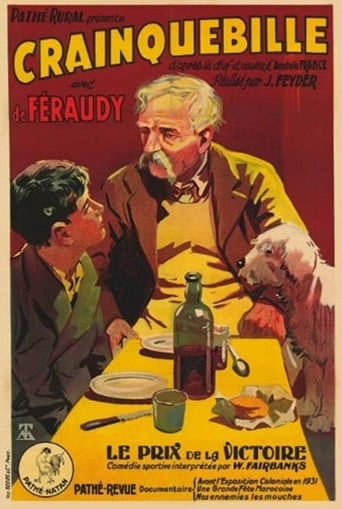
French actor who worked primarily during the silent film era of the 1910s and early 1920s. His a decade of significant growth in French cinema, appearing in both comedies and dramatic productions. Mosnier worked alongside some of the notable figures of early French cinema, though he remained primarily a supporting actor rather than a leading star. His appearance in Jacques Feyder's acclaimed 1922 adaptation of Anatole France's 'Crainquebille' represents one of his most significant surviving film credits. Like many actors of his generation, Mosnier's career was likely impacted by the transition to sound films in the late 1920s. His work, while not extensively documented, contributes to our understanding of the supporting cast that populated French silent cinema.
The Craft
On Screen
As a supporting actor in French silent films, Mosnier likely employed the exaggerated physical acting style common to the era, using expressive gestures and facial expressions to convey emotion and character in the absence of dialogue.
Milestones
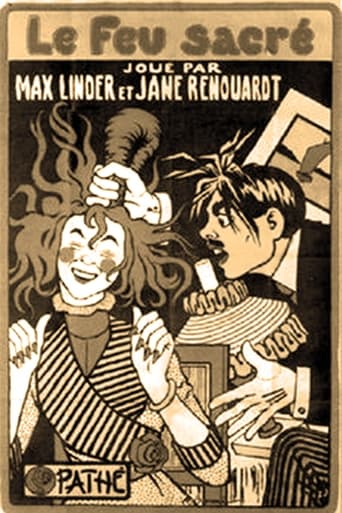
- Appeared in 'Max et Jane veulent faire du théâtre' (1912)
- Acted in Jacques Feyder's 'Crainquebille' (1922)
- Worked during the golden age of French silent cinema
Best Known For
Iconic Roles
Must-See Films
Working Relationships
Worked Often With
Why They Matter
Impact on Culture
Charles Mosnier represents the corps of supporting actors who were essential to the functioning of French silent cinema but whose individual contributions have been largely lost to history. While not a major star, his work in films like 'Crainquebille' helped bring important literary adaptations to the screen during a formative period in French film history. His career illustrates the ecosystem of working actors who populated the burgeoning French film industry of the 1910s and 1920s.
Lasting Legacy
Mosnier's legacy is primarily preserved through his surviving film appearances, particularly in 'Crainquebille,' which remains an important example of early French cinematic adaptation. Like many character actors of his era, his contributions serve as a reminder of the collaborative nature of film production and the importance of supporting performances in creating memorable cinema.
Who They Inspired
As a supporting actor from the silent era, Mosnier's direct influence on subsequent generations of performers is difficult to trace, though his work in early French adaptations helped establish patterns for character acting in French cinema that would influence later performers.
Off Screen
Very little is documented about Charles Mosnier's personal life, which was common for supporting actors of the silent era who were not considered major stars. His life off-screen remains largely unknown to film historians.
Did You Know?
- Appeared in films during the transition from early French cinema to more sophisticated productions of the 1920s
- Worked with director Jacques Feyder during an important period of French film development
- Participated in adaptations of French literary works, bringing them to silent film audiences
- His active years covered exactly one decade, from 1912 to 1922
- Like many silent era actors, his personal details remain largely undocumented
- Worked during World War I, a period that significantly impacted French film production
Frequently Asked Questions
Who was Charles Mosnier?
French supporting with credits in this catalog.
What films is Charles Mosnier best known for?
Titles linked here include Crainquebille (1922), Max et Jane veulent faire du théâtre (1912).
When was Charles Mosnier active in film?
Charles Mosnier was active in French cinema from 1912 to 1922, spanning exactly one decade during the silent film era.
What was Charles Mosnier's acting style?
As a silent film actor, Mosnier likely employed the expressive physical acting style typical of the era, using exaggerated gestures and facial expressions to convey character and emotion without dialogue.
Did Charles Mosnier work with any notable directors?
Yes, Mosnier worked with director Jacques Feyder on 'Crainquebille' (1922), which was based on a story by renowned French author Anatole France.