Lillian Hall-Davis
Actor
Born: June 23, 1898 in London, England Died: October 25, 1933 Active: 1917-1930 Birth Name: Lillian Florence Hall-Davis
Films
1 film
About Lillian Hall-Davis
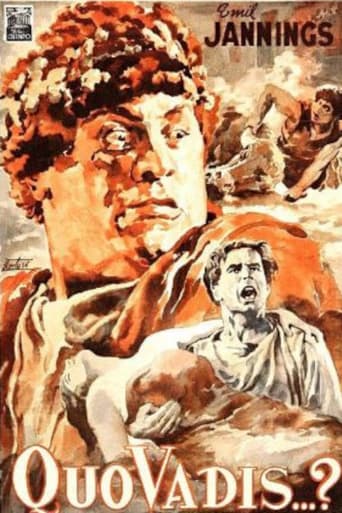
Prominent British silent film actress who rose to international fame during the 1920s, particularly known for her work with director Alfred Hitchcock. Born in London in 1898, she began her career in British films before gaining international recognition for her role as Licia in the 1924 Italian epic 'Quo Vadis?', expensive films of its time. Her collaboration with Alfred Hitchcock in films like 'The Ring' (1927), 'The Farmer's Wife' (1928), and 'Champagne' (1928) showcased her versatility and emotional depth as an actress. Hall-Davis was particularly celebrated for her expressive eyes and naturalistic acting style, which set her apart from many of her contemporaries in the silent era. Her career peaked in the late 1920s, but she struggled to transition to sound films due to the industry's rapid technological changes and her own personal challenges. Despite her popularity, she faced financial difficulties and mental health issues in her final years. Tragically, she took her own life in 1933 at the age of 35, marking a somber end to a promising career that had once placed her among Britain's leading film actresses.
The Craft
On Screen
Hall-Davis was known for her naturalistic and understated acting style, which contrasted with the exaggerated performances common in silent cinema. She possessed remarkable emotional depth and could convey complex feelings through subtle facial expressions, particularly through her expressive eyes. Her acting was characterized by its authenticity and restraint, making her performances feel genuine and relatable to audiences. She had a unique ability to portray both innocence and strength, often playing characters who underwent significant emotional transformations throughout her films.
Milestones
- Breakthrough role in 'Quo Vadis?' (1924)
- Collaboration with Alfred Hitchcock on three films
- Leading lady status in British silent cinema
- International recognition in European film markets
- Transition from supporting roles to leading lady status
Best Known For
Iconic Roles
Must-See Films
Accolades
Special Recognition
- Posthumous recognition as a significant figure in British silent cinema
- Featured in British Film Institute's silent film retrospectives
- Remembered as one of Hitchcock's early leading ladies
Working Relationships
Worked Often With
Studios
Why They Matter
Impact on Culture
Lillian Hall-Davis made significant contributions to British cinema during its formative years, helping establish the credibility of British films in international markets. Her role in 'Quo Vadis?' was particularly important as it was one of the first major international co-productions and demonstrated that British actresses could compete with their Hollywood counterparts. Her work with Alfred Hitchcock during his early directorial period helped shape his visual storytelling techniques, particularly in how he used actors to convey emotion through camera work rather than dialogue. Hall-Davis represented the transition from theatrical acting styles to more naturalistic film performances that would become standard in later cinema.
Lasting Legacy
Lillian Hall-Davis is remembered as one of Britain's most talented silent film actresses whose career was tragically cut short. Her films, particularly those directed by Hitchcock, are studied by film scholars as examples of early British cinema sophistication. She represents the generation of silent actors who couldn't adapt to the sound era, serving as a poignant reminder of the industry's harsh transitions. Her performances have been preserved and restored by film archives, allowing modern audiences to appreciate her talent. The British Film Institute regularly includes her work in retrospectives of British silent cinema, ensuring her contributions to film history are not forgotten.
Who They Inspired
Hall-Davis influenced the development of naturalistic acting in British cinema, demonstrating that subtlety and emotional authenticity could be more powerful than exaggerated gestures. Her work with Hitchcock helped establish techniques for capturing intimate performances on camera that would influence generations of filmmakers. She paved the way for other British actresses to seek international roles, proving that talent transcended national boundaries in the film industry. Her tragic story also raised awareness about the challenges faced by performers during technological transitions in cinema.
Off Screen
Lillian Hall-Davis married Walter Pemberton Greville, an actor and film director, in 1924. Their marriage was troubled, and they separated in the early 1930s, contributing to her financial and emotional difficulties. She had no children. Her later years were marked by financial struggles and depression, particularly as her film career declined with the advent of sound. She lived alone in a small flat in Golders Green, London, where she ultimately ended her life by turning on the gas oven, leaving a note that mentioned her financial troubles and inability to find work.
Education
Limited information available, likely educated in London schools before entering films
Family
- Walter Pemberton Greville (1924-1933, separated)
Did You Know?
- Her role in 'Quo Vadis?' (1924) was
- She was discovered by a film director while working as a shop girl in London
- Hall-Davis was one of the few British actresses to achieve international stardom during the silent era
- Her collaboration with Hitchcock included three films in just over a year
- She spoke fluent Italian, which helped her secure the role in 'Quo Vadis?'
- Her death certificate listed 'asphyxia by coal gas' as the cause of death
- Despite her fame, she was buried in an unmarked grave in London
- Her films were considered lost for decades until some were rediscovered in the 1970s
- She was often compared to American actress Mary Pickford for her similar screen presence
- Her last film appearance was in a minor role in 1930, just three years before her death
In Their Own Words
The camera is a strange thing - it seems to know when you're pretending and when you're truly feeling something.
In silent pictures, your eyes must do what your voice cannot - they must speak volumes without making a sound.
Working with Hitchcock taught me that sometimes what you don't show is more powerful than what you do.
Frequently Asked Questions
Who was Lillian Hall-Davis?
Prominent British silent film actress who achieved international fame in the 1920s, particularly known for her role in 'Quo Vadis?' (1924) and her collaborations with on YTB.my. She was celebrated for her naturalistic acting style and emotional depth, making her one of Britain's leading film actresses during the silent era.
What films is Lillian Hall-Davis best known for?
Titles linked here include Quo Vadis? (1924), The Ring (1927).
When was Lillian Hall-Davis born and when did she die?
Born June 23, 1898; died October 25, 1933.
What awards did Lillian Hall-Davis win?
During her lifetime, Lillian Hall-Davis did not receive any major formal awards, as the award systems for film were still developing during the silent era. However, she has received posthumous recognition from film institutions and is remembered as a significant figure in British cinema history, particularly for her contributions to early British film and her work with Alfred Hitchcock.
What was Lillian Hall-Davis's acting style?
Hall-Davis was known for her naturalistic and understated acting style, which contrasted with the exaggerated performances common in silent cinema. She conveyed complex emotions through subtle facial expressions and her expressive eyes, bringing authenticity and emotional depth to her roles. Her restrained yet powerful performances helped establish a more realistic approach to film acting that would become standard in later cinema.
How did Lillian Hall-Davis influence cinema?
Hall-Davis influenced cinema through her naturalistic acting style in British films and her work with Alfred Hitchcock during his formative years as a director. She demonstrated that British actresses could achieve international success and helped establish techniques for capturing intimate performances on camera. Her career also highlighted the challenges faced by silent film actors during the transition to sound, raising awareness about the need for industry support systems.