Films
5 films
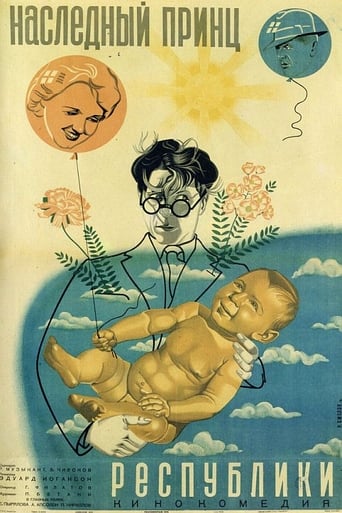
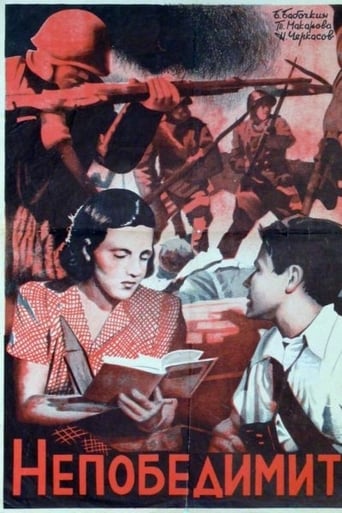
About Pyotr Kirillov
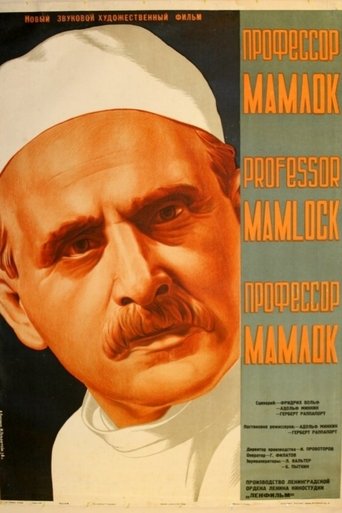
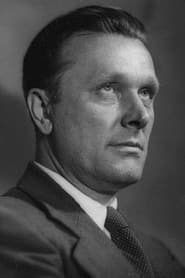
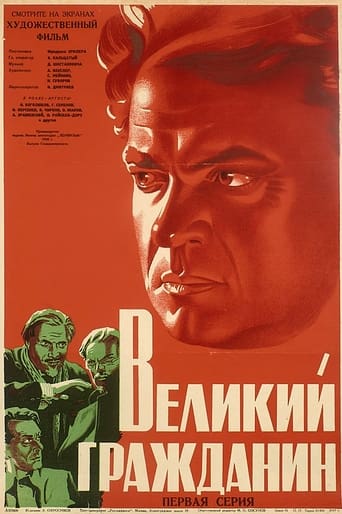
Prominent Soviet actor who rose to prominence during the Stalinist era of Soviet cinema in the 1930s and early 1940s. His career began in 1934 with his appearance in 'Crown Prince of the Republic,' quickly establishing him as a reliable character actor in the Soviet film industry. Kirillov reached the peak of his career in 1938 with memorable performances in two significant Soviet productions: 'Professor Mamlock,' an anti-fascist drama, and 'Great Citizen,' a political film about Soviet industrialization. He continued his work through the early years of World War II, appearing in 'Galya' (1940) and 'The Invincible' (1942), which were wartime propaganda films typical of the period. Kirillov was part of the generation of actors who helped define the style of Socialist Realism in cinema, characterized by clear ideological messaging and heroic portrayals of Soviet citizens. His film career appears to have ended around 1942, likely due to the disruptions caused by World War II and the changing landscape of Soviet cultural production during the conflict.
The Craft
On Screen
Kirillov's acting style was characteristic of the Socialist Realist school of performance, emphasizing clear ideological messaging and emotionally direct portrayals of Soviet characters. His performances were marked by a straightforward, earnest approach that aligned with the state-approved aesthetic of Soviet cinema during the Stalin era. He often portrayed working-class heroes, intellectuals, or military figures who embodied Soviet ideals and values.
Milestones
- Film debut in Crown Prince of the Republic (1934)
- Breakthrough role in Professor Mamlock (1938)
- Notable performance in Great Citizen (1938)
- Wartime film appearances in Galya (1940) and The Invincible (1942)
Best Known For
Iconic Roles
Must-See Films
Working Relationships
Worked Often With
Studios
Why They Matter
Impact on Culture
Pyotr Kirillov contributed to the development of Socialist Realist cinema during one of its most formative periods in the 1930s and early 1940s. His performances in films like 'Professor Mamlock' and 'Great Citizen' helped establish the visual and dramatic language of Soviet propaganda cinema, which emphasized collective action over individual achievement and portrayed Soviet society in an idealized light. These films were significant in shaping public opinion and reinforcing state ideology during the pre-war and wartime periods.
Lasting Legacy
Kirillov's legacy is preserved through his contributions to classic Soviet cinema, particularly in films that have become historical artifacts of the Stalin era. His work represents the typical actor's role in serving the cultural and political objectives of the Soviet state during a critical period in Russian history. While not as internationally recognized as some of his contemporaries, his performances in key Soviet productions of the 1930s and 1940s provide valuable insight into the artistic and political climate of the time.
Who They Inspired
Kirillov influenced subsequent generations of Soviet actors through his embodiment of the Socialist Realist acting style, which emphasized ideological clarity and emotional directness. His work in propaganda films helped establish templates for character portrayals that would be emulated in Soviet cinema for decades. His performances demonstrated how actors could effectively serve state cultural objectives while maintaining artistic integrity within the constraints of the system.
Off Screen
Limited information is available about Pyotr Kirillov's personal life, which was common for many Soviet actors of his era whose public personas were often subordinated to their roles as cultural workers serving the state.
Education
null
Family
- null
Did You Know?
- Kirillov's career coincided with the height of Stalinist cultural control in the Soviet Union
- His film 'Professor Mamlock' was one of the earliest Soviet films to directly address the threat of fascism
- 'Great Citizen' was a two-part epic film that exemplified Soviet cinematic ambitions of the 1930s
- His final film 'The Invincible' was produced during the early years of World War II
- Kirillov worked during a period when Soviet cinema was heavily state-controlled and served explicit propaganda purposes
- The films he appeared in were often shown to international audiences as examples of Soviet cultural achievements
- His active years covered the transition from pre-war Soviet cinema to wartime production
- Like many Soviet actors of his generation, he likely received formal training at state-sponsored acting institutions
In Their Own Words
null
Frequently Asked Questions
Who was Pyotr Kirillov?
Screen credits include several notable Soviet films including 'Professor Mamlock' and 'Great Citizen.' He was part of the generation of actors who helped establish Socialist Realist cinema during the Stalin era.
What films is Pyotr Kirillov best known for?
Titles linked here include Professor Mamlock (1938), Great Citizen (1938).
When was Pyotr Kirillov born and when did he die?
Born 1905; died null.
What awards did Pyotr Kirillov win?
There are no documented awards or honors specifically attributed to Pyotr Kirillov in available sources, which was common for many Soviet character actors of his era who often worked anonymously in service of state cultural objectives.
What was Pyotr Kirillov's acting style?
Kirillov's acting style was characteristic of Socialist Realism, featuring emotionally direct performances that emphasized ideological clarity and embodied Soviet ideals. His portrayals were straightforward and earnest, aligning with the state-approved aesthetic of Soviet cinema during the Stalin period.