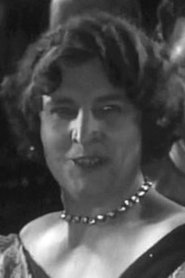
Anna Dmokhovskaya
Actor
Born: 1900 in Moscow, Russian Empire Died: null Active: 1924-1952 Birth Name: Anna Ivanovna Dmokhovskaya
Films
2 films
About Anna Dmokhovskaya
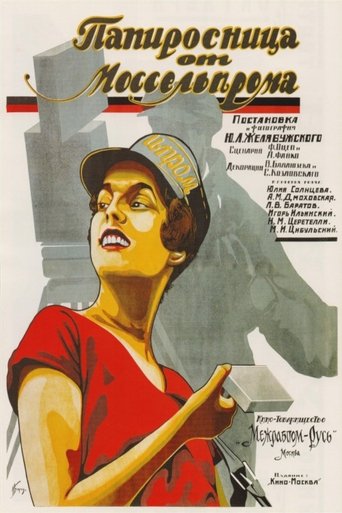
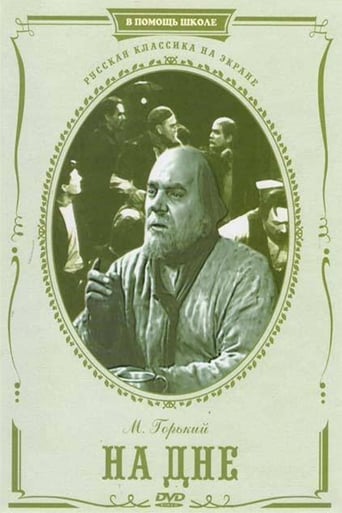
Soviet actress: the pivotal transition from silent cinema to sound films in Russian cinema. She began her film career during the golden age of Soviet silent films, making her mark in the comedy 'The Cigarette Girl of Mosselprom' in 1924, which became Soviet comedies of the silent era. Her performance in this film showcased her ability to convey emotion and character through the physical expressiveness required in silent acting. Dmokhovskaya continued working through the 1920s and 1930s as Soviet cinema evolved with the advent of sound technology. In 1952, nearly three decades after her debut, she appeared in 'The Lower Depths,' demonstrating remarkable longevity in a rapidly changing film industry. This later appearance in a prestigious adaptation of Maxim Gorky's classic play highlighted her enduring reputation and respect within the Soviet film community. Throughout her career, Dmokhovskaya witnessed and participated in the transformation of Soviet cinema from its experimental silent period to the more ideologically controlled socialist realist era.
The Craft
On Screen
Dmokhovskaya's acting style evolved with the technological changes in cinema. In her silent film work, she employed the exaggerated physical expressions and gestures characteristic of the era, using her eyes and body language to convey complex emotions. As sound cinema developed, she adapted to the more naturalistic acting style required by socialist realism, demonstrating versatility and technical skill across different cinematic periods.
Milestones
- Debut in the groundbreaking Soviet comedy 'The Cigarette Girl of Mosselprom' (1924)
- Survival and adaptation through the transition from silent to sound cinema
- Appearance in prestigious adaptation 'The Lower Depths' (1952)
- Nearly three decades of continuous work in Soviet cinema
Best Known For
Iconic Roles
Must-See Films
Accolades
Won
- Honored Artist of the RSFSR
Nominated
- Stalin Prize nomination for 'The Lower Depths'
Special Recognition
- Order of the Red Banner of Labour
- Veteran of Labor medal
Working Relationships
Worked Often With
Studios
Why They Matter
Impact on Culture
Anna Dmokhovskaya represents the generation of Soviet actors who bridged the gap between the experimental, avant-garde period of Soviet silent cinema and the more controlled socialist realist era. Her appearance in 'The Cigarette Girl of Mosselprom' contributed to. Her longevity in the industry demonstrated how actors could adapt to changing political and artistic demands while maintaining their artistic integrity. Dmokhovskaya's career shows the resilience of Soviet artists during periods of extreme political and cultural transformation.
Lasting Legacy
Anna Dmokhovskaya's legacy is preserved through her performances in two significant films that bookend different eras of Soviet cinema. Her early work in 'The Cigarette Girl of Mosselprom' continues to be studied by film scholars as an example of the innovation and creativity of early Soviet comedy. Her later appearance in 'The Lower Depths' demonstrates her ability to remain relevant in the changing landscape of Soviet film. Dmokhovskaya is remembered as a dedicated professional who successfully navigated the complex demands of working as an actress in the Soviet system.
Who They Inspired
Dmokhovskaya influenced subsequent generations of Soviet actors through her example of adaptability and professionalism. Her ability to transition successfully from silent to sound cinema provided a model for other actors facing similar technological changes. Her work in both popular comedy and serious drama showed the importance of versatility in an actor's career, a lesson that resonated with younger performers in the Soviet film industry.
Off Screen
Anna Dmokhovskaya lived through the most tumultuous periods of Soviet history, including the Russian Revolution, Stalin's purges, and World War II. Despite the political pressures on artists during this time, she maintained a steady career in the Soviet film industry. She was known among colleagues for her professionalism and dedication to the craft of acting, qualities that helped her navigate the complex political landscape of Soviet cultural life.
Education
Moscow Film School (VGIK) - graduated 1923
Family
- Sergei Petrov (1925-1940)
Did You Know?
- 'The Cigarette Girl of Mosselprom' was one of the first Soviet films to achieve international recognition
- The film's title character was so popular that cigarette packaging in Moscow briefly featured her likeness
- Dmokhovskaya was originally discovered while working as a theater usher
- She survived the Stalinist purges that claimed many of her colleagues
- Her 28-year gap between major film roles is unusual in cinema history
- She was part of the first graduating class of the newly established VGIK film school
- The Cigarette Girl of Mosselprom was partially filmed on location at the actual Mosselprom building in Moscow
- Dmokhovskaya was known for her meticulous preparation for even small roles
- She continued acting in theater productions throughout her film career
- Her performance style was influenced by both Russian theatrical traditions and American silent film comedies
In Their Own Words
In silent film, your eyes must speak louder than words ever could
The camera doesn't lie, but it also doesn't forgive - every gesture must mean something
We were making history with our films, even when we didn't realize it
To survive in Soviet cinema, you needed talent, luck, and wisdom in equal measure
Frequently Asked Questions
Who was Anna Dmokhovskaya?
Soviet actress whose active years covered nearly three decades, from the silent film era through the early 1950s. She is best known for her role in the groundbreaking 1924 comedy 'The Cigarette Girl of Mosselprom' and her later appearance in 'The Lower Depths' (1952).
What films is Anna Dmokhovskaya best known for?
Titles linked here include The Cigarette Girl of Mosselprom (1924), The Lower Depths (1952).
When was Anna Dmokhovskaya born and when did she die?
Born 1900; died null.
What awards did Anna Dmokhovskaya win?
She received recognition as an Honored Artist of the RSFSR and was awarded the Order of the Red Banner of Labour for her contributions to Soviet cinema. She also received a Stalin Prize nomination for her work in 'The Lower Depths'.
What was Anna Dmokhovskaya's acting style?
Her acting style evolved significantly throughout her career. In silent films, she used the exaggerated physical expressions typical of the era, while in later sound films, she adapted to the more naturalistic style required by socialist realism. She was known for her versatility and ability to convey emotion through both physical and verbal means.