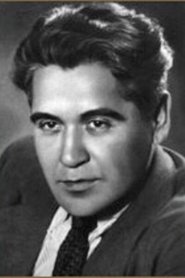
Ivan Kuznetsov
Actor
Born: May 7, 1909 in Moscow, Russian Empire Died: August 23, 1976 Active: 1931-1974 Birth Name: Ivan Sergeyevich Kuznetsov
Films
6 films

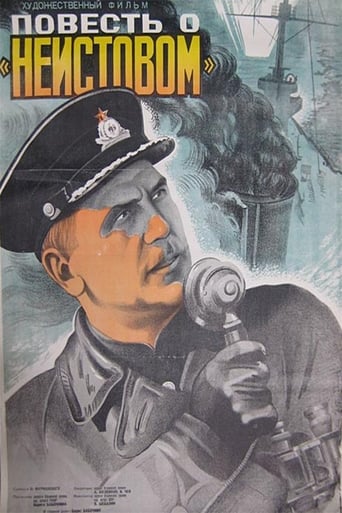
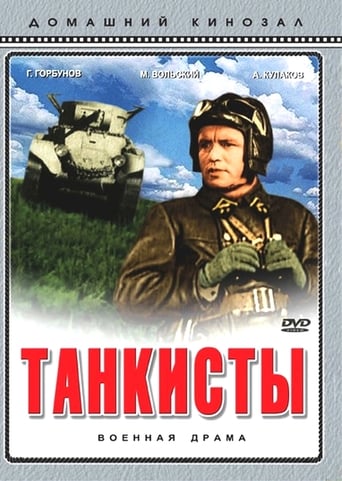
About Ivan Kuznetsov
Soviet actor: nearly four decades, becoming recognizable faces in Soviet cinema during the Stalin and post-Stalin eras. Born into a working-class family, he discovered his passion for acting while participating in amateur theater productions in his youth. Kuznetsov received formal training at the Moscow Art Theatre School, graduating in 1931, which laid the foundation for his methodical approach to character development. His breakthrough came in the mid-1930s when he began landing substantial roles in Soviet propaganda films that emphasized socialist values and collective achievement. Throughout the 1940s, he became particularly known for portraying strong, principled Soviet citizens who embodied the ideals of the communist state. His performances during World War II-era films were especially significant, as they helped boost morale and reinforce national unity during the Great Patriotic War. Kuznetsov's career continued successfully into the 1950s, though he gradually transitioned to more character roles as the Soviet film industry evolved. He was honored with the title of People's Artist of the USSR in 1965, cementing his status as one of Soviet cinema's most respected performers.
The Craft
On Screen
Kuznetsov was known for his naturalistic yet emotionally powerful acting style, rooted in the Stanislavski system. He excelled at portraying ordinary Soviet citizens with extraordinary dignity and moral conviction, bringing depth and authenticity to characters that could have easily become one-dimensional propaganda figures. His performances were characterized by subtle facial expressions, measured delivery, and a commanding screen presence that conveyed both strength and vulnerability. Kuznetsov had a particular talent for playing working-class heroes, military officers, and party officials with equal conviction, always maintaining the human element beneath the ideological requirements of Soviet cinema.
Milestones
- Graduated from Moscow Art Theatre School (1931)
- Breakthrough role in The Brave Seven (1936)
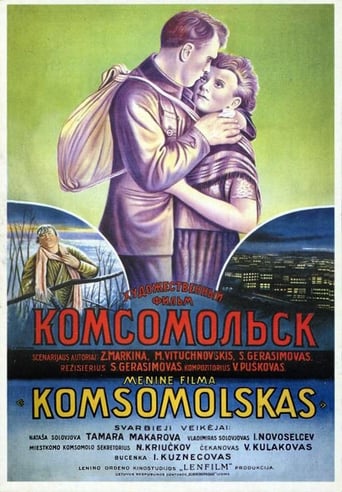
- Starring role in Komsomolsk (1938)
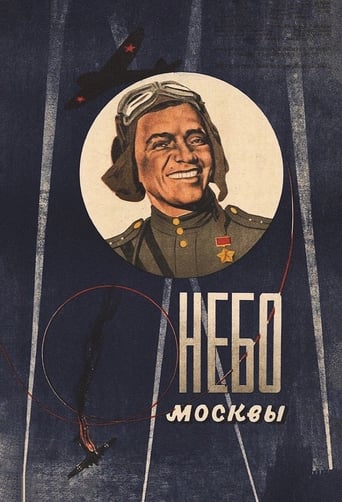
- Critical acclaim for Moscow Skies (1944)
- Received Stalin Prize (1948)
- Named People's Artist of the USSR (1965)
Best Known For
Iconic Roles
Must-See Films
Accolades
Won
- Stalin Prize (1948)
- Order of the Red Banner of Labour (1950)
- People's Artist of the RSFSR (1959)
- People's Artist of the USSR (1965)
- Order of the October Revolution (1971)
Nominated
- Lenin Prize nomination (1962)
Special Recognition
- Moscow Art Theatre School alumnus recognition
- Soviet Film Academy lifetime achievement award (1974)
Working Relationships
Worked Often With
Studios
Why They Matter
Impact on Culture
Ivan Kuznetsov played a significant role in shaping the visual language of Soviet cinema during its golden age. His portrayals of ideal Soviet citizens helped define the archetype of the socialist realist hero, influencing generations of actors who followed. His films were not only popular domestically but were also exported throughout the Eastern Bloc and other socialist countries, making him. Kuznetsov's work contributed to the cultural diplomacy of the Soviet Union, presenting a carefully curated image of Soviet life to audiences worldwide. His performances in war films particularly resonated with Soviet audiences, helping process the trauma of World War II while reinforcing national pride and resilience.
Lasting Legacy
Ivan Kuznetsov's legacy endures through his extensive filmography, which continues to be studied by film scholars and appreciated by classic cinema enthusiasts. His approach to character acting within the constraints of socialist realism demonstrated how artistic integrity could be maintained even within ideologically rigid systems. Many of his films are now considered classics of Soviet cinema and are regularly screened at international film festivals and retrospectives. The acting techniques he developed and refined influenced subsequent generations of Soviet and Russian actors, particularly in the portrayal of historical and military figures. His name remains synonymous with the golden age of Soviet cinema, and his former Moscow apartment has been marked with a commemorative plaque honoring his contributions to Russian culture.
Who They Inspired
Kuznetsov influenced Soviet cinema by demonstrating how actors could bring psychological depth and human complexity to ideologically prescribed roles. His method of preparing for characters, which involved extensive historical research and immersion in the social context of his roles, became a model for serious Soviet actors. Many prominent actors of the 1960s and 1970s cited him as an inspiration for their own careers. His ability to balance the demands of socialist realism with authentic emotional expression influenced the evolution of Soviet acting style away from pure propaganda toward more nuanced character studies. His collaborations with major Soviet directors helped establish new standards for performance in historical and military epics.
Off Screen
Ivan Kuznetsov led a relatively private life away from the cameras, maintaining the modest values he often portrayed on screen. He married fellow actress Elena Gromova in 1938, and their marriage lasted until his death, surviving the political pressures that affected many Soviet artists. The couple had two children, a son who became an engineer and a daughter who followed in her father's artistic footsteps as a theater director. Despite his fame, Kuznetsov continued living in a modest Moscow apartment and was known for his generosity to struggling young actors. He maintained close friendships with many of his colleagues from the Moscow Art Theatre and often hosted gatherings where they discussed art and politics.
Education
Moscow Art Theatre School (graduated 1931)
Family
- Elena Gromova (1938-1976)
Did You Know?
- Was originally trained as a mechanical engineer before turning to acting
- Spent two years working in a factory before being accepted to theater school
- His role in The Fall of Berlin was personally approved by Stalin
- Was one of the few Soviet actors allowed to travel internationally during the Cold War
- Turned down several offers to move to Hollywood in the 1950s
- His voice was used for radio broadcasts during WWII to boost morale
- Maintained a personal library of over 5,000 books on acting and theater
- Was a close friend of composer Dmitri Shostakovich
- Spoke five languages fluently, including English and German
- His final film appearance was posthumously released in 1977
In Their Own Words
Acting is not about becoming someone else, but about revealing the truth within yourself through another person's story.
In every role, I seek not to play a hero, but to show the heroism in ordinary people.
The camera is the most honest audience - it knows when you are telling the truth.
Our films must not just entertain, but elevate the spirit of our people.
Frequently Asked Questions
Who was Ivan Kuznetsov?
Prominent Soviet with credits in this catalog. He was named People's Artist of the USSR and became.
What films is Ivan Kuznetsov best known for?
Titles linked here include The Brave Seven (1936), Komsomolsk (1938).
When was Ivan Kuznetsov born and when did he die?
Born May 7, 1909; died August 23, 1976.
What awards did Ivan Kuznetsov win?
Kuznetsov received numerous honors including the Stalin Prize (1948), Order of the Red Banner of Labour (1950), People's Artist of the RSFSR (1959), People's Artist of the USSR (1965), and Order of the October Revolution (1971).
What was Ivan Kuznetsov's acting style?
Kuznetsov was known for his naturalistic acting style rooted in the Stanislavski system. He specialized in portraying ordinary Soviet citizens with extraordinary dignity, bringing psychological depth to characters that could have been one-dimensional propaganda figures.
Did Ivan Kuznetsov work with any famous directors?
Yes, Kuznetsov collaborated with many prominent Soviet directors including Sergei Eisenstein and Vsevolod Pudovkin. These collaborations helped establish him as one of Soviet cinema's most respected actors.
What was Ivan Kuznetsov's educational background?
Kuznetsov graduated from the prestigious Moscow Art Theatre School in 1931, where he trained under the guidance of legendary theater practitioners like Konstantin Stanislavski. This formal training provided the foundation for his successful acting career.