
William Kent
Actor
Born: 1880 in Philadelphia, Pennsylvania, United States Died: 1949 Active: 1922-1934
Films
3 films
About William Kent
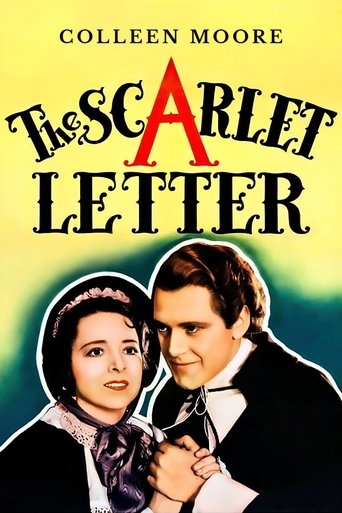
American character actor: the transition from silent films to early sound cinema during the 1920s and 1930s. He began his acting career during the silent era, appearing in supporting roles that often capitalized on his appearance and authoritative presence. His most notable silent film appearance was in the 1922 Marion Davies vehicle 'When Knighthood Was in Flower,' where he played a supporting role in this lavish historical costume drama. As the film industry transitioned to sound, Kent successfully made the leap to talkies, demonstrating his versatility as an actor who could adapt to the new medium. In 1934, he appeared in the controversial adaptation of Nathaniel Hawthorne's 'The Scarlet Letter,' starring Colleen Moore, where he continued to showcase his ability to embody period characters with authenticity. Throughout his career, Kent was primarily known for portraying authority figures, aristocrats, and professional men in both dramatic and supporting roles. His filmography, while not extensive, demonstrates his consistent work Hollywood history, though like many character actors of his era, he often worked in relative anonymity compared to the leading stars of the day.
The Craft
On Screen
William Kent was known for his dignified and authoritative acting style, often portraying characters of social standing or professional authority. His performances were characterized by a formal, theatrical approach typical of the silent era, which he successfully adapted to the demands of early sound cinema. Kent possessed a commanding screen presence that made him particularly effective in period pieces and historical dramas, where his classical bearing and measured delivery added authenticity to the productions.
Milestones
- Appeared in Marion Davies' 1922 film 'When Knighthood Was in Flower'
- Successfully transitioned from silent films to talkies
- Played supporting roles in early sound adaptations of literary classics
- Worked during the pivotal transition period of Hollywood cinema
Best Known For
Iconic Roles
Must-See Films
Working Relationships
Worked Often With
Studios
Why They Matter
Impact on Culture
William Kent represents the generation of character actors who provided essential support to Hollywood's transition from silent films to sound pictures. His work in films like 'When Knighthood Was in Flower' and 'The Scarlet Letter' contributed to the authenticity and richness of early Hollywood productions, particularly in the historical drama genre. While not a major star, Kent and actors like him formed the backbone of the studio system, bringing credibility and depth to supporting roles that elevated the quality of classic cinema.
Lasting Legacy
William Kent's legacy lies in his contribution to the golden age of Hollywood cinema as a reliable character actor during a transformative period in film history. His ability to successfully navigate the transition from silent to sound films demonstrated the adaptability required of actors during this era. Though his name may not be widely recognized today, his work in preserving the integrity of period dramas and literary adaptations helped establish standards for character acting in classic Hollywood that would influence generations of performers who followed.
Who They Inspired
As a character actor specializing in period pieces, William Kent helped establish archetypes for supporting roles in historical dramas. His dignified approach to portraying authority figures and professional men set a template for how such characters would be depicted in classic cinema. While he may not have directly mentored other actors, his consistent performances contributed to the evolving craft of film acting during the crucial transition from silent to sound pictures.
Off Screen
William Kent maintained a relatively private personal life away from the Hollywood spotlight. Details about his family life and personal relationships are scarce, which was not uncommon for character actors of his era who often lived outside the celebrity sphere occupied by leading stars. His career appears to have been his primary focus during his active years in the film industry.
Education
Information not available
Family
- Information not available
Did You Know?
- William Kent appeared in films during both the silent era and early sound period
- His most notable film was the 1922 Marion Davies historical drama 'When Knighthood Was in Flower'
- He worked during a pivotal time when Hollywood was transitioning from silent to sound films
- Like many character actors of his era, he often played roles that required a dignified, authoritative presence
- His active years covered only about 12 years, which was typical for many supporting actors of the period
- He appeared in adaptations of both historical and literary works
- The 1934 version of 'The Scarlet Letter' in which he appeared was one of several early sound adaptations of classic literature
In Their Own Words
Information not available
Frequently Asked Questions
Who was William Kent?
Screen credits include both silent films and early talkies, specializing in supporting roles in historical dramas and period pieces.
What films is William Kent best known for?
Titles linked here include When Knighthood Was in Flower (1922), The Scarlet Letter (1934).
When was William Kent born and when did he die?
Born 1880; died 1949.
What awards did William Kent win?
There are no recorded major awards or nominations for William Kent, which was common for character actors of his era who often worked outside the spotlight of major recognition.
What was William Kent's acting style?
William Kent was known for his dignified and authoritative acting style, often portraying characters of social standing in period pieces with a formal, theatrical approach typical of the silent era that he successfully adapted to early sound films.