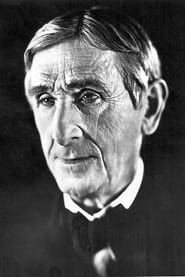
Maurice Schutz
Actor
Born: August 1, 1866 in Paris, France Died: March 22, 1955 Active: 1920s-1930s (film career), 1890s-1920s (stage career)
Films
3 films
About Maurice Schutz
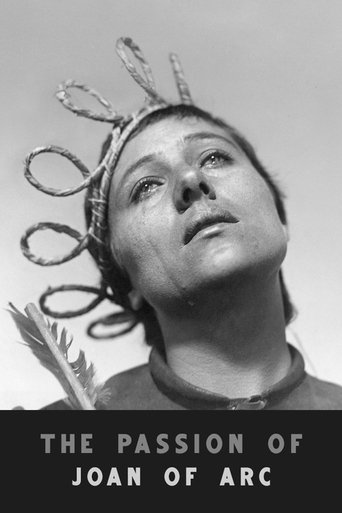
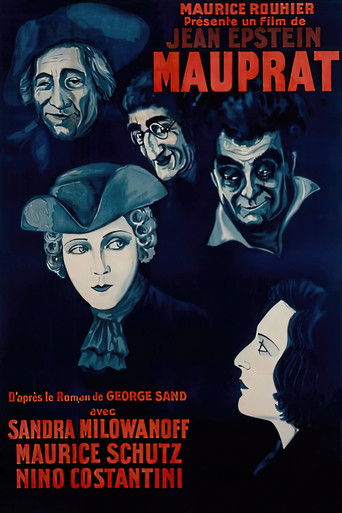
French actor: the transition from stage to early cinema, primarily flourishing during the silent film era. Born into the theatrical tradition of late 19th century France, Schutz began his career on the Parisian stage before transitioning to the burgeoning film industry in the 1920s. His most significant contributions to cinema came during his collaboration with directors of the silent era, most notably Carl Theodor Dreyer in the landmark film The Passion of Joan of Arc (1928), where he portrayed one of the presiding judges with remarkable gravitas and psychological depth. Schutz also worked with director Jean Epstein in Mauprat (1926), demonstrating his versatility across different cinematic styles and narratives. His acting style, rooted in classical theatrical training yet adapted for the intimate medium of film, exemplified the sophisticated approach of French actors during this transitional period. Though his film career was relatively brief, concentrated primarily between 1926-1928, his performances in these masterpieces of silent cinema have ensured his enduring place in film history. Schutz represented the generation of classically trained actors who successfully bridged the gap between 19th-century theatrical traditions and 20th-century cinematic artistry.
The Craft
On Screen
Classically trained theatrical style adapted for cinema, characterized by subtle facial expressions, controlled gestures, and psychological depth. Schutz brought the gravitas and discipline of stage acting to the intimate medium of film, using minimal movements to convey complex emotions. His approach exemplified the sophisticated French acting tradition that valued restraint and psychological authenticity over melodramatic expression, particularly evident in his portrayal of authority figures with moral complexity.
Milestones
- Stage career in Parisian theaters (1890s-1920s)
- Breakthrough film role in Mauprat (1926)
- Iconic performance as Judge in The Passion of Joan of Arc (1928)
- Transition from silent to early sound films
- Collaboration with European directors
Best Known For
Iconic Roles
Must-See Films
Accolades
Special Recognition
- Recognized as part of the cast of one of cinema's greatest masterpieces (The Passion of Joan of Arc)
Working Relationships
Worked Often With
Studios
Why They Matter
Impact on Culture
Maurice Schutz contributed significantly to the golden age of French silent cinema, particularly through his work in The Passion of Joan of Arc, widely regarded as one of the greatest films ever made. His performance as one of Joan's judges helped establish the psychological realism and emotional intensity that characterized French cinema's artistic ambitions during the 1920s. Schutz represented the sophisticated acting tradition that French cinema from its Hollywood counterparts, emphasizing psychological depth and moral complexity over star power. His work exemplified how trained stage actors could adapt their craft to the new medium of cinema, bringing theatrical gravitas to the intimate close-up techniques pioneered by directors like Dreyer. Through these landmark films, Schutz participated in establishing cinema as a serious art form capable of profound emotional and philosophical exploration.
Lasting Legacy
Maurice Schutz's legacy endures primarily through his unforgettable performance in The Passion of Joan of Arc, a film that continues to influence filmmakers and actors nearly a century after its creation. As part of the ensemble that brought Dreyer's vision to life, Schutz helped demonstrate how silent film could achieve unprecedented psychological depth and emotional power. His work stands as proof of the artistic achievements of French cinema during the 1920s, a period when Paris was arguably the world's most sophisticated film center. For film scholars and enthusiasts, Schutz represents the crucial but often unheralded character actors whose contributions elevated great films to masterpieces. His performances continue to be studied in film schools as examples of how classical acting techniques could be successfully adapted to the unique demands of cinema, particularly in the challenging medium of silent film.
Who They Inspired
While Maurice Schutz may not have directly mentored subsequent generations of actors in a documented capacity, his performances in landmark silent films influenced the development of cinematic acting techniques. His work in The Passion of Joan of Arc demonstrated how restrained, psychologically nuanced acting could be more powerful than exaggerated gestures, influencing generations of actors who studied the film's techniques. The naturalistic yet emotionally charged style he helped pioneer in French cinema contrasted with the more theatrical approach common in early Hollywood, contributing to the development of more subtle acting methods that would become standard in later decades. His performances continue to serve as reference points for actors studying the craft of film acting, particularly in conveying complex emotions through minimal means.
Off Screen
Maurice Schutz lived through. Details about his personal life remain scarce, reflecting the limited documentation available for many character actors of the silent era. His longevity (nearly 89 years) meant he experienced the entire evolution of cinema from its infancy to the post-war period. As a man of the theater who successfully transitioned to film, he represented the cultural bridge between 19th and 20th century French performing arts.
Education
Classical theatrical training in Paris (late 19th century)
Family
- Information not publicly documented
Did You Know?
- Appeared in what many critics consider the greatest silent film ever made (The Passion of Joan of Arc)
- Was nearly 62 years old when he filmed his most famous role
- His stage active years covered over three decades before his film debut
- Worked during the peak of French artistic cinema in the 1920s
- Survived both World Wars, living through nearly nine decades of French history
- Part of the golden generation of French actors who transitioned from theater to film
- His performance in The Passion of Joan of Arc was achieved without makeup, emphasizing naturalism
- The film's director, Carl Theodor Dreyer, was known for his demanding approach to actors
- Schutz's theatrical background prepared him well for the intense emotional demands of Dreyer's direction
- His character in The Passion of Joan of Arc represents the institutional authority that condemned Joan
In Their Own Words
No documented famous quotes from Maurice Schutz are available in historical records, reflecting the limited documentation of character actors from the silent era
Frequently Asked Questions
Who was Maurice Schutz?
French with credits in this catalog. He is best remembered for his powerful performance as one of the judges in Carl Theodor Dreyer's masterpiece The Passion of Joan of Arc (1928). His classical training and theatrical gravitas brought depth and authenticity to his film roles during the golden age of French cinema.
What films is Maurice Schutz best known for?
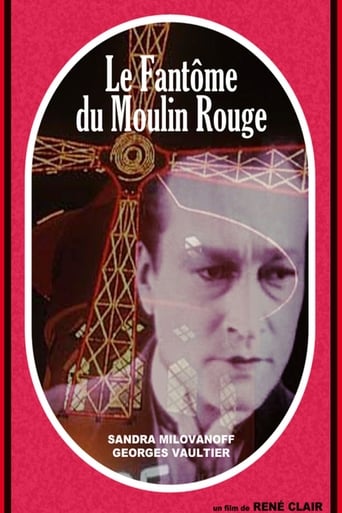
Titles linked here include The Passion of Joan of Arc (1928), Mauprat (1926).
When was Maurice Schutz born and when did he die?
Born August 1, 1866; died March 22, 1955.
What awards did Maurice Schutz win?
There are no documented awards or formal recognitions that Maurice Schutz received during his lifetime, which was common for character actors of the silent era. However, his participation in The Passion of Joan of Arc has earned him lasting recognition as part of one of cinema's greatest achievements, with the film consistently ranked among the greatest movies ever made by critics and filmmakers worldwide.
What was Maurice Schutz's acting style?
Maurice Schutz's acting style combined classical theatrical training with the intimate demands of cinema, characterized by psychological depth, controlled gestures, and subtle facial expressions. Unlike the exaggerated acting common in early silent films, Schutz brought a naturalistic gravitas to his roles, particularly evident in his portrayal of authority figures with moral complexity. His approach exemplified the sophisticated French acting tradition that valued restraint and authenticity over melodrama.