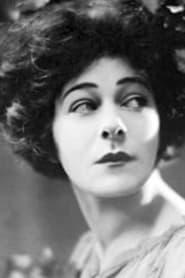
Bleuette Bernon
Actor
Born: 1876 in Paris, France Died: 1937 Active: 1899-1908 Birth Name: Blanche Bernon
Films
6 films

About Bleuette Bernon
French actress who emerged as one of the first film performers in cinema history during the late 1890s and early 1900s. She became a regular collaborator with the filmmaker Georges Méliès at his Star Film studio, appearing in numerous fantasy and trick films that helped establish the language of cinema. Bernon's performances were characterized by the theatrical style typical of early cinema, where exaggerated gestures and expressions were necessary to convey emotion and story to silent audiences. She often played female leads, fairies, princesses, and other fantastical characters in Méliès's elaborate productions that featured innovative special effects and elaborate stage designs. Her the crucial first decade of commercial cinema, from 1899 to approximately 1908, during which she participated in creating some of the most influential early films. Bernon was part of a small group of actors who essentially invented screen acting, transitioning from stage performance to the new medium of film. Her work with Méliès helped establish the fantasy genre in cinema and demonstrated the narrative possibilities of the moving image.
The Craft
On Screen
Bleuette Bernon's acting style was characteristic of the theatrical tradition from which early cinema emerged, featuring broad gestures, exaggerated facial expressions, and deliberate movements designed to be clearly understood by silent film audiences. Her performances were heavily influenced by stage acting conventions, with dramatic poses and expressive body language that could convey emotion and narrative without dialogue. Bernon specialized in portraying ethereal characters like fairies, princesses, and romantic heroines, bringing a sense of wonder and enchantment to Méliès's fantastical productions. Her acting was synchronized with Méliès's elaborate special effects and magical transformations, requiring precise timing and the ability to react to invisible elements that would be added in post-production. Despite the limitations of early film technology and the absence of close-ups, Bernon managed to create memorable characters through her commanding stage presence and expressive performance style.
Milestones
- First film appearance in Cinderella (1899)
- Starred in Joan of Arc (1900)
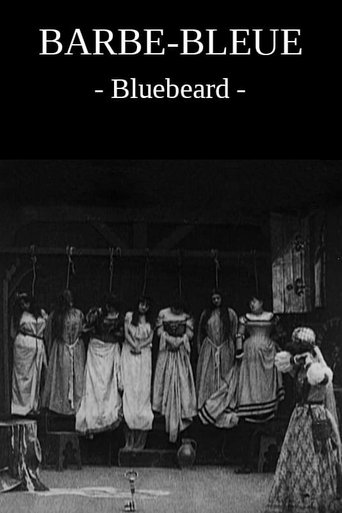
- Appeared in Bluebeard (1901)
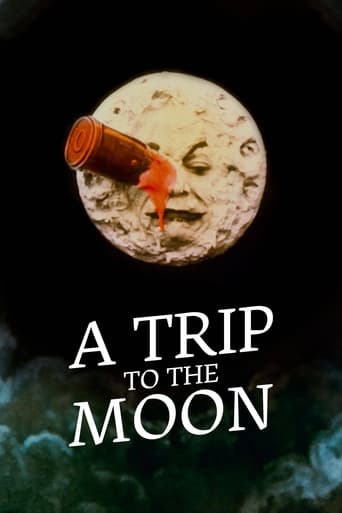
- Featured in the landmark A Trip to the Moon (1902)
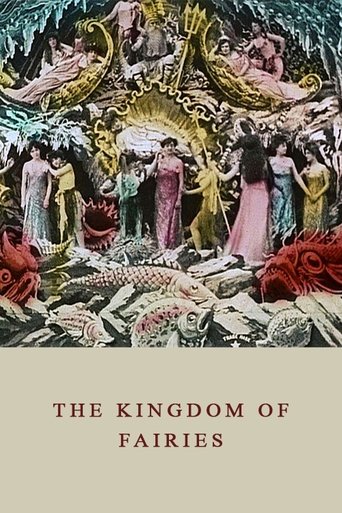
- Starred in The Kingdom of the Fairies (1903)
- Regular collaborator with Georges Méliès
- One of the first professional film actresses
Best Known For
Iconic Roles
Must-See Films
Accolades
Special Recognition
- Recognized as one of cinema's first professional actresses
- Honored in film history retrospectives for work in early cinema
Working Relationships
Worked Often With
Studios
Why They Matter
Impact on Culture
Bleuette Bernon played a crucial role in the development of cinema as one of the first professional film actresses, helping establish screen acting as a distinct art form separate from theatrical performance. Her work with Georges Méliès contributed to the creation of the fantasy and science fiction genres in cinema, demonstrating how actors could interact with special effects and imaginary elements. Bernon was part of the foundational generation of performers who proved that film could support complex narratives and character development, paving the way for the movie star system that would emerge in later decades. Her performances in some of cinema's most historically significant films, including A Trip to the Moon, helped establish the vocabulary of cinematic storytelling. Bernon's active years covered the crucial period when cinema evolved from a technological novelty to a legitimate art form, and her work represents the transition from theatrical to cinematic performance styles.
Lasting Legacy
Bleuette Bernon's legacy lies in her role as one of cinema's first professional actresses, establishing the foundation for screen performance that would evolve over the following century. Her body of work with Georges Méliès represents some of the earliest surviving examples of narrative cinema, and her performances continue to be studied by film historians and scholars interested in the origins of cinematic acting. Bernon demonstrated that film could support complex characterizations and emotional storytelling, even with the technical limitations of early cinema. Her work in fantasy and trick films helped establish the visual language that would influence countless future filmmakers and performers. As part of Méliès's regular troupe, she contributed to creating some of the most influential early films that continue to be referenced and studied today. Bernon represents the important but often overlooked contributions of early female performers in establishing cinema as both an art form and an industry.
Who They Inspired
Bleuette Bernon influenced subsequent generations of film actors by helping establish the fundamental techniques of screen performance during cinema's formative years. Her work demonstrated how actors could adapt theatrical techniques for the camera, creating a new style of performance that would evolve into modern screen acting. Bernon's ability to interact convincingly with special effects and imaginary elements in Méliès's films set a precedent for future performers in fantasy and science fiction genres. Her career showed that film could provide a legitimate venue for serious dramatic performance, helping elevate the status of acting in the new medium. The theatrical techniques she adapted for the screen influenced the development of acting styles throughout the silent era and beyond. Bernon's work continues to be studied by performers and scholars interested in the evolution of screen acting from its theatrical origins to the naturalistic styles that would emerge in later decades.
Off Screen
Bleuette Bernon, born Blanche Bernon, lived during a transformative period in entertainment history when the new medium of cinema was emerging. She was part of the theatrical community in Paris that transitioned into film work as the new art form developed. Details about her personal life remain scarce, as was common for many early film performers whose private lives were not documented as extensively as later stars. She worked during a time when film acting was not yet considered a prestigious profession, and many early performers came from theatrical backgrounds. Bernon's career coincided with the birth of commercial cinema, and she was among the first generation of performers to dedicate themselves primarily to film work rather than stage performance.
Education
Likely trained in theatrical performance, though specific educational details are not documented in historical records
Family
- Information not available in historical records
Did You Know?
- One of the first professional film actresses in cinema history
- Worked exclusively with Georges Méliès during her film career
- Appeared in A Trip to the Moon (1902),
- Her stage name 'Bleuette' means 'little blue' in French
- Participated in creating some of the first special effects sequences in cinema
- Worked during the period when films were not yet credited with individual performer names
- Her performances helped establish the fantasy genre in cinema
- Was part of the transition from stage performance to film acting
- Appeared in films that were among the first to use narrative storytelling techniques
- Worked in films that were hand-colored frame by frame, an early color process
In Their Own Words
No recorded quotes survive from Bleuette Bernon, as was common for early film performers who were rarely interviewed by press
Frequently Asked Questions
Who was Bleuette Bernon?
French actress who became one of the first professional film performers in cinema history, working primarily with on YTB.my. She appeared in some of the most historically significant early films, including A Trip to the Moon, helping establish the foundations of screen acting and the fantasy genre in cinema.
What films is Bleuette Bernon best known for?
Titles linked here include Cinderella (1899), Joan of Arc (1900).
When was Bleuette Bernon born and when did she die?
Born 1876; died 1937.
What was Bleuette Bernon's acting style?
Bleuette Bernon's acting style was characteristic of early cinema, featuring theatrical gestures, exaggerated expressions, and deliberate movements necessary for silent film audiences. She specialized in playing ethereal characters like fairies and princesses, bringing a sense of wonder to Méliès's fantastical productions with her commanding stage presence and expressive performance style.
How did Bleuette Bernon influence early cinema?
Bleuette Bernon influenced early cinema by helping establish screen acting as a distinct art form separate from theater, demonstrating how actors could interact with special effects, and contributing to the development of the fantasy genre. Her work proved that film could support complex narratives and characterizations, paving the way for future generations of film performers and the eventual emergence of the movie star system.