
Hamo Bek-Nazaryan
Actor & Director
Born: May 19, 1892 in Yerevan, Russian Empire (now Armenia) Died: April 27, 1965 Active: 1914-1965
Films
2 films
About Hamo Bek-Nazaryan
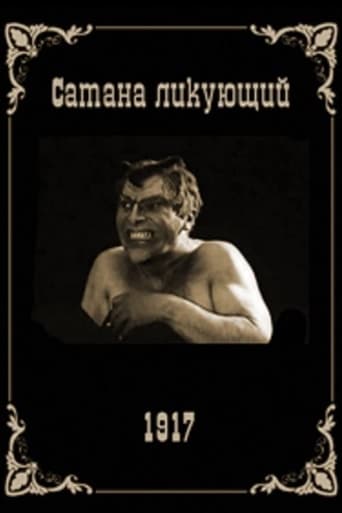
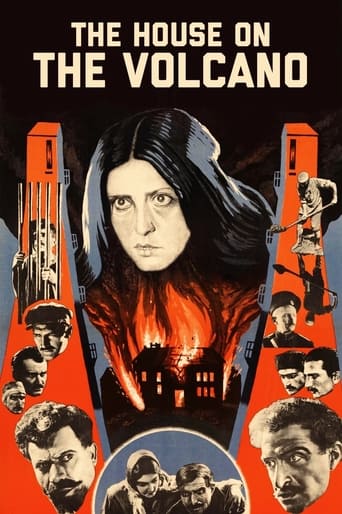
Armenian filmmaker who emerged as figures in early Soviet cinema. Born in Yerevan, he began his career as an actor in pre-revolutionary Russian cinema, notably starring in Yakov Protazanov's 'Satan Triumphant' in 1917. After the Bolshevik Revolution, he transitioned into directing and became a founding father of Armenian cinema, establishing the first Armenian film studio 'Hayfilm' (originally Armenfilm) in 1923. His directorial work blended social realism with national themes, creating films that celebrated Armenian culture while adhering to Soviet ideological requirements. 'The House on the Volcano' (1928) stands as his masterpiece, a powerful drama about class struggle set against the backdrop of Armenian village life. Throughout his career, he directed over 20 films and acted in numerous others, becoming instrumental in developing a distinct Armenian cinematic language. His influence extended beyond directing, as he trained generations of Armenian filmmakers and helped establish the infrastructure for national cinema production in the Soviet republic.
The Craft
On Screen
Bek-Nazaryan's acting style was rooted in the theatrical traditions of the late Imperial Russian stage, characterized by exaggerated gestures and intense emotional expression typical of silent cinema. His performances often featured a commanding screen presence with deep, soulful eyes that conveyed complex emotions without dialogue. In 'Satan Triumphant,' he demonstrated remarkable range, portraying both villainous and sympathetic characters with equal conviction. His acting technique evolved from melodramatic expressionism toward more naturalistic performances as cinema transitioned from silent to sound films.
Behind the Camera
As a director, Bek-Nazaryan developed a distinctive visual language that combined Soviet montage techniques with Armenian cultural aesthetics. His films often featured sweeping landscape cinematography that emphasized the dramatic beauty of the Armenian countryside, using natural settings as metaphorical extensions of character emotions. He was particularly skilled at orchestrating large crowd scenes and creating epic historical narratives while maintaining intimate human stories. His directing style balanced Soviet ideological requirements with authentic Armenian cultural elements, creating a unique hybrid that appealed to both local and international audiences.
Milestones
- Starred in 'Satan Triumphant' (1917),
- Founded Armenfilm (Hayfilm) studio in 1923, establishing Armenian national cinema
- Directed 'The House on the Volcano' (1928), considered a masterpiece of early Soviet cinema
- Created the first Armenian sound film 'Pepo' (1935)
- Served as artistic director of Hayfilm for over two decades
- Mentored generations of Armenian filmmakers
- Received the title of People's Artist of the USSR
Best Known For
Iconic Roles
Must-See Films
Accolades
Won
- People's Artist of the USSR (1956)
- People's Artist of the Armenian SSR (1935)
- Order of Lenin (1936)
- Order of the Red Banner of Labour (1940)
- Stalin Prize (1941) for 'Zangezur'
- State Prize of the Armenian SSR (1965)
Nominated
- Venice Film Festival - Best Director (1935) for 'Pepo'
- Moscow International Film Festival - Grand Prix (1959)
Special Recognition
- Star on the Armenian Walk of Fame
- Hamam Bek-Nazaryan Film Museum established in Yerevan
- Postage stamps issued in his honor by Armenia
- Annual film festival named after him in Armenia
- Theater and cinema institute in Yerevan bears his name
Working Relationships
Worked Often With
Studios
Why They Matter
Impact on Culture
Hamo Bek-Nazaryan fundamentally shaped the development of national cinema in the Soviet Union, particularly for smaller republics seeking cultural expression within the Soviet system. His work demonstrated how regional filmmakers could create distinctive national cinema while working within state-sponsored frameworks. By establishing Armenfilm, he created a model for other Soviet republics to develop their own film industries. His films, especially 'Pepo' and 'Zangezur,' became cultural touchstones for Armenian identity, preserving folk traditions, language, and historical narratives for future generations. His success in international film festivals proved that national cinemas from smaller Soviet republics could achieve global recognition.
Lasting Legacy
Bek-Nazaryan's legacy endures through the continued operation of Hayfilm studio, which remains Armenia's primary film production company. His films are regularly screened in retrospectives at major international film festivals, and 'Pepo' is considered one of the greatest films ever made in the Soviet Union. The Hamo Bek-Nazaryan Film Museum in Yerevan preserves his archives and serves as an educational resource for film students. His approach to blending national culture with cinematic innovation influenced generations of filmmakers not only in Armenia but throughout the former Soviet republics. Many of his techniques for representing national identity on screen continue to be studied by film scholars worldwide.
Who They Inspired
Bek-Nazaryan influenced countless filmmakers through his work in establishing national cinema infrastructure. His success in creating commercially and artistically successful films within the Soviet system inspired directors in Georgia, Ukraine, Azerbaijan, and Central Asia to develop their own national film industries. His visual style, particularly his use of landscape as narrative element, influenced subsequent generations of Armenian directors. His ability to navigate Soviet censorship while maintaining artistic integrity provided a model for filmmakers working under restrictive political systems. International filmmakers studying Soviet cinema often cite his work as an example of how regional cinema can achieve universal appeal while maintaining distinct cultural identity.
Off Screen
Bek-Nazaryan married fellow Armenian actress Sofya Poghosyan in 1920, and their partnership extended beyond marriage into professional collaboration. The couple had two children, both of whom entered the film industry. Despite his prominence in Soviet cinema, he maintained strong connections to Armenian cultural traditions and was known for his efforts to preserve Armenian folklore and literature through film. He survived the Stalinist purges of the 1930s, partly due to his popularity and the international recognition his films received. In his later years, he suffered from declining health but continued to mentor young filmmakers until his death in 1965.
Education
Studied at the Moscow Film School (VGIK) in the early 1920s, received additional training in Berlin and Paris in the 1920s
Family
- Sofya Poghosyan (1920-1965)
Did You Know?
- He was one of the first Armenians to work in cinema, beginning his career before Armenia was even a Soviet republic
- His film 'Pepo' (1935) was the first Armenian sound film and is still considered the national film of Armenia
- He survived both the Armenian Genocide and Stalin's Great Purge, remarkable for a prominent cultural figure of his era
- He was originally trained as a lawyer before discovering his passion for cinema
- His brother Amo Bek-Nazaryan was also a prominent filmmaker, leading to some confusion in film histories
- He was fluent in five languages: Armenian, Russian, Georgian, French, and German
- During WWII, he made several propaganda films for the Soviet war effort while continuing to develop Armenian cinema
- His films were among the first Soviet movies to be exported to Western countries in the 1920s
- He was known for discovering and promoting many Armenian actors who later became national stars
- The volcano in 'The House on the Volcano' was actually Mount Ararat, though this was never explicitly stated in the film
In Their Own Words
Cinema is not just entertainment; it is the mirror in which a nation sees its soul reflected.
To make an Armenian film, you must have Armenian blood in your veins and Armenian mountains in your heart.
The camera is the pen with which we write the history of our people for future generations.
In every frame of film, there must be a piece of our national heritage - our music, our landscapes, our struggles.
Silence in cinema speaks louder than words when the images carry the weight of a nation's history.
Frequently Asked Questions
Who was Hamo Bek-Nazaryan?
Armenian filmmaker who founded the Armenian national film industry. He worked as both an actor and director during the silent era and transitioned to sound films, becoming.
What films is Hamo Bek-Nazaryan best known for?
Titles linked here include The House on the Volcano (1928), Satan Triumphant (1917).
When was Hamo Bek-Nazaryan born and when did he die?
Born May 19, 1892; died April 27, 1965.
What awards did Hamo Bek-Nazaryan win?
He received the prestigious title of People's Artist of the USSR, the Stalin Prize for 'Zangezur', the Order of Lenin, and multiple State Prizes. He was also named People's Artist of the Armenian SSR and received numerous honors for his contributions to cinema.
What was Hamo Bek-Nazaryan's directing style?
His directing style combined Soviet montage techniques with Armenian cultural aesthetics, featuring sweeping landscape cinematography and a blend of social realism with national themes. He was known for creating epic historical narratives while maintaining intimate human stories.
How did Hamo Bek-Nazaryan impact Armenian cinema?
He essentially created Armenian national cinema by founding the Armenfilm studio in 1923, directing the first Armenian sound film, and training generations of filmmakers. His work preserved Armenian culture and identity through the medium of film during the Soviet period.