Lane Nakano
Actor
Born: November 15, 1925 in Los Angeles, California, USA Died: August 28, 2005 Active: 1951-1952
Films
2 films
About Lane Nakano
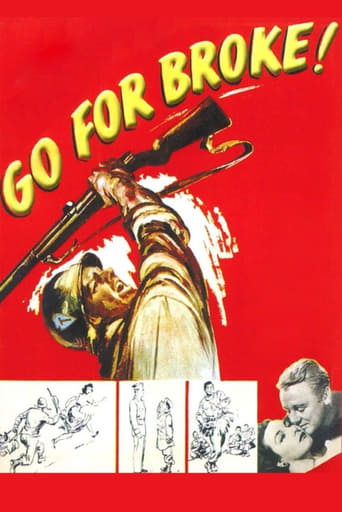
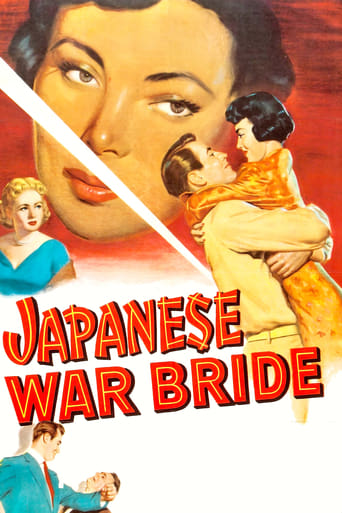
Japanese-American actor who had a brief but impactful career in Hollywood during the early 1950s, most notably appearing in films that addressed the Japanese-American experience during and after World War II. Born in California in 1925, Nakano — Nisei (second-generation Japanese-American) who experienced the profound challenges of his era, including internment during World War II. He served with distinction in the U.S. Army's 442nd Regimental Combat Team, the most decorated unit in American military history, which became the subject of his most famous film. After the war, while working in a flower shop, he was discovered by director Robert Pirosh, who cast him in 'Go for Broke!' (1951), a film that celebrated the heroism of Japanese-American soldiers. Nakano's authentic performance as Private Sam brought credibility and emotional depth to the production. He followed this success with a role in 'Japanese War Bride' (1952), another film dealing with post-war racial and cultural tensions. Despite his promising start, Nakano's acting career remained limited to these two significant films, after which he transitioned to other professional endeavors while remaining an important figure in Japanese-American cinema history.
The Craft
On Screen
Nakano's acting style was characterized by its naturalism and authenticity, drawing from his real-life experiences as a Japanese-American soldier and former internee. His performances were understated yet emotionally resonant, avoiding stereotypical portrayals common in Hollywood at the time. He brought a quiet dignity to his roles, effectively conveying the complex emotions of Japanese Americans navigating prejudice and proving their loyalty during a tumultuous period in American history.
Milestones
- Starred in 'Go for Broke!' (1951) portraying a Japanese-American soldier in the 442nd Regimental Combat Team
- Appeared in 'Japanese War Bride' (1952) addressing post-war racial themes
- Became one of the first Japanese-American actors to play substantive roles in Hollywood
- Brought authentic representation to Japanese-American experiences in mainstream cinema
Best Known For
Iconic Roles
Must-See Films
Accolades
Special Recognition
- Recognized as a pioneer for Japanese-American representation in Hollywood
- Honored by Japanese-American community organizations for his contributions to cultural understanding
Working Relationships
Worked Often With
Studios
Why They Matter
Impact on Culture
Lane Nakano's cultural impact extends far beyond his brief filmography, as he represented a breakthrough moment for Japanese-American representation in mainstream Hollywood. At a time when Asian actors were typically relegated to stereotypical or villainous roles, Nakano portrayed complex, heroic Japanese-American characters who embodied patriotism, sacrifice, and the struggle for acceptance in post-war America. His role in 'Go for Broke!' was particularly significant, as it celebrated the contributions of the 442nd Regimental Combat Team at a time when their heroism was not widely recognized. Nakano's authentic presence on screen helped challenge prevailing prejudices and opened doors for future generations of Asian-American actors. His work contributed to the broader civil rights movement by humanizing the Japanese-American experience and reminding audiences of the community's unwavering loyalty to the United States despite facing discrimination and internment.
Lasting Legacy
Lane Nakano's legacy endures as a figure in Asian-American cinema history and as a symbol of the Japanese-American experience during one of the community's most challenging periods. Though his film career was brief, his performances in 'Go for Broke!' and 'Japanese War Bride' remain important cultural artifacts that document the struggles and triumphs of Japanese Americans in the mid-20th century. He is remembered as one of the first Japanese-American actors to play substantive, non-stereotypical roles in major Hollywood productions, paving the way for future generations. His story also shows the resilience of Japanese Americans who, despite facing internment and discrimination, served their country with distinction and contributed to American culture and society. Nakano's legacy is celebrated by Japanese-American community organizations and film historians who recognize his role in advancing representation and understanding.
Who They Inspired
Lane Nakano influenced subsequent generations of Asian-American actors by demonstrating that authentic, nuanced portrayals of Asian characters were possible in mainstream Hollywood. His success in 'Go for Broke!' helped prove that films with predominantly Asian casts could find commercial success and critical acclaim. While his direct influence on individual actors was limited by his brief career, his work inspired filmmakers and performers who followed, showing that stories about the Asian-American experience deserved to be told on screen. His portrayal of Japanese-American soldiers helped challenge stereotypes and contributed to a gradual shift in how Asian characters were represented in American cinema, influencing more diverse and authentic casting decisions in the decades that followed.
Off Screen
Japanese-American who experienced the full spectrum of his community's challenges during the mid-20th century. During World War II, he and his family were forcibly relocated to an internment camp as part of the U.S. Government's policy toward Japanese Americans. Despite this injustice, Nakano volunteered for military service and joined the 442nd Regimental Combat Team, serving with distinction. After his brief acting career, he returned to civilian life and worked in various professions, including floral design, the field he was working in when discovered for his film roles. He remained connected to the Japanese-American community throughout his life, participating in veteran reunions and cultural events. Nakano passed away in 2005 at the age of 79, leaving behind a legacy as one of the first Japanese-American actors to break into mainstream Hollywood during a time of significant racial barriers.
Education
Information about formal education not publicly available, though he received military training as part of his service in the U.S. Army's 442nd Regimental Combat Team
Family
- Information not publicly available
Did You Know?
- Was working in a flower shop when discovered by director Robert Pirosh
- Served in the real 442nd Regimental Combat Team before portraying its members in 'Go for Broke!'
- Was incarcerated in a Japanese-American internment camp during World War II
- His film career consisted of only two movies, both released within a year of each other
- Was one of the few Japanese-American actors to play leading roles in Hollywood during the 1950s
- The 442nd Regimental Combat Team he portrayed became the most decorated unit in U.S. Military history
- was one of the first Hollywood films to feature a predominantly Asian-American cast in heroic roles
- After his acting career, he returned to work in floral design
- His real-life military experience brought authenticity to his portrayal of a soldier
- His films were among the first to address the topic of Japanese-American internment and its aftermath
In Their Own Words
No widely documented quotes from Lane Nakano are available in public records
Frequently Asked Questions
Who was Lane Nakano?
Screen credits include two significant films in the early 1950s, 'Go for Broke!' (1951) and 'Japanese War Bride' (1952). He was also a veteran of the U.S. Army's 442nd Regimental Combat Team and had been incarcerated in a Japanese-American internment camp during World War II.
What films is Lane Nakano best known for?
Titles linked here include Go for Broke! (1951), Japanese War Bride (1952).
When was Lane Nakano born and when did he die?
Born November 15, 1925; died August 28, 2005.
What awards did Lane Nakano win?
While Lane Nakano did not receive major industry awards for his acting, he is recognized and honored by Japanese-American community organizations for his role in bringing authentic representation to Hollywood and for his service in the 442nd Regimental Combat Team.
What was Lane Nakano's acting style?
Lane Nakano's acting style was characterized by naturalism and authenticity, drawing from his real-life experiences as a Japanese-American soldier and former internee. His performances were understated yet emotionally resonant, avoiding the stereotypical portrayals common in Hollywood at the time.
How did Lane Nakano get into acting?
Lane Nakano was discovered by director Robert Pirosh while working in a flower shop after World War II. Pirosh was looking for authentic Japanese-American actors for his film 'Go for Broke!' about the 442nd Regimental Combat Team and cast Nakano in a significant role.
What was Lane Nakano's connection to the 442nd Regimental Combat Team?
Veteran of the actual 442nd Regimental Combat Team, the most decorated unit in U.S. Military history, which consisted primarily of Japanese-American soldiers. He later portrayed members of this unit in the film 'Go for Broke!', bringing authentic experience to his performance.