Félicien Trewey
Actor
Born: May 23, 1848 in Paris, France Died: December 2, 1920 Active: 1895-1896 (film), 1860s-1910s (stage performance)
Films
4 films
About Félicien Trewey
French performer who transitioned from stage magic to become one of the earliest film actors in cinema history. Working primarily with the Lumière brothers during the birth of cinema, Trewey appeared in several of their short films between 1895 and 1896. Before his film career, he was an accomplished magician and entertainer known for his sleight of hand and novelty acts. His collaboration with the Lumières helped demonstrate the new medium's potential for capturing performance art. Trewey's film appearances, though brief, were significant as they represented some of the first instances of performance art being captured on motion picture film. His work in films like 'Transformation by Hats' and 'Writing Backwards' showcased his magical abilities to early cinema audiences. After his brief film career, Trewey continued his work as a stage performer, leaving behind a small but important legacy as one of cinema's first actors.
The Craft
On Screen
Trewey's performance style was rooted in his background as a stage magician, characterized by precise hand movements, visual trickery, and direct engagement with the camera. His performances were theatrical yet intimate, adapting his stage magic techniques for the close-up perspective of early cinema. He specialized in visual illusions and novelty acts that translated well to the new medium of film.
Milestones
- Pioneer of early cinema performance
- Collaborator with the Lumière brothers
- Transition from stage magic to film
- Appeared in some of the first motion pictures ever made
- Demonstrated film's potential for capturing performance art
Best Known For
Iconic Roles
Must-See Films
Accolades
Special Recognition
- Recognized as one of cinema's first performers
- Honored in early cinema retrospectives
Working Relationships
Worked Often With
Studios
Why They Matter
Impact on Culture
Félicien Trewey's contribution to cinema, though brief, was culturally significant as it helped establish the foundation for performance in motion pictures. His work with the Lumière brothers demonstrated how traditional stage entertainment could be adapted to the new medium of film, influencing how performers would approach acting for the camera. As one of the first people to be captured performing magic tricks on film, Trewey helped pave the way for future generations of performers who would use cinema to showcase their talents. His films served as early examples of how visual effects and performance art could be combined in cinema, a concept that would become fundamental to the film industry.
Lasting Legacy
Félicien Trewey's legacy lies in his role as a bridge between 19th-century stage entertainment and 20th-century cinema. While his filmography consists of only a handful of short films, these works represent crucial early examples of performance art in motion pictures. His collaboration with the Lumière brothers helped demonstrate the commercial and artistic potential of film as a medium for entertainment beyond mere actualities. Today, film historians recognize Trewey as an important figure in the transition from stage to screen, and his surviving films are studied as valuable artifacts of early cinema history.
Who They Inspired
Trewey influenced early cinema by demonstrating how performance techniques from stage magic could be adapted for film. His work showed early filmmakers and performers the unique possibilities of the camera for capturing visual tricks and illusions. While he may not have directly mentored specific individuals, his films served as inspiration for early cinema performers and helped establish conventions for screen performance that would evolve over the following decades.
Off Screen
Félicien Trewey led a life dedicated to performance and entertainment. Born in Paris in 1848, he developed his skills as a magician and entertainer during the golden age of stage magic in France. His active years covered from the 1860s through the early 20th century, during which he became known for his innovative magic tricks and performance style. While specific details about his family life are scarce, it is known that he remained active in the entertainment industry until his death in 1920.
Education
Details about formal education are not documented, though he likely received training in performance arts and magic through apprenticeships common in 19th-century entertainment circles.
Family
- Unknown
Did You Know?
- One of the first actors to appear in motion pictures
- Worked directly with the Lumière brothers, cinema pioneers
- His films were typically less than one minute long
- Specialized in magic tricks that were well-suited to early camera technology
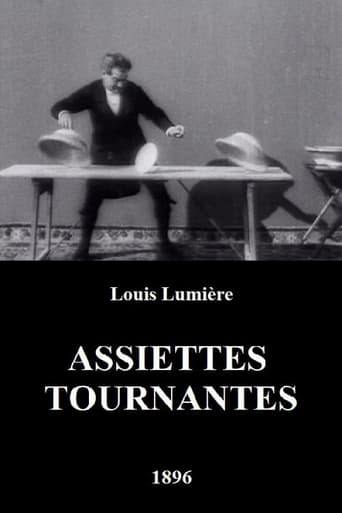
- Appeared in 'Assiettes tournantes' (Spinning Plates), showcasing his physical comedy skills
- His film 'Writing Backwards' demonstrated his ambidextrous abilities
- Transitioned from a successful stage career to become an early film star
- His performances helped prove that film could capture complex performances, not just simple scenes
- Part of the first generation of performers to understand and adapt to the new medium of cinema
- His magical performances were among the earliest examples of special effects in cinema
In Their Own Words
While direct quotes from Trewey are scarce, his performances spoke through the universal language of visual magic and entertainment.
Frequently Asked Questions
Who was Félicien Trewey?
French magician and performer who became one of the first with credits in this catalog. He transitioned from stage magic to appear in some of the earliest motion pictures ever made, helping demonstrate film's potential for capturing performance art.
What films is Félicien Trewey best known for?
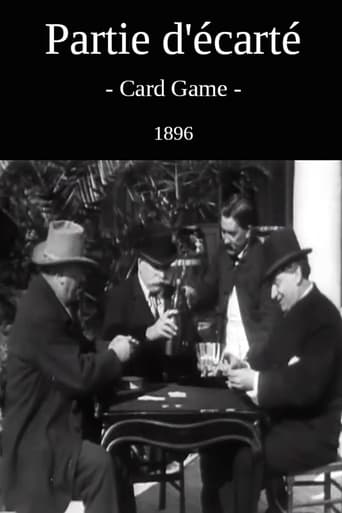
Titles linked here include Transformation by Hats (1895), The Card Game (1896).
When was Félicien Trewey born and when did he die?
Born May 23, 1848; died December 2, 1920.
What awards did Félicien Trewey win?
As an early cinema pioneer, Félicien Trewey did not receive formal awards during his lifetime, as the film industry's award systems had not yet been established. His recognition comes from his historical importance as one of cinema's first performers.
What was Félicien Trewey's acting style?
Trewey's performance style was rooted in his background as a stage magician, featuring precise hand movements, visual illusions, and direct engagement with the camera. He adapted his stage magic techniques for the intimate perspective of early cinema, specializing in visual tricks that translated well to film.