Klavdiya Koreneva
Actor
Born: 1910 in Moscow, Russian Empire Died: null Active: 1938-1945 Birth Name: Klavdiya Ivanovna Koreneva
Films
3 films
About Klavdiya Koreneva
Soviet actress who primarily worked during the late 1930s and early 1940s, specializing in fairy tale and fantasy films. She emerged during a significant period in Soviet cinema when the state heavily promoted films based on Russian folklore and literature. Her most notable work came during World War II, a time when Soviet cinema was increasingly used for patriotic and cultural purposes. Koreneva appeared in several important adaptations of classic Russian fairy tales, working with prominent Soviet directors of the era. Her career appears to have been concentrated in the mid-to-late 1930s through the mid-1940s, coinciding with the Stalinist era of Soviet filmmaking. While her filmography was relatively brief, she contributed to some of the most culturally significant Soviet fantasy productions of her time. Her performances helped establish the visual and performance style that would characterize Soviet fairy tale films for decades.
The Craft
On Screen
Koreneva's acting style was characteristic of Soviet theatrical tradition, with exaggerated gestures and clear enunciation suitable for fantasy narratives. Her performances emphasized the archetypal nature of fairy tale characters, using broad expressions and melodramatic timing that was standard in Soviet cinema of the 1930s-40s. She embodied the idealized Soviet approach to folklore adaptation, balancing traditional storytelling with contemporary ideological undertones.
Milestones
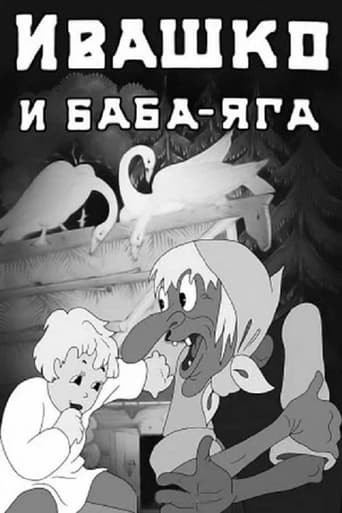
- Debut in Ivashko and Baba-Yaga (1938)
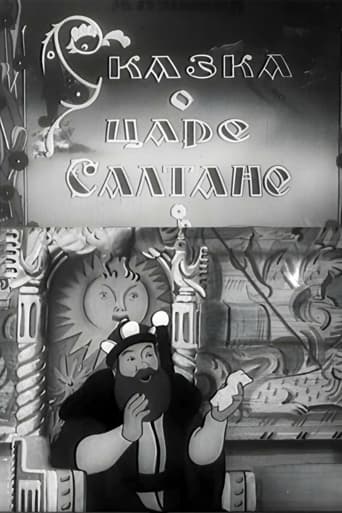
- Featured role in The Tale of Tsar Saltan (1943)
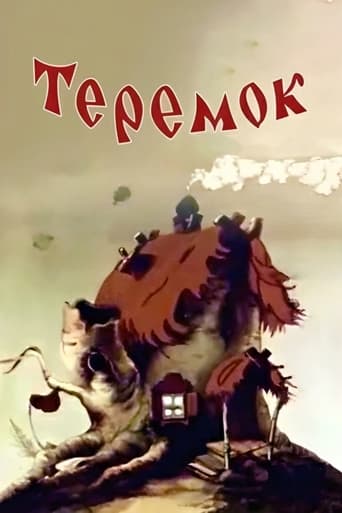
- Performance in Teremok (1945)
- Work in Soviet fantasy/fairy tale genre during WWII era
Best Known For
Iconic Roles
Must-See Films
Working Relationships
Worked Often With
Studios
Why They Matter
Impact on Culture
Klavdiya Koreneva contributed to the development of the Soviet fairy tale film genre, which became a significant cultural export for the USSR during and after World War II. Her work in adaptations of Russian folklore helped establish the visual and performative conventions that would define Soviet fantasy cinema for decades. These films served both entertainment and ideological purposes, presenting Russian cultural heritage in ways that aligned with Soviet values while maintaining international appeal through their universal fairy tale themes.
Lasting Legacy
While Koreneva herself may not be widely remembered individually, her films represent an important chapter in Soviet cinema history. The fairy tale films she appeared in, particularly 'The Tale of Tsar Saltan,' remain classics of Russian cinema and continue to be referenced in discussions of Soviet cultural production. Her work exemplifies how Soviet cinema adapted traditional Russian folklore for contemporary audiences, creating a distinctive style that influenced subsequent generations of Soviet and Russian filmmakers.
Who They Inspired
Koreneva's performances contributed to the established acting style for Soviet fantasy films, influencing how actors approached fairy tale characters in subsequent productions. The films she participated in helped create a template for how Soviet cinema could successfully adapt literary classics while serving both artistic and political functions.
Off Screen
Very limited information is available about Koreneva's personal life, which was not uncommon for Soviet actors of her generation who often maintained private lives separate from their public personas. Her career coincided with.
Education
Likely trained at Soviet acting institutions, though specific details are not documented in available sources
Family
- null
Did You Know?
- Her film career was brief but concentrated during a crucial period of Soviet cinema
- She worked exclusively in the fantasy/fairy tale genre
- Her active years covered the World War II period, a significant time for Soviet cultural production
- The Tale of Tsar Saltan (1943) was
- Soviet fairy tale films of this era were often used to promote Russian cultural identity
- Her films were made when Soviet cinema was under strict state control
- The 1940s marked a golden age for Soviet fantasy film adaptations
- Many details about Soviet actors of this period remain undocumented in Western sources
In Their Own Words
null
Frequently Asked Questions
Who was Klavdiya Koreneva?
Soviet actress active during the late 1930s and early 1940s, known primarily for her roles in fantasy and fairy tale films. She appeared in several significant Soviet adaptations of Russian folklore during the World War II era.
What films is Klavdiya Koreneva best known for?
Titles linked here include The Tale of Tsar Saltan (1943), Ivashko and Baba-Yaga (1938).
When was Klavdiya Koreneva born?
Born 1910; died null.
What was Klavdiya Koreneva's acting style?
Her acting style was characteristic of Soviet theatrical tradition, featuring exaggerated gestures and clear enunciation suitable for fantasy narratives. She embodied the archetypal nature of fairy tale characters with broad expressions and melodramatic timing typical of 1930s-40s Soviet cinema.
What was the cultural impact of Klavdiya Koreneva's work?
Her work contributed to establishing the Soviet fairy tale film genre, which became an important cultural export for the USSR. These films presented Russian cultural heritage in ways that aligned with Soviet values while maintaining international appeal through universal fairy tale themes.