Jed Prouty
Actor
Born: November 6, 1879 in Boston, Massachusetts, USA Died: April 28, 1951 Active: 1926-1941
Films
4 films
About Jed Prouty
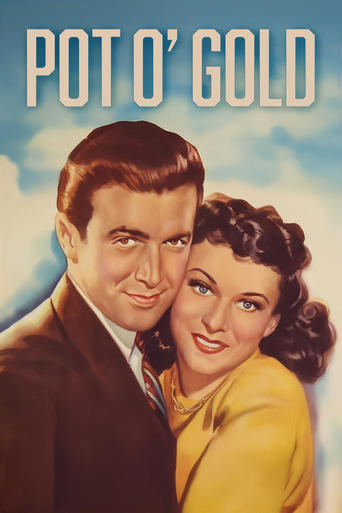
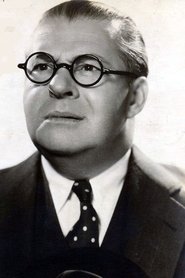
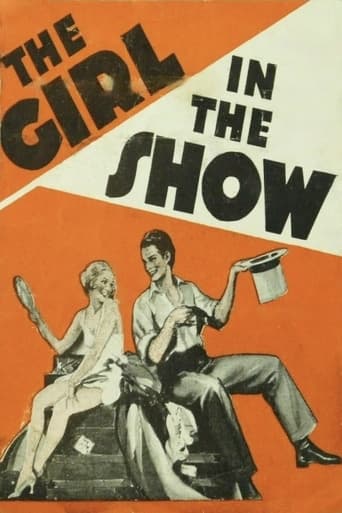
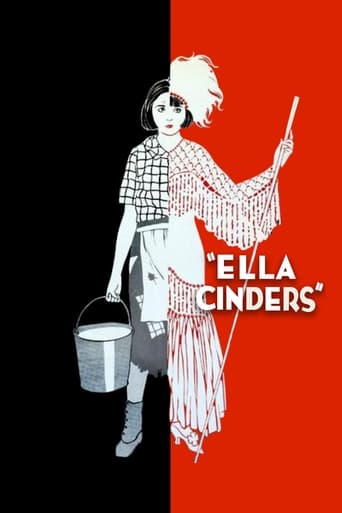
Prolific American character actor: the crucial transition period from silent films to sound cinema in Hollywood. Beginning his film career in the mid-1920s, Prouty quickly established himself as a reliable supporting player, often cast as businessmen, fathers, or authority figures in both comedies and dramas. His most notable work included appearances in popular films such as 'Ella Cinders' (1926) starring Colleen Moore, where he demonstrated his ability to adapt to the silent medium with expressive physical comedy. As the industry transitioned to talkies in the late 1920s, Prouty successfully made the leap, appearing in early sound films like 'The Girl in the Show' (1929), showcasing his adaptable vocal talents. Throughout the 1930s, he continued working steadily, often uncredited, in numerous productions for major studios, becoming a familiar face to movie audiences of the era. His final notable appearance came in 'Pot o' Gold' (1941) starring James Stewart and Paulette Goddard, marking the end of his 15-year film career. Prouty retired from acting in the early 1940s, leaving behind a legacy of over 100 film appearances that contributed to the Golden Age Hollywood cinema.
The Craft
On Screen
Jed Prouty was known for his naturalistic and understated acting style, which made him particularly effective as a supporting character actor. He specialized in portraying respectable middle-class figures such as businessmen, bankers, fathers, and government officials with an air of authenticity and reliability. His performances were characterized by a calm demeanor and precise delivery, which made him a perfect foil for more flamboyant leading actors. In comedy roles, he employed subtle timing and dry wit rather than broad slapstick, allowing him to seamlessly blend into both dramatic and comedic productions.
Milestones
- Appeared in the silent comedy classic 'Ella Cinders' (1926)
- Successfully transitioned from silent films to talkies
- Worked with major stars including James Stewart and Paulette Goddard in 'Pot o' Gold' (1941)
- Appeared in over 100 films during his 15-year career
- Became a familiar character actor in Hollywood's Golden Age
Best Known For
Iconic Roles
Must-See Films
Working Relationships
Worked Often With
Studios
Why They Matter
Impact on Culture
Jed Prouty's contribution to cinema, while not headline-grabbing, represents the essential foundation upon which Golden Age Hollywood was built. As one of the countless reliable character actors who populated hundreds of films, Prouty helped create the authentic worlds that audiences came to expect from studio productions. His ability to seamlessly transition between silent and sound films exemplified the adaptability required of actors during this pivotal period in film history. Prouty's performances as authority figures and middle-class Americans reflected and reinforced the cultural values of his era, providing audiences with familiar and reassuring presences on screen. His work in films like 'Ella Cinders' helped preserve the art of silent comedy for future generations, while his talkie appearances demonstrated how character acting evolved with new technology.
Lasting Legacy
Jed Prouty's legacy lies in his embodiment of the unsung heroes of Hollywood's Golden Age - the reliable character actors who gave depth and authenticity to hundreds of classic films. While never achieving star status, his consistent performances across more than a decade of rapid change in the film industry demonstrate the professionalism and adaptability that characterized the best studio system actors. His filmography serves as a valuable record of the types of supporting roles that were crucial to the success of both silent and early sound productions. Today, film historians and classic cinema enthusiasts recognize Prouty as representative of the talented ensemble players who made Hollywood's golden era possible, his work preserved in the many classic films that continue to be celebrated and studied.
Who They Inspired
Jed Prouty's influence was primarily through his example of professionalism and versatility as a character actor during a transformative period in cinema history. His successful transition from silent to sound films provided a model for other supporting actors facing similar challenges. While he didn't mentor specific individuals who went on to fame, his consistent work ethic and adaptable acting style influenced the studio system's approach to character casting. His naturalistic portrayal of middle-class authority figures helped establish archetypes that would be refined by subsequent generations of character actors. Prouty's career demonstrated the value of reliability and adaptability in an industry that was rapidly evolving technologically and artistically.
Off Screen
Jed Prouty led a relatively private life away from the Hollywood spotlight, maintaining a low profile despite his extensive film career. He married actress Ruth Taylor in 1925, with whom he had two children, including their daughter Barbara, who would later become known as the writer Barbara Seaman. The family resided in Los Angeles during Prouty's active years in Hollywood. After retiring from acting in the early 1940s, Prouty lived a quiet life with his family until his death in 1951 at the age of 71.
Education
Limited information available about his formal education, though he likely received standard education for the period in Boston
Family
- Ruth Taylor (1925-1951)
Did You Know?
- Appeared in over 100 films during his 15-year career, though many were uncredited
- Successfully made the transition from silent films to talkies, a feat many actors of his generation failed to achieve
- Married actress Ruth Taylor, who starred in the 1928 film 'Gentlemen Prefer Blondes'
- His daughter Barbara Prouty became known as Barbara Seaman, a prominent feminist writer and activist
- Often played bankers, businessmen, and other authority figures due to his dignified appearance and demeanor
- Worked during the height of the studio system era, appearing in films for multiple major studios
- His final film appearance was in 'Pot o' Gold' (1941), which featured James Stewart in a rare musical role
- Despite his extensive filmography, he rarely received screen credit, typical of character actors of his era
- Began his film career relatively late in life at age 47, during the silent era
- Retired from acting just as the United States entered World War II
In Their Own Words
No widely documented quotes from Jed Prouty are available in historical records, as was common for supporting character actors of his era who rarely gave interviews or had their words preserved in print
Frequently Asked Questions
Who was Jed Prouty?
Screen credits include over 100 films during Hollywood's transition from silent to sound cinema between 1926 and 1941. He was known for playing authority figures, businessmen, and father roles in both comedies and dramas, becoming a familiar supporting presence in Golden Age Hollywood productions.
What films is Jed Prouty best known for?
Titles linked here include Ella Cinders (1926), The Girl in the Show (1929).
When was Jed Prouty born and when did he die?
Born November 6, 1879; died April 28, 1951.
What awards did Jed Prouty win?
Jed Prouty did not receive any major awards or nominations during his career, which was typical for character actors of his era who often worked uncredited and were not recognized by award ceremonies despite their significant contributions to films.
What was Jed Prouty's acting style?
Jed Prouty was known for his naturalistic and understated acting style, specializing in portraying respectable middle-class figures with authenticity. His performances were characterized by a calm demeanor and precise delivery, making him particularly effective as a supporting actor in both dramatic and comedic roles.