Films
2 films
About Mykola Makarenko
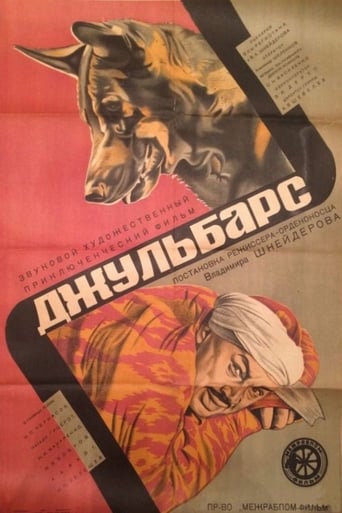
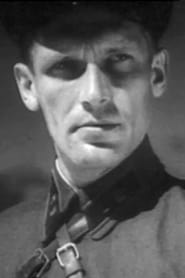
Soviet actor active during the 1930s and early 1940s, appearing primarily in films produced during Stalin's era of Soviet cinema. His the period when Soviet film industry was establishing itself as a powerful medium for socialist realism and propaganda. Makarenko appeared in 'Dzhulbars' in 1935, which was during the height of Soviet cinema's first golden age. His final known film appearance was in 'Prairie Station' in 1941, the year Germany invaded the Soviet Union, which likely disrupted his career as it did many artists of the time. Like many Soviet actors of his generation, his work was shaped by the strict artistic guidelines imposed by the state, and his performances would have been subject to approval by Soviet cultural authorities. His brief filmography suggests he may have been a character actor rather than a leading star, which was common for many talented performers in the Soviet system.
The Craft
Milestones
- Appeared in 'Dzhulbars' (1935)
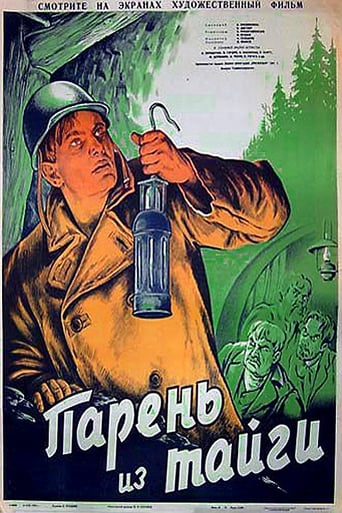
- Appeared in 'Prairie Station' (1941)
Best Known For
Must-See Films
Why They Matter
Impact on Culture
Mykola Makarenko represents the generation of Soviet actors who worked during the transitional period between silent films and the establishment of Soviet sound cinema. His participation in films during the 1930s places him within the context of Soviet cinema's development under socialist realism, where actors were tasked with portraying idealized Soviet citizens and workers. While not a major star, his contributions to films like 'Dzhulbars' and 'Prairie Station' reflect the collective effort of Soviet artists to create a national cinema that served both artistic and ideological purposes during a critical period in Soviet history.
Lasting Legacy
Mykola Makarenko's legacy is preserved through his film appearances in two notable Soviet productions from the 1930s and early 1940s. As a working actor during this period, he contributed to the Soviet film industry's efforts to create cinema that reflected socialist values and Soviet life. His brief career, cut short by the outbreak of World War II, is representative of many Soviet actors whose work was interrupted by historical circumstances. While detailed records of his life and career may be limited, his filmography serves as historical documentation of Soviet cinema during one of its most significant developmental periods.
Did You Know?
- Appeared in Soviet films during the Stalin era
- Active years covered from 1935 to 1941
- Last known film appearance was the year Germany invaded the Soviet Union
- Worked during the period when socialist realism dominated Soviet arts
- Filmography includes only two known surviving credits
- Name Mykola is the Ukrainian form of Nicholas
- Likely worked for Soviet state film studios
- Career coincided with the golden age of Soviet cinema
Frequently Asked Questions
Who was Mykola Makarenko?
Soviet with credits in this catalog. He worked during the period when Soviet cinema was establishing itself under the principles of socialist realism.
What films is Mykola Makarenko best known for?
Titles linked here include Dzhulbars (1935), Prairie Station (1941).
When was Mykola Makarenko born and when did he die?
Specific birth and death dates for Mykola Makarenko are not readily available in historical records. His active period as an actor is documented from 1935 to 1941, suggesting he was working as an adult during this time.
What awards did Mykola Makarenko win?
There are no documented awards or honors specifically attributed to Mykola Makarenko. As a character actor working in Soviet cinema during the 1930s-40s, he may not have received the high-profile recognition given to leading stars of the era.
What was Mykola Makarenko's acting style?
While specific details about Makarenko's acting style are not documented, as a Soviet actor during the 1930s-40s he would have worked within the constraints of socialist realism. This style emphasized clear, moralistic portrayals that served ideological purposes, with performances designed to be easily understood by mass audiences.