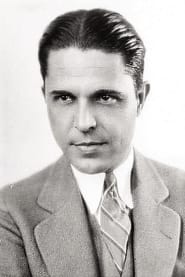
Malcolm McGregor
Actor
Born: May 13, 1890 in Newark, New Jersey, USA Died: April 29, 1945 Active: 1915-1934 Birth Name: Malcolm MacGregor
Films
2 films
About Malcolm McGregor
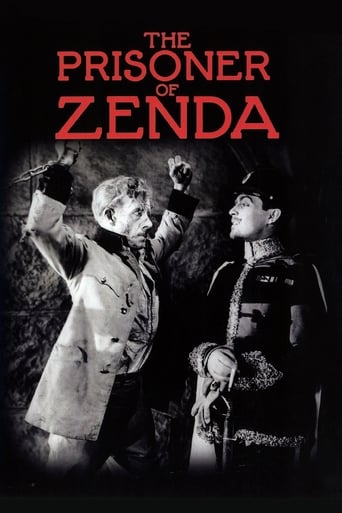
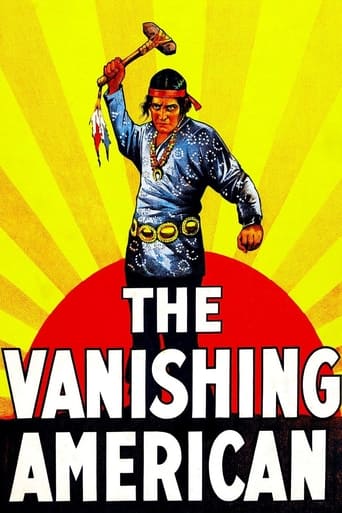
prominent leading man of the silent film era — known for his handsome features and commanding screen presence. Born in Newark, New Jersey, he began his film career in the mid-1910s and quickly rose to prominence as a romantic hero in numerous productions. His breakthrough came with starring roles in major productions like 'The Prisoner of Zenda' (1922) where he played Rudolf Rassendyll opposite Alice Terry, and 'The Vanishing American' (1925) directed by George B. Seitz. McGregor worked with some of the era's most respected directors and appeared alongside many of silent cinema's biggest stars. He was particularly adept at swashbuckling roles and romantic dramas, embodying the ideal leading man of the 1920s. Like many silent stars, McGregor's career faltered with the advent of sound, though he continued appearing in smaller roles through the early 1930s before retiring from the industry.
The Craft
On Screen
McGregor embodied the classic silent era leading man with his tall, athletic build and expressive eyes. He specialized in romantic heroes and swashbuckling characters, using exaggerated gestures and intense facial expressions typical of the period. His performances were characterized by a dignified, aristocratic presence that made him particularly suited for period pieces and adventure films.
Milestones
- Starred in 'The Prisoner of Zenda' (1922) as Rudolf Rassendyll
- Played leading role in 'The Vanishing American' (1925)
- Appeared in Cecil B. DeMille's 'The Ten Commandments' (1923)
- Co-starred with Rudolph Valentino in 'The Eagle' (1925)
- Leading man opposite Pola Negri in 'The Spanish Dancer' (1923)
Best Known For
Iconic Roles
Must-See Films
Accolades
Special Recognition
- Hollywood Walk of Fame star (Motion Pictures)
Working Relationships
Worked Often With
Studios
Why They Matter
Impact on Culture
Malcolm McGregor represented the archetypal romantic hero of the silent era, contributing to the development of the leading man archetype in American cinema. His performances in major productions helped establish the visual language of romantic storytelling in silent films. His work in adaptations of literary classics like 'The Prisoner of Zenda' demonstrated how classic literature could be successfully translated to the silent medium, influencing subsequent adaptations.
Lasting Legacy
Though largely forgotten by modern audiences, McGregor — significant figure in silent cinema who worked alongside some of the era's biggest stars and directors. His films, particularly 'The Prisoner of Zenda' and 'The Vanishing American', remain important examples of 1920s Hollywood production values and storytelling techniques. His career trajectory illustrates the challenges faced by many silent actors during the transition to sound films, making his story representative of a pivotal era in film history.
Who They Inspired
McGregor's dignified and athletic approach to leading roles influenced subsequent generations of action and romance stars. His work in swashbuckling films helped establish conventions that would later be refined by actors like Errol Flynn and Douglas Fairbanks Jr. His ability to convey complex emotions through silent techniques demonstrated the artistic possibilities of non-verbal performance in cinema.
Off Screen
McGregor was married twice during his lifetime. His first marriage was to actress Pauline Starke in 1927, which ended in divorce in 1930. He later married Dorothy S. Campbell in 1936. After retiring from films, McGregor lived a relatively private life in Hollywood. He struggled with health issues in his later years and passed away at age 54 in Hollywood. His death came just as the film industry was beginning to rediscover and appreciate the stars of the silent era.
Education
Educated in Newark, New Jersey; attended local schools before pursuing acting career
Family
- Pauline Starke (1927-1930)
- Dorothy S. Campbell (1936-1945)
Did You Know?
- His birth name was spelled 'MacGregor' but he used 'McGregor' professionally
- He stood 6'2" tall, making him an imposing presence on screen
- Was considered for the lead in 'The Sheik' (1921) before it went to Rudolph Valentino
- Served in World War I before beginning his film career
- Was an accomplished horseman, which served him well in his many adventure films
- His voice was reportedly not well-suited for sound films, contributing to his career decline
- Made over 50 films during his career, though many are now lost
- Was a popular subject for film magazines and fan publications during the 1920s
- Appeared in both American and European productions
- Was friends with fellow silent star John Gilbert
In Their Own Words
The silent screen demands more of an actor than the sound stage. Without words, every gesture, every glance must carry the weight of the story.
Frequently Asked Questions
Who was Malcolm McGregor?
Prominent American with credits in this catalog. He starred in major productions like 'The Prisoner of Zenda' and 'The Vanishing American' before his career declined with the advent of sound films.
What films is Malcolm McGregor best known for?
Titles linked here include The Prisoner of Zenda (1922), The Vanishing American (1925).
When was Malcolm McGregor born and when did he die?
Born May 13, 1890; died April 29, 1945.
What awards did Malcolm McGregor win?
While McGregor did not receive major acting awards during his career, he was honored with a star on the Hollywood Walk of Fame for his contributions to motion pictures, recognizing his status as a significant leading man of the silent era.
What was Malcolm McGregor's acting style?
McGregor embodied the classic silent era leading man style with his tall, athletic physique and expressive performance technique. He specialized in romantic heroes and swashbuckling characters, using the exaggerated gestures and intense facial expressions characteristic of silent film acting.
Why did Malcolm McGregor's career end?
McGregor's career declined primarily due to the transition from silent films to talkies in the late 1920s. Like many silent stars, he struggled to adapt to sound films, with industry executives reportedly feeling his voice and acting style were not suited for the new medium.