
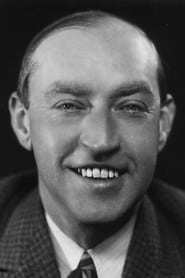
Bedřich Vrbský
Actor
- Born
- May 4, 1890, Prague, Austria-Hungary (now Czech Republic)
- Died
- February 23, 1966
- Active
- 1911-1965
- Birth name
- Bedřich Jan Wrbka
Films 1
About Bedřich Vrbský
Bedřich Vrbský was a distinguished Czech stage and film actor, playwright, and director whose career spanned over five decades of the 20th century. Born Bedřich Vrbka in Prague, he initially pursued a career in banking after graduating from a business academy, but his passion for the arts led him to the amateur stage in 1911. He turned professional in 1916 and became a cornerstone of the Vinohrady Theatre (Divadlo na Vinohradech) in 1919, where he remained a vital member for over forty years. Vrbský was celebrated for his refined, civil acting style and impeccable diction, which made him a favorite for sophisticated conversational comedies and authoritative roles. In the realm of cinema, he debuted in the silent era with 'Pan profesor, nepřítel žen' (1913) and transitioned seamlessly into talkies, often portraying police commissioners, factory owners, and high-ranking officials. Notably, he provided the voice for the father character in the Czech version of the internationally scandalous film 'Ecstasy' (1933). Beyond acting, he was a prolific playwright whose works, such as 'Zázračný lékař', were adapted into successful films, cementing his legacy as a multifaceted contributor to Czech cultural history.
More about Bedřich Vrbský
On screen
Vrbský was known for a highly refined and 'civil' acting style characterized by social grace and polished manners. He placed immense emphasis on the speed and sharpness of dialogue, as well as perfect pronunciation, which allowed him to excel in drawing-room comedies and intellectual roles. His screen presence was often described as authoritative yet understated, making him the ideal choice for characters representing the social elite or state authority.
Impact on culture
Bedřich Vrbský was a pillar of the 'Golden Age' of Czech theatre and cinema during the interwar period. His contribution to the Czech language version of 'Ecstasy' helped ground one of the most controversial and artistically significant films of the 1930s for local audiences. As a playwright, he provided material that bridged the gap between popular entertainment and high art, often satirizing the very bourgeois types he frequently portrayed on screen.
Lasting legacy
Vrbský is remembered as one of the most reliable and versatile character actors of the Czech screen. His transition from the silent era to the sound era serves as a textbook example of how theatrical training in diction and presence could be adapted for the microphone. His long tenure at the Vinohrady Theatre remains a significant chapter in the history of Czech dramatic arts, and his film roles continue to be studied for their precision and period authenticity.
Who they inspired
He influenced subsequent generations of Czech actors through his emphasis on technical mastery of speech and the 'civil' acting method, which moved away from the exaggerated gestures of the silent era toward a more naturalistic, yet still elevated, performance style.
Off screen
Vrbský was born into a middle-class family in Prague and originally worked as a clerk at the Prague Municipal Savings Bank before his artistic calling took over. He was deeply integrated into the Prague intellectual and artistic circles of the First Republic. He spent the majority of his life in Prague, where he was a respected figure in the theatrical community until his death in 1966.
Education
Graduated from the Business Academy (Obchodní akademie) in Prague.
Career milestones
- Joined the prestigious Vinohrady Theatre in 1919, remaining until 1961
- Voice actor for the Czech version of the landmark film 'Ecstasy' (1933)
- Authored the play 'Zázračný lékař', which was adapted into the film 'Její lékař' (1933)
- Portrayed the historical figure František Palacký in 'Za ranních červánků' (1934)
- Awarded the title of Meritorious Artist (Zasloužilý umělec) in 1957
- Successfully transitioned from silent film to sound, maintaining a prolific filmography through the 1960s
Iconic roles
- Eva's Father (Voice) in 'Ecstasy' (1933)
- František Palacký in 'Za ranních červánků' (1934)
- Lieutenant Colonel Kinzl in 'Pobočník jeho výsosti' (1933)
- Lord Goring in Oscar Wilde's 'An Ideal Husband' (Stage)
- Alfred Doolittle in George Bernard Shaw's 'Pygmalion' (Stage)
Must-see films
- Ecstasy (1933)
- The Good Soldier Schweik (1956)
- Krakatit (1948)
- Pobočník jeho výsosti (1933)
- Stříbrný vítr (1954)
- The Chintamani Carpet and a Swindler (1964)
Awards
- City of Prague Award (Cena ÚNV hlavního města Prahy) (1956)
- Meritorious Artist (Zasloužilý umělec) (1957)
Special recognition
- Honorary Member of the Vinohrady Theatre
- State recognition for his lifelong contribution to Czech theatre and film
Worked often with
- Gustav Machatý (Director)
- Zdeněk Štěpánek (Actor/Co-author)
- Hugo Haas (Actor/Director)
- Jiří Krejčík (Director)
- Vlasta Burian (Actor)
Studios
- Vinohrady Theatre
- Barrandov Studios
- National Theatre (Guest performer)
Did you know?
- He worked as a bank clerk for several years before becoming a professional actor.
- Though he appeared in 'Ecstasy', he only provided the voice for the father character in the Czech dub; the physical role was played by Leopold Kramer.
- He was a prolific writer of 'sketches' and short comedic pieces for the stage.
- His play 'Zázračný lékař' was a major hit and was adapted into film in 1933.
- He remained active in film until just two years before his death, with his final role being a judge in 1964.
- He performed as a guest at the National Theatre in Prague during the 1950s in plays by Oscar Wilde and George Bernard Shaw.
In their own words
Acting is not just about the face; it is about the rhythm of the word and the clarity of the thought behind it. (Context: Discussing his focus on diction in theatre.)
Questions and answers
Who was Bedřich Vrbský?
Bedřich Vrbský was a prominent Czech actor, playwright, and director, best known for his long career at the Vinohrady Theatre and his roles in classic Czech films of the 1930s-1950s.
What films is Bedřich Vrbský best known for?
He is best known for his work in 'Ecstasy' (1933), 'The Good Soldier Schweik' (1956), 'Krakatit' (1948), and 'Pobočník jeho výsosti' (1933).
When was Bedřich Vrbský born and when did he die?
He was born on May 4, 1890, in Prague and died on February 23, 1966, also in Prague.
What awards did Bedřich Vrbský win?
He was honored with the City of Prague Award in 1956 and the prestigious title of Meritorious Artist (Zasloužilý umělec) in 1957.
What was Bedřich Vrbský's acting style?
He was celebrated for a refined, 'civil' style that emphasized sharp dialogue, perfect diction, and a sophisticated, gentlemanly screen presence.