Films
3 films
About Patricia Palmer
Silent-era screen actress who worked during the 1910s and early 1920s, a period when film acting was rapidly shifting from stage-influenced performance to more naturalistic screen styles. She is documented in surviving filmographies as appearing in titles such as The Coward (1915) and Sand (1920), which places her career squarely in the formative years of American feature filmmaking. Like many performers of the silent period, she worked in an industry where credits were often incomplete, surviving records can be fragmentary, and much of an actor's career must be reconstructed from trade publications, surviving prints, and studio records. Because of this, detailed biographical information about her personal life, training, and later years is scarce in standard reference sources. What can be said with confidence is that she was part of the generation of actors who helped define screen performance before synchronized sound, contributing to the visual language and emotional directness of early cinema. Her screen presence belongs to the era when expressive gesture, facial nuance, and clear pictorial storytelling were essential to audience communication. Patricia Palmer remains a lesser-documented but still noteworthy participant in silent film history, preserved primarily through film credits and archival references.
The Craft
On Screen
Specific contemporary descriptions of Patricia Palmer's acting style are not readily available in surviving reference sources. Based on the silent-era context in which she worked, her performances would have relied on expressive facial acting, controlled gesture, and clear visual storytelling rather than spoken dialogue. Actors of her period often balanced theatrical projection with emerging screen naturalism, adapting to closer camera work and more intimate dramatic beats. Any precise assessment beyond that would require viewing surviving films and contemporaneous reviews.
Milestones
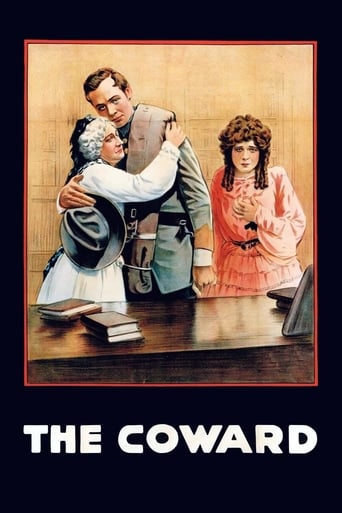
- Appeared in The Coward (1915), a title from the mid-1910s silent feature era that helps establish her early screen career
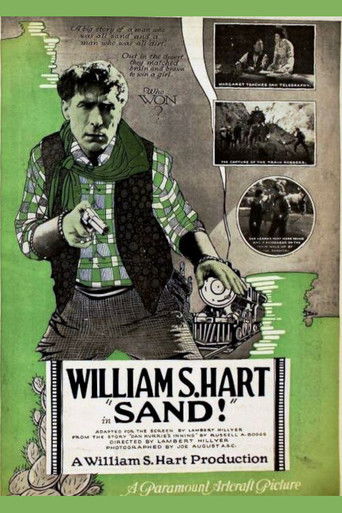
- Appeared in Sand (1920), showing continued activity into the post-World War I silent-film period
- Worked during the formative years of feature-length storytelling, when silent acting techniques were being refined for the camera
- Represents the body of lesser-known silent-era performers whose credits survive even when biographical records do not
- Contributed to early American cinema at a time when the studio system and star culture were rapidly developing
Best Known For
Iconic Roles
Must-See Films
Why They Matter
Impact on Culture
Patricia Palmer's cultural impact lies less in celebrity than in representation: she is one of many working silent-film actors whose performances helped establish the grammar of cinematic acting during Hollywood's earliest decades. Performers like Palmer made the transition from stage-based melodrama to camera-aware subtlety possible, even when their names were not preserved among the era's biggest stars. Her surviving credits remind researchers that silent film history was built not only by marquee legends but also by a broad workforce of supporting and featured players whose contributions shaped audience expectations for screen drama. In film-historical terms, she stands as part of the large but often under-credited community of early American film performers whose work forms the backbone of archival cinema study.
Lasting Legacy
Patricia Palmer's lasting legacy is primarily archival and historical. She is remembered through the credits of a small number of surviving or documented silent films, which allows modern databases and researchers to trace her participation in early feature filmmaking. Her name offers a point of entry into the broader study of silent-era actors whose careers were brief, lightly documented, or partially lost to time. For classic film historians, such figures are important because they illustrate how many artists contributed to the silent era beyond the handful of stars commonly cited today. In that sense, her legacy is tied to the preservation of film history itself: even limited records help reconstruct the collaborative world of early cinema.
Who They Inspired
There is no well-documented evidence that Patricia Palmer directly mentored major later stars or that she had a clearly traceable influence on named performers or directors. Her influence is best understood collectively, as part of the early generation of screen actors whose performance methods informed the silent-era tradition that later actors and filmmakers inherited. The close-up-driven emotional economy of silent acting, shaped by countless performers like Palmer, continued to influence film performance even after sound arrived. Her presence in early features contributes to the historical lineage of screen acting rather than to a single identifiable school or movement.
Off Screen
Reliable public information about Patricia Palmer's personal life is extremely limited in standard film references. Her birth and death details, family background, marriages, and later years are not clearly documented in the readily available historical record used for mainstream cinema databases. As with many silent-era players, her career survives more clearly than her private biography, and some archival records may exist only in trade directories, newspaper notices, or studio paperwork. Without stronger source confirmation, it would be speculative to assign spouses, children, or educational background.
Did You Know?
- Patricia Palmer's known filmography places her in the silent era, not the later sound era.
- She is documented in The Coward (1915) and Sand (1920), showing at least a five-year span of screen work.
- Many silent-era performers like Palmer are difficult to research because studio and fan-magazine records are incomplete or lost.
- Her career is a reminder that early film history includes many working actors whose names are preserved even when detailed biographies are not.
- Because silent films depended heavily on visual storytelling, actors of her period needed strong physical expressiveness.
- Her surviving credit trail is useful to archivists studying cast lists and production histories from the 1910s and early 1920s.
- There is no widely documented awards history for her in standard reference sources, which is common for many actors of the silent period.
Frequently Asked Questions
Who was Patricia Palmer?
Silent-era film with credits in this catalog. She is documented in films such as The Coward (1915) and Sand (1920), placing her in the formative years of American feature cinema.
What films is Patricia Palmer best known for?
Titles linked here include The Coward (1915), Sand (1920).
When was Patricia Palmer born and when did she die?
Her birth and death dates are not readily available in standard reference sources consulted for classic film histories. This is not unusual for lesser-documented silent-era performers, whose personal records may be incomplete or hard to verify.
What awards did Patricia Palmer win?
No major awards or nominations are currently documented for Patricia Palmer in the available mainstream historical record. Many silent-era supporting performers worked before modern awards culture was fully established.
What was Patricia Palmer's acting style?
Her exact style is not specifically described in surviving reference material, but as a silent-era performer she would have relied on expressive facial acting, gesture, and visual clarity. Performers of her period often balanced stage-trained projection with the quieter realism that the camera rewarded.
What is Patricia Palmer's legacy in film history?
Her legacy is primarily historical and archival. She represents the many working actors who helped build silent cinema's performance style and whose names survive even when detailed biographies do not.