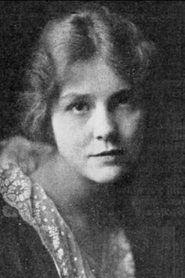
Agnes Vernon
Actor
Born: June 27, 1895 in La Grande, Oregon, USA Died: January 28, 1948 Active: 1914-1921 Birth Name: Agnes E. Vernon
Films
2 films
About Agnes Vernon
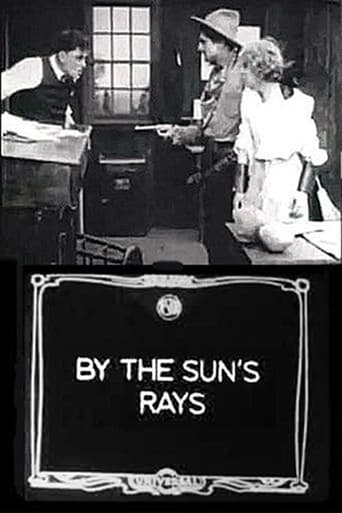
American silent film actress who rose to prominence during the mid-1910s, primarily known for her work in western films and melodramas. She began her career with Universal Pictures around 1914 and quickly became a popular leading lady, frequently appearing alongside Harry Carey in a series of successful westerns. Vernon's career peaked during the years 1915-1917, when she worked extensively with emerging director John Ford, who was then establishing his reputation in the western genre. She demonstrated remarkable versatility, appearing in everything from rugged westerns to romantic dramas and adventure serials. By the Sun's Rays (1914) marked one of her earliest notable performances, while Silks and Saddles (1921) represented one of her final film appearances before retirement. Her career, though relatively brief, spanned the crucial transitional period of American cinema's evolution from short films to feature-length productions. Vernon retired from acting in the early 1920s after marrying, leaving behind a legacy of over 50 film appearances that helped define the golden age of silent westerns.
The Craft
On Screen
Vernon embodied the classic silent era acting style characterized by expressive facial gestures and dramatic body language, particularly effective in the outdoor settings of western films. She specialized in portraying strong-willed frontier women who could hold their own alongside rugged male protagonists, bringing a blend of vulnerability and resilience to her characters. Her performances were noted for their natural quality compared to some of her contemporaries, with a screen presence that translated well across various genres from westerns to melodramas.
Milestones
- Film debut in By the Sun's Rays (1914)
- Leading lady in Universal Pictures western series
- Frequent collaborator with Harry Carey in western films
- Worked with director John Ford in his early career
- Starred in over 50 silent films during her career
- Retired after marriage in the early 1920s
Best Known For
Iconic Roles
Must-See Films
Accolades
Special Recognition
- Pioneer of silent film western genre
Working Relationships
Worked Often With
Studios
Why They Matter
Impact on Culture
Agnes Vernon contributed significantly to the development of the western genre during its formative years in American cinema, helping establish the archetype of the strong frontier woman alongside male western heroes. Her work with Universal Pictures during the mid-1910s coincided with the studio's emergence as a major force in western production, and her performances helped define the visual and narrative language of silent westerns. Though her career was relatively brief, her filmography represents an important bridge between the early short-form westerns and the more sophisticated feature-length westerns that would follow in the 1920s and beyond.
Lasting Legacy
Agnes Vernon's legacy lies in her substantial contribution to silent era western cinema, particularly her work in helping establish the Harry Carey western series that would influence the genre for decades. Her films, though many are now lost, represent important artifacts from the transitional period when American cinema was developing its unique visual language and genre conventions. As one of the few actresses who regularly appeared in westerns during this era, she helped pave the way for future generations of actresses in western films, demonstrating that women could be integral to the genre beyond traditional romantic interests.
Who They Inspired
Vernon's work influenced the development of female character archetypes in western films, showing that women could be active participants in frontier narratives rather than merely supporting characters. Her collaborations with John Ford during his formative years as a director contributed to the visual and narrative style that would later define classic western cinema. While she never achieved the lasting fame of some of her contemporaries, her body of work represents an important piece of the puzzle in understanding how the western genre evolved during the silent era.
Off Screen
Agnes Vernon married and retired from the film industry in the early 1920s, choosing to focus on her family life rather than continue her acting career. She lived the remainder of her life away from the Hollywood spotlight, maintaining a relatively private existence until her death in 1948 at the age of 52. Her decision to retire early was not uncommon among actresses of her era, many of whom left the industry upon marriage or as the film industry transitioned to sound.
Education
No formal acting training documented; likely learned through practical experience in the early film industry
Family
- Unknown (married early 1920s)
Did You Know?
- Appeared in over 50 silent films during her 7-year career
- Frequently worked with director John Ford before he became a legendary filmmaker
- Was part of Universal Pictures' stock company of actors
- Many of her films are now considered lost, a common fate for silent era productions
- Worked alongside legendary horror actor Lon Chaney in several films
- Her active years covered the crucial transition from short films to feature-length productions
- Was particularly popular in western films, a genre dominated by male actors
- Retired from acting at a relatively young age to focus on marriage
- Born in Oregon, which may have contributed to her authenticity in western roles
- Worked during the same period as other silent western stars like Tom Mix and William S. Hart
In Their Own Words
No documented famous quotes from Agnes Vernon, as was common for many silent film actors whose interviews and personal statements were not widely preserved
Frequently Asked Questions
Who was Agnes Vernon?
American silent film actress active from 1914 to 1921, best known for her work in western films and her collaborations with Universal Pictures. She appeared in over 50 films during her career, frequently working alongside Harry Carey and director John Ford in their early careers.
What films is Agnes Vernon best known for?
Titles linked here include By the Sun's Rays (1914), The Outlaw's Revenge (1915).
When was Agnes Vernon born and when did she die?
Born June 27, 1895; died January 28, 1948.
What awards did Agnes Vernon win?
Agnes Vernon did not receive any major formal awards during her career, which was common for actors in the silent era before the establishment of many modern award systems. Her recognition came primarily through her popularity with audiences and her prolific output during the 1910s.
What was Agnes Vernon's acting style?
Vernon employed the classic silent era acting style with expressive gestures and facial movements, particularly effective in western settings. She specialized in portraying strong frontier women and was known for bringing a natural quality to her performances compared to some contemporaries, with a screen presence that worked well across various genres.