
Manny Ziener
Actor
- Active
- 1913-1913
Films 2
About Manny Ziener
Manny Ziener was a little-documented German screen actor of the silent era, known from a very small surviving filmography that places him in 1913 productions. He is credited with appearances in The Life and Works of Richard Wagner (1913) and Hurra! Einquartierung! (1913), indicating that he was active at the height of pre-World War I German cinema. Beyond these credits, published biographical information about Ziener is extremely scarce, and no reliable record of his later life, training, or wider career has been firmly established in standard reference sources. Because of this, he is best understood as one of the many early film performers whose work survives in fragmentary historical records rather than as a widely documented star. His credited participation in a Wagner-related film suggests he may have been part of the early German cinematic culture that experimented with literary, operatic, and nationally significant subject matter. The absence of a larger surviving filmography may mean he worked briefly, used a variation of his name, or appeared in films that have since been lost or inadequately cataloged. In film history terms, Ziener remains a minor but authentic trace of the German silent film industry in its formative years.
More about Manny Ziener
In film history
Manny Ziener's cultural impact is difficult to measure because the surviving record of his work is extremely limited, and no broad body of performances has survived to define his public image. Nonetheless, his name has historical value because it connects modern researchers to the early German silent-film world of 1913, a period when cinema was rapidly developing from novelty entertainment into a serious cultural form. His appearance in a film connected to Richard Wagner is especially notable in the context of German cultural nationalism and the period's fascination with adapting prestigious subjects for the screen. Even obscure performers like Ziener contribute to the broader understanding of how early film industries assembled casts and approached literary or musical subjects. In that sense, his legacy lies not in stardom but in being part of the documentary fabric of silent-era cinema history.
Later reputation
Ziener's lasting legacy is essentially archival: he survives as a credited participant in early German silent cinema, a field where many names are now known only through fragmented records. His filmography is so small in the surviving record that he functions less as a celebrity figure than as a representative of the numerous working actors who helped build the medium in its infancy. For historians, such figures are important because they reveal the breadth of personnel involved in early production and the often incomplete nature of film documentation before standardized credits and preservation practices. If any of his films survive, they would be valuable artifacts for studying performance conventions and casting practices in prewar Germany. His name remains part of the historical record even though his personal story has largely vanished from accessible documentation.
Influence
There is no evidence that Manny Ziener directly influenced later actors or directors in a documented, traceable way. His importance is indirect: by appearing in early German productions, he contributed to the collective development of screen acting during the silent era, when performance styles were being shaped by theatrical traditions and the demands of the camera. Actors like Ziener formed part of the workforce that established conventions later performers would refine and expand. His influence is therefore best understood as institutional and historical rather than personal or stylistic. In film scholarship, such performers matter because they help illuminate the evolution of early cinematic ensembles and production cultures.
Off screen
No reliable biographical details about Manny Ziener's personal life, family background, marriages, or later activities are readily documented in standard film-history sources. Unlike major silent-era performers, he does not appear to have left behind an accessible public record of interviews, memoirs, or studio publicity. As a result, any claims about his private life would be speculative, and the surviving record is limited largely to his film credits.
Credits
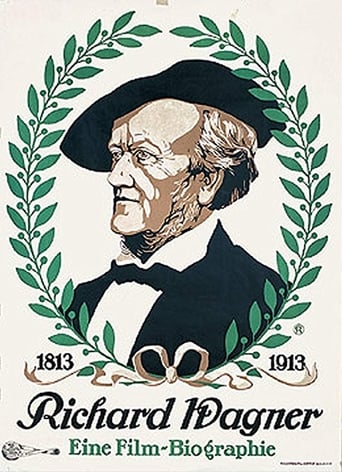
- Credited appearance in The Life and Works of Richard Wagner (1913), an early German film tied to one of the country's most culturally significant composers
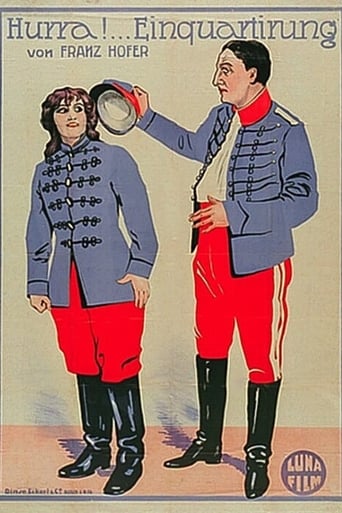
- Credited appearance in Hurra! Einquartierung! (1913), showing participation in the lively prewar German silent-comedy or popular-entertainment film culture
- Documented as an active screen performer during the formative years of German cinema before the First World War
- Represents the kind of early film actor whose work is preserved primarily through sparse archival credits rather than extensive publicity material
- Associated with the silent era at a time when many productions were short, experimental, and often now lost
- Included in filmographic records that help reconstruct the personnel of early German filmmaking
Films
Notes
- Manny Ziener is documented in film history primarily through only two known 1913 screen credits.
- His credited work places him in the German silent era before World War I.
- One of his known films, The Life and Works of Richard Wagner (1913), suggests involvement with a prestige cultural subject rather than only light entertainment.
- Because so little biographical information survives, he is one of many early film performers whose lives remain largely anonymous to modern audiences.
- No verified birth or death dates are commonly cited in standard readily available reference data.
- His sparse record highlights how incomplete documentation of early cinema can be, especially for minor performers.
- He is part of the historical landscape of German cinema at a time when film credits were often limited and preservation was inconsistent.
Questions
Who was Manny Ziener?
Manny Ziener was a German silent-era actor known from a very small surviving filmography, including films from 1913. He is one of the many early cinema performers whose careers are only partially preserved in historical records.
What films is Manny Ziener best known for?
He is known for The Life and Works of Richard Wagner (1913) and Hurra! Einquartierung! (1913). These are the principal surviving credits associated with his name in available film records.
When was Manny Ziener born and when did he die?
No reliable birth or death date has been verified in readily available standard references. The surviving record is too limited to establish those details with confidence.
What awards did Manny Ziener win?
No awards or nominations are currently documented for Manny Ziener in the surviving historical record. His significance lies in his early film credits rather than in recorded honors.
What was Manny Ziener's acting style?
There is no detailed surviving description of his acting style. Given the period, he likely worked within the expressive conventions of early silent film performance, but that cannot be stated definitively from the available evidence.
What is Manny Ziener's legacy in film history?
His legacy is primarily archival and historical. He represents the many early silent-era performers whose names survive even when much of their personal history and film work has been lost.