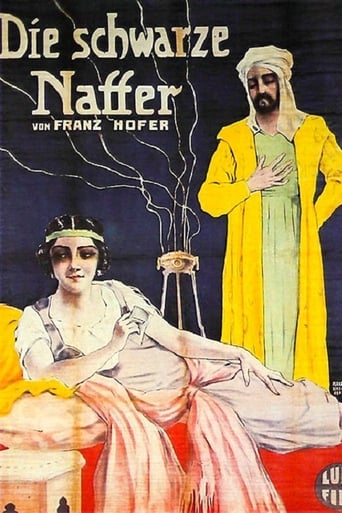
Hurra! Einquartierung!
Plot
"Hurra! Einquartierung!" is a short silent comedy centered on the disruption caused when a detachment of soldiers arrives to be billeted in a small village. As the men are assigned lodging and the local authorities scramble to accommodate them, the social order of the community is thrown into comic confusion. The village mayor becomes especially anxious about his daughter, whose spirited and adventurous nature makes him fear embarrassment or trouble, so he locks her away to keep her out of the soldiers’ way. The daughter’s confinement, however, becomes part of the comic tension of the film, suggesting the inevitable collision between military discipline, small-town propriety, and youthful independence. The film plays as a lighthearted situation comedy, building humor from misunderstandings, overprotectiveness, and the chaos that comes with unexpected guests.
Director
Franz HoferAbout the Production
The film was made in the early German silent era, when short comedies and military farces were common popular fare. Surviving documentation is limited, so detailed production records such as exact shooting locations, crew size, or budget are not reliably known. The credited director, Franz Hofer, was active in early German cinema and worked on numerous short subjects during a period when film production was still highly experimental and often studio-based or staged on simple sets. The cast listing associated with the film includes Manny Ziener, Franz Schwaiger, and Rudolf del Zopp, but contemporary production paperwork is sparse, making full role attribution and behind-the-scenes specifics difficult to verify.
Historical Background
"Hurra! Einquartierung!" was produced in 1913, on the eve of the First World War, at a moment when German cinema was expanding rapidly from a novelty industry into a more organized commercial medium. In the years immediately before the war, short comedies, social farces, and everyday domestic stories were among the most common film forms, and this film fits squarely within that pattern. The premise of soldiers being quartered in a village would have carried immediate social recognition for contemporary viewers, because the army was a central institution in Imperial Germany and military presence was woven into public life. The film also reflects prewar screen humor that often treated authority, order, and family discipline as sources of comic tension rather than ideological conflict. Historically, it is important as a representative example of early German popular cinema, preserving the rhythms, values, and comic style of a society just before the upheavals of war transformed film production and audience expectations.
Why This Film Matters
Although "Hurra! Einquartierung!" is not widely known today, it has significance as part of the early comedic film culture that helped define German cinema before feature-length narrative became dominant. Films like this contributed to the normalization of cinematic comedy through simple but effective social scenarios, showing how everyday institutions such as the military and local government could be used as comic engines. It also illustrates the prewar cultural familiarity with the army as a social presence, a theme that later films and historical realities would complicate drastically after 1914. For film historians, the movie is valuable as evidence of early 20th-century taste, production practices, and the development of screen comedy in Germany. Even where prints are lost or incomplete, titles like this remain culturally significant because they map the range of entertainment that audiences consumed during cinema’s formative decade.
Making Of
Little detailed behind-the-scenes information about "Hurra! Einquartierung!" has survived in accessible public sources, which is common for a 1913 silent short. What can be said with confidence is that it was made during a period when German filmmakers relied on concise, highly legible premises and stage-like blocking to communicate story points quickly without intertitles carrying excessive narrative burden. Franz Hofer was working in an era before standardized studio production fully developed, so films often depended on economical sets, clear character types, and visual gags built around authority figures, domestic space, and comic reversals. The title and surviving premise indicate that the filmmakers were tapping into a well-established comic formula: the intrusion of military life into civilian domestic life, with the mayor’s household providing the central comic pressure point. Exact information about casting decisions, shooting schedule, or set construction has not been reliably preserved.
Visual Style
No detailed cinematography credit or technical breakdown is reliably preserved for this title, but the film would almost certainly have used the standard visual language of early 1910s silent cinema: static camera setups, medium-to-wide framing, and stage-like composition that allowed actors to play action clearly within the frame. Early German comedies often emphasized readable blocking and physical business rather than camera movement, and a village-household scenario like this would have benefited from carefully arranged entrances, exits, and cross-room reaction shots. Lighting would have been naturalistic or studio-lit in the simple manner typical of the period, with emphasis on clarity over expressive stylization. The visual humor likely depended on the contrast between uniformed soldiers and domestic interiors, creating a legible comic environment without elaborate cinematographic effects.
Innovations
The film does not appear to be associated with any major technical innovation, but its significance lies in its efficient use of early silent-comedy storytelling. It demonstrates the mature use, for its time, of a concise comic premise, visual legibility, and classically staged action to sustain audience interest within a short running time. The film also reflects the early German industry's capacity to produce topical, audience-friendly entertainment centered on recognizable institutions and domestic situations. If a print survives, its value may be primarily archival and historical rather than technical, illustrating standard early-1910s production methods rather than pioneering special effects or camera techniques.
Music
As a 1913 silent film, "Hurra! Einquartierung!" had no synchronized soundtrack. In its original exhibition, it would have been accompanied by live music, typically a pianist, small ensemble, or theater musician improvising or selecting pieces to match the comic tone and pacing. Any specific cue sheet or commissioned score has not been reliably documented in surviving public information. Modern screenings, if available, would likely use a reconstructed silent accompaniment chosen by the presenting archive or venue.
Memorable Scenes
- The mayor, alarmed by the arrival of soldiers in the village, hides his adventurous daughter away to prevent trouble or scandal.
- The comic disruption created as military quartering upends the normal order of the small village household.
Did You Know?
- This film is a product of the very early German silent-film comedy tradition, where short situational farces were especially popular with audiences.
- The title refers to "Einquartierung," a military term for billeting or quartering soldiers in civilian homes, which would have immediately signaled the premise to contemporary viewers.
- Franz Hofer was one of the active directors working in Germany before World War I, when the country’s film industry was still in its formative years.
- The surviving plot description suggests a comedy of social manners rather than broad slapstick, with humor arising from the mayor’s attempts to control his free-spirited daughter.
- Like many films of 1913, it was likely released as a short subject rather than a feature-length narrative.
- The cast names associated with the film reflect the stage-to-screen crossover typical of the era, when performers often worked across theater, cabaret, and early cinema.
- The film’s military-village setting would have resonated with audiences in Imperial Germany, where soldiers, local authority, and civic etiquette were familiar cultural markers.
- Because documentation is fragmentary, it is an example of how many early films survive today only in filmographies, trade references, and database entries rather than in complete prints.
- Its survival status is uncertain in readily accessible public records, which is typical for many pre-World War I German productions.
- The film’s premise aligns with a broader European tradition of comic films about domestic chaos caused by institutions such as the army, the police, or municipal authorities.
What Critics Said
Contemporary critical reception is not well documented in the surviving sources available for this film. As with many early shorts, it likely received attention primarily in trade listings, local advertising, or exhibition programs rather than extensive critical review. Modern assessment generally treats it as a minor but useful surviving reference point within Franz Hofer’s body of work and the broader corpus of prewar German comedies. Because detailed reviews and production commentary have not been widely preserved, its reputation today rests more on historical context and archival significance than on established critical consensus.
What Audiences Thought
Specific audience-response data has not survived in accessible form, which is typical for a 1913 short film. Nevertheless, the premise suggests it was designed for broad popular appeal, using a familiar military-civilian mismatch and domestic comic tension that early audiences would have readily understood. Films of this type were commonly programmed as part of mixed bills and were intended to deliver immediate amusement rather than long-form emotional engagement. Its likely reception would have depended on the effectiveness of its visual comedy and the recognizability of its social types, both of which were central to early silent humor.
Film Connections
Influenced By
- European stage farce and domestic comedy traditions
- Early military comedies and billet-house farces common in prewar popular entertainment
- German boulevard-style humor and social satire
This Film Influenced
- Later German military comedies and village farces of the silent era
- Postwar comedy films that used authority figures and domestic spaces as sources of humor
You Might Also Like
More from Franz Hofer
View allFilm Restoration
The preservation status is uncertain in readily accessible public records; no widely cited restoration or complete surviving print is currently documented here, and the film may be lost or only fragmentarily preserved. It is best treated as an obscure early silent title with limited archival visibility until a specific archive record or extant print is confirmed.