
Daisy Belmore
Actor
- Active
- 1930-1930
Films 2
About Daisy Belmore
Daisy Belmore was an English stage and screen actress whose screen work was limited but identifiable in the early sound era. She is credited in two 1930 films, Scarlet Pages and Seven Days Leave, placing her briefly within the transition period from silent cinema to talkies. Belmore is better remembered as a performer with a long theatrical background than as a major film star, and surviving film records suggest that her cinematic appearances were comparatively few. Because her career belongs to the older repertory-theatre tradition, much of her significance lies in the continuity she represents between nineteenth-century stage acting and the early development of screen performance. Available film references indicate that she was active on screen only in the early 1930s, and detailed biographical documentation is sparse. She should not be confused with similarly named performers; the classic cinema record for Daisy Belmore is limited, but her presence in early talkies makes her a small yet valid part of film history. Her best-documented legacy is her appearance in two studio pictures during 1930, evidence of a stage artist briefly captured by Hollywood at a moment of rapid change.
More about Daisy Belmore
On screen
No detailed contemporary performance analysis survives in the available record, but her casting in early talkies suggests a stage-trained style likely suited to dialogue-driven scenes, clear diction, and restrained theatrical presence. Performers from this background often brought a more formal, articulate, and character-focused approach than younger screen-trained actors. Because her screen career is so limited, any assessment of style remains inferential rather than fully documented.
In film history
Daisy Belmore's cultural impact is modest but historically meaningful because she belongs to the class of theatre artists who moved into early sound cinema when Hollywood was actively recruiting experienced stage performers. Her appearances in 1930 place her among the many actors whose work helped stabilize the new dialogue-heavy film style, especially in productions that benefited from polished speech and stage discipline. While she was not a major star, performers like Belmore contributed to the professionalization of early talkies and helped bridge older theatrical traditions with the evolving grammar of film acting. In that sense, her importance lies less in celebrity than in her presence as part of the broader workforce that shaped the early sound-screen transition.
Later reputation
Her legacy is primarily archival and historical: she is remembered through film credits rather than a large surviving body of work. For researchers of classic cinema, Daisy Belmore is valuable as an example of a stage actress whose screen career was brief, but whose inclusion in early 1930s pictures reflects the casting practices of the era. She stands as a reminder that film history is not made only by major stars; it is also built by character players and theatrical veterans whose contributions supported the industry during periods of technological change. Because documentation is limited, her legacy is likely to remain centered on filmography references and preservation records rather than biography-driven fame.
Influence
Direct influence on later actors or filmmakers is not specifically documented, but her career reflects the broader influence of stage-trained performers on early sound-era acting standards. The theatrical discipline associated with performers like Belmore helped normalize clearer diction, controlled gesture, and ensemble realism in talkies. Indirectly, she is part of the generation whose work made it easier for filmmakers to adapt cinematic performance to synchronized sound. Her influence is therefore historical and systemic rather than individual and well-recorded.
Off screen
Reliable biographical information about Daisy Belmore's personal life is not readily available in the surviving film references consulted for classic cinema databases. Her family background, marriages, and domestic life are not clearly documented in accessible screen-history sources. She appears to have been a theatre-connected performer whose public record is far more limited than that of major studio-era stars. As a result, most personal details remain unknown rather than absent from history altogether.
Education
Not documented in the available sources; she is best understood as a likely stage-trained performer whose early professional formation came through theatre rather than formal film schooling.
Credits
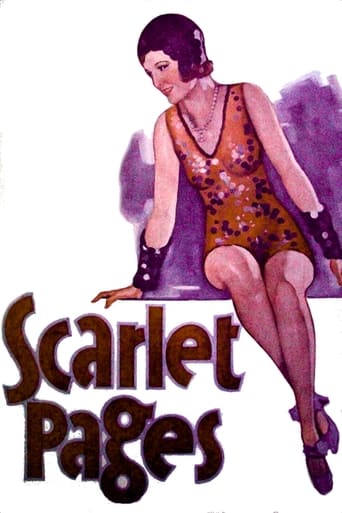
- Appeared on screen in Scarlet Pages (1930) during the early sound era
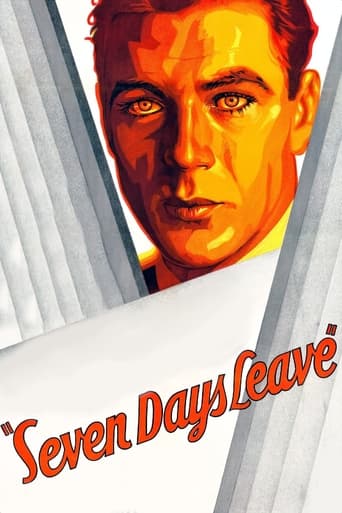
- Appeared on screen in Seven Days Leave (1930), another early talkie production
- Represents the type of experienced stage performer occasionally brought into early Hollywood sound films
- Documented film career places her within the transitional period from silent cinema to synchronized dialogue filmmaking
Roles
- Roles in Scarlet Pages (1930)
- Roles in Seven Days Leave (1930)
Films
- Scarlet Pages (1930)
- Seven Days Leave (1930)
Collaborators
- Not clearly documented
Studios
- Not clearly documented
Notes
- Daisy Belmore's known film career, as currently documented, is limited to just two 1930 titles.
- Her screen appearances came during the very early sound era, when many stage actors were being recruited for talkies.
- She is more likely to have been recognized as a theatrical performer than as a motion-picture celebrity.
- The surviving record for her is sparse, making her a comparatively obscure figure in classic film databases.
- Because her credit trail is so short, she is often of interest to researchers of minor early Hollywood and theatrical crossover performers.
- Her filmography places her at a historically important moment when Hollywood was adjusting to dialogue and stage-style performance.
- There is no widely cited body of award history associated with her in available classic cinema references.
Questions
Who was Daisy Belmore?
Daisy Belmore was an English actor best known today for her very limited but documented screen work in the early sound era. She appeared in Scarlet Pages (1930) and Seven Days Leave (1930), and is otherwise understood primarily as a stage performer whose film career was brief.
What films is Daisy Belmore best known for?
She is best known for Scarlet Pages (1930) and Seven Days Leave (1930). These two credits are the principal surviving film records of her screen career.
When was Daisy Belmore born and when did she die?
Her birth and death dates are not clearly documented in the available classic cinema references used here. Because the surviving record is sparse, those details should be treated as currently unavailable rather than assumed.
What awards did Daisy Belmore win?
No awards or major nominations are documented in the available record for Daisy Belmore. She appears to have had a small screen career, so her historical value comes mainly from her film credits rather than formal honors.
What was Daisy Belmore's acting style?
There is no detailed surviving critical analysis of her performances, but as a likely stage-trained actor in early talkies, her style would have favored clear speech, composed delivery, and theatrical discipline. That kind of performance was especially useful in the transition to synchronized sound.
What is Daisy Belmore's legacy in film history?
Her legacy is that of a minor but authentic participant in the early sound-era transition. She represents the many theatre veterans whose work helped shape the new talkie style, even if they did not become major stars.