1930 · approximately 70 minutes

Also available on: Wikimedia
Seven Days Leave

Seven Days Leave

1930 approximately 70 minutes United Kingdom
Loneliness and emotional needThe home front during wartimePerformance, pretense, and social identityMaternal longing and surrogate family bondsCompassion and mutual consolation

Plot

During the First World War in London, Mrs. Downey is a lonely, middle-aged woman who longs to feel connected to the war effort and to have some personal claim on the sacrifice being made overseas. To impress her friends, she pretends that she has a son serving at the front, borrowing emotional prestige from a lie that makes her feel useful and important. The deception collapses when the young soldier she has been inventing suddenly turns up at her door on leave, leading to embarrassment, pity, and an unexpected bond. Rather than expose her completely, the two strike an affectionate arrangement in which he agrees to play the role of her son, allowing her to enjoy the comfort of maternal pride while he receives a temporary home, kindness, and the companionship he has been missing.

About the Production

Release Date 1930
Production British International Pictures
Filmed In Elstree Studios, Borehamwood, Hertfordshire, England, United Kingdom

Seven Days Leave is a British sound-era drama adapted from James M. Barrie's one-act play The Old Lady Shows Her Medals, which had already been a popular stage vehicle before the film version. Like many early 1930 British productions, it was mounted at British International Pictures' Elstree facilities, where the studio was building its reputation for polished, prestige-oriented talkies. The film was made at a time when British cinema was rapidly transitioning to synchronized sound and adapting stage material that could showcase dialogue and character performance. No reliably documented budget or box-office figure is generally cited in standard reference sources for the film, and surviving production records appear limited.

Historical Background

Seven Days Leave was made in 1930, a moment when the film industry on both sides of the Atlantic was adjusting to the arrival of synchronized sound and the changing expectations of audiences. In Britain, studios such as British International Pictures were eager to prove that they could produce prestige talkies with literary pedigree rather than merely imitate American genre pictures. The film's setting in wartime London and its emotional focus on home-front longing also resonate with interwar audiences still living in the aftermath of the First World War, when many families had lost sons, husbands, or brothers and the memory of sacrifice remained vivid. Its adaptation of a Barrie play reflects a broader cultural tendency of the period to revisit wartime sentiment through sentimental, character-centered drama rather than explicit battlefield spectacle. The film matters historically because it sits at the intersection of theater adaptation, early sound cinema, and the career trajectories of future international stars like Gary Cooper.

Why This Film Matters

The film is culturally significant as an early screen adaptation of a Barrie wartime story about grief, vanity, affection, and the need for human connection during national crisis. It demonstrates how British cinema of the early sound era often used respected stage material to elevate its artistic standing and appeal to middle-class audiences. The story's emotional premise, in which a fabricated maternal identity becomes an act of mutual consolation, reflects enduring themes of wartime social performance and the search for belonging. It also has interest for film historians because it preserves an early Gary Cooper performance outside the Hollywood mainstream and illustrates the international circulation of talent in the early 1930s. While not a major canonized title, it remains an instructive example of how intimate domestic drama could be used to process the social meanings of war.

Making Of

The film was produced during the first wave of British sound pictures, when studios were still learning how to balance recording technology with cinematic movement and performance. Because the source material was a compact Barrie play, the adaptation could be shaped around intimate dialogue and emotional reversals, making it well suited to an early talkie format. The casting of Gary Cooper is notable because it places an American actor in a British production at a transitional moment in his career, before his persona was fully established by Hollywood westerns and dramas. Richard Wallace's direction reflects the period's preference for restrained staging and close attention to actor interaction rather than elaborate visual flourishes. The picture is also a good example of how British International Pictures used established stage properties to create respectable, marketable films for the growing sound-film audience.

Visual Style

The visual style is typical of an early sound-era studio drama: controlled, dialogue-friendly staging, relatively economical camera movement, and an emphasis on actor faces and reaction shots. As was common in 1930 productions, the film likely favors carefully arranged interior compositions that support spoken performance over elaborate mobility or location realism. The photography would have been shaped by the technical demands of sound recording, which often encouraged more restrained blocking and fewer complicated camera setups. The overall effect is intimate and theatrical, appropriate to Barrie's chamber-like wartime material.

Innovations

The film's main technical significance lies in its early use of synchronized sound within a British studio production at a time when the industry was still adapting stage works to the new medium. Its production demonstrates the practical techniques of the period: controlled acoustics, dialogue-centered scenes, and staging designed to accommodate microphones and recording equipment. It is not known for technical innovation in the later sense, but it is an instructive example of how early talkies translated theatrical material to the screen. The picture also shows how British studios used sound film technology to give prestige adaptations a more direct emotional impact.

Music

As an early sound film, Seven Days Leave would have relied primarily on synchronized dialogue and studio-recorded effects rather than on a fully developed non-diegetic musical score in the modern sense. No widely documented standalone soundtrack release is known. Music, if present, was likely used sparingly and in support of atmosphere rather than as a dominant element. The film's sound value lies chiefly in preserving spoken exchanges adapted from Barrie's play.

Famous Quotes

No widely documented surviving quote from the film is commonly cited in standard reference sources.
The film's dialogue is adapted from James M. Barrie's The Old Lady Shows Her Medals, but no canonical line is consistently attributed as a famous quote.

Memorable Scenes

  • The moment Mrs. Downey's invented story is disrupted by the unexpected arrival of the real soldier on her doorstep.
  • The quiet, emotionally charged agreement in which the young soldier accepts the role of her son.
  • Scenes of domestic warmth that contrast the hardships and absences of the war.
  • The public-facing moments in which Mrs. Downey derives pride from the false claim that her son is serving at the front.

Did You Know?

  • Seven Days Leave is based on James M. Barrie's play The Old Lady Shows Her Medals, one of Barrie's best-known short wartime pieces.
  • The film gives early-screen starring exposure to Gary Cooper, who was still in the process of becoming a major international star.
  • It was directed by Richard Wallace, whose career included both British and later Hollywood work.
  • The story centers on an unusual emotional arrangement between a lonely woman and a serviceman, a premise that was already well known from the stage version before reaching film.
  • Because it is an early sound film, the production reflects the era's emphasis on dialogue-driven acting and static, carefully staged scenes.
  • The title Seven Days Leave shifts emphasis from Barrie's stage title to the brief respite of military leave, highlighting the soldier's temporary return from the front.
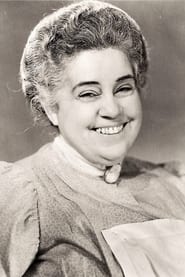
  • Beryl Mercer was often cast in maternal or sympathetic supporting roles, and her performance here fits that screen persona.
  • The film belongs to a period in which British studios were frequently adapting respected literary and theatrical works to lend prestige to their early talkies.

What Critics Said

Contemporary critical response is not widely preserved in easily accessible modern reference sources, but the film was generally treated as a respectable literary adaptation rather than as a major prestige event. Early sound-era critics commonly judged such productions by performance quality, clarity of dialogue, and faithfulness to the source play, and Seven Days Leave fits that pattern. In later film-historical writing, the picture tends to be discussed mainly in connection with Gary Cooper's early career, Richard Wallace's work, and the adaptation history of Barrie's play. Modern critical assessment usually regards it as a minor but interesting early talkie with value for performance history and for its illustration of British studio practice, rather than as a formally adventurous or widely influential film.

What Audiences Thought

Specific audience-reaction records are scarce, but the film's existence as a British International Pictures release suggests it was intended for mainstream adult viewers who appreciated sentimental drama and stage-derived stories. The emotional premise was well suited to the tastes of audiences familiar with wartime home-front narratives and Barrie's sentimental-social comedy. Its appeal likely rested on the poignancy of the central deception and on the comforting resolution of mutual companionship. Today, audiences are most likely to encounter it as a curiosity of early sound cinema and as a vehicle for an emerging star rather than as a widely circulated classic.

Film Connections

Influenced By

  • The Old Lady Shows Her Medals by James M. Barrie
  • Stage melodrama and wartime domestic comedy
  • British literary and theatrical adaptation traditions

This Film Influenced

  • No directly verifiable specific films are widely credited as being influenced by this title
  • Later adaptations and variations on wartime home-front sentiment in British and American drama

Film Restoration

The film is not generally listed among lost titles and is believed to survive in archival holdings, though it is not widely circulated and may be difficult to access. Availability may vary by archive and region, and no major restoration campaign is widely documented.

Themes & Topics

World War ILondonlonely widowpretended sonsoldier on leavesurrogate motherhoodwartime home front