
Basil Radford
Actor
- Born
- June 25, 1897, Fleet, Hampshire, England
- Died
- October 25, 1951
- Active
- 1930-1951
Films 1
About Basil Radford
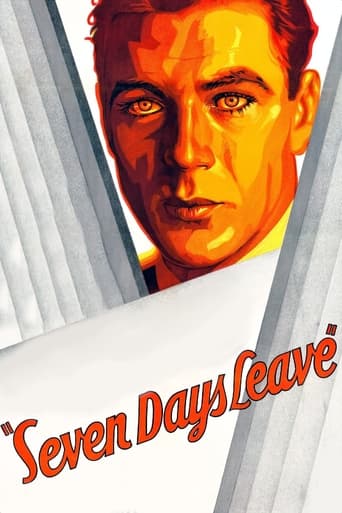
Basil Radford was an English actor best remembered for his dry wit, lanky presence, and indelible comic partnership with Naunton Wayne in a series of British films from the 1940s. He was born on June 25, 1897, in Fleet, Hampshire, England, and pursued a career on stage before becoming a familiar face in British cinema. Although he worked in film from the early sound era and is credited in Seven Days Leave (1930), his lasting fame came much later, when his instinct for deadpan comedy found a perfect outlet in character parts that balanced understatement with sharp timing. He became especially popular in the war-era thrillers and comedies associated with Alfred Hitchcock and Ealing Studios, where his elegant, slightly aloof persona contrasted memorably with Naunton Wayne's more anxious screen presence. Radford and Wayne became a much-loved double act, appearing together as Caldicott and Charters in films such as The Lady Vanishes and Night Train to Munich, roles that turned them into symbols of comic English reserve. Outside that partnership, Radford remained a capable supporting actor in both film and television, often cast as upper-middle-class, eccentric, or gently absurd figures. He died on October 25, 1951, in London, England, at the age of 54, leaving behind a compact but highly memorable body of work in British classic cinema.
More about Basil Radford
On screen
Radford's acting style was defined by understatement, impeccable comic timing, and a dry, almost baffled reaction to the absurdities around him. He specialized in portraying lightly pompous, urbane, or socially polished men whose composure masked confusion, irritation, or hidden mischief. His performances were rarely broad; instead, he used pauses, a clipped delivery, and subtle facial expressions to make humor emerge from contrast and reaction. This restrained approach worked especially well in partnership scenes, where his straight-faced responses heightened the comedy of the situation. He also brought warmth to his characters, ensuring they remained charming rather than merely fussy or comic.
In film history
Basil Radford became a model of the quintessential English comic supporting player: polished, ironic, and slightly absurd without ever losing dignity. His work with Naunton Wayne helped define one of British cinema's most beloved recurring comic pairings, establishing a template for gentlemanly double acts whose humor came from conversation, routine, and personality rather than slapstick. In wartime and postwar British film culture, his characters resonated because they embodied a recognizable social type, the well-bred traveler or clubman who continues discussing cricket, hotels, or small inconveniences even in moments of danger. Audiences responded to the comfort of his manner and the intelligence of his delivery, qualities that made him a dependable fixture in ensemble films. His presence helped shape the tone of British screen comedy in the 1940s, especially the lightly satirical, character-driven style associated with Ealing and similar productions.
Later reputation
Radford's legacy rests less on stardom than on the enduring popularity of a carefully honed comic persona. He remains best remembered by classic-film enthusiasts for the Caldicott and Charters films, where his partnership with Naunton Wayne became a benchmark for elegant, low-key British comedy. Even in relatively small roles, he had the ability to dominate a scene through timing and texture, proving how important supporting actors were to the atmosphere and success of classic cinema. His performances continue to be studied and appreciated as examples of how restraint can be as funny as overt comedy. In film history, he stands as one of the definitive character actors of British early talkies and wartime screen entertainment.
Influence
Radford influenced later British screen comedians and character actors who adopted his style of controlled exasperation and deadpan wit. His work with Naunton Wayne also demonstrated the commercial value of recurring comic partnerships, especially in films that blended suspense with humor. The archetype he helped popularize—the impeccably dressed, cricket-loving Englishman who remains absurdly calm in crisis—has echoed through later British film and television comedy. Many later ensemble comedies and espionage parodies borrowed, directly or indirectly, from the comic rhythm that Radford and Wayne perfected.
Off screen
Basil Radford kept much of his private life out of the public eye, which was typical for many British character actors of his generation. He was married, but detailed information about his family life is not widely documented in standard film references, and surviving public records are comparatively sparse. He is not generally associated with celebrity scandals or a highly publicized domestic life. His reputation rests almost entirely on his professional work and the affectionate audience memory of his comic screen persona.
Education
Detailed educational information is not widely documented in standard film histories and reference sources.
Credits
- Film debut period in the early sound era, including Seven Days Leave (1930)
- Breakthrough as one half of the comic duo Caldicott and Charters with Naunton Wayne
- Memorable appearances in Alfred Hitchcock's The Lady Vanishes (1938) and later in other classic British wartime thrillers
- Successful association with Ealing-style ensemble comedy and wartime entertainment
- Established a recognizable screen persona built on deadpan delivery, precise timing, and comic restraint
- Became one of the best-known supporting-character comedians in British cinema of the 1940s
Roles
- Charters in the Caldicott-and-Charters comic partnership
- Caldicott and Charters series' bemused, cricket-obsessed English traveler figure
- The polished supporting gentleman in British wartime and Ealing comedies
Films
- The Lady Vanishes (1938)
- Night Train to Munich (1940)
- Seven Days Leave (1930)
Collaborators
- Naunton Wayne
- Alfred Hitchcock
- British comedy and thriller filmmakers of the 1940s
Studios
- Ealing Studios
- British film productions of the early sound era
- Associated productions of Alfred Hitchcock-era British cinema
Notes
- He is closely associated with the characters Caldicott and Charters, a pair so popular that audiences often remembered the duo more than the individual actors.
- His screen image was strongly tied to cricket references, hotel complaints, and the comic rituals of upper-middle-class British life.
- Although he appeared in Seven Days Leave (1930), his most famous work came much later in the 1930s and 1940s.
- He was especially effective in films that mixed suspense and comedy, where his calm reactions enhanced tension and humor at once.
- Radford's persona became part of the recognizable language of classic British cinema, especially wartime entertainment.
- He often played characters whose intelligence was obvious even when they were being pompous or fussy.
- His partnership with Naunton Wayne was one of the most enduring comic pairings in British film of the era.
- He died relatively young, at 54, which limited the possibility of a longer postwar career.
Questions
Who was Basil Radford?
Basil Radford was a British actor best remembered for his dry, understated comic performances in classic British cinema. He became especially famous as one half of the comic duo Caldicott and Charters, often appearing opposite Naunton Wayne.
What films is Basil Radford best known for?
He is best known for The Lady Vanishes (1938) and Night Train to Munich (1940), along with other films featuring the Caldicott-and-Charters partnership. He also appeared earlier in Seven Days Leave (1930), one of his early screen credits.
When was Basil Radford born and when did he die?
Basil Radford was born on June 25, 1897, in Fleet, Hampshire, England. He died on October 25, 1951, in London, England.
What awards did Basil Radford win?
There are no major film awards prominently recorded for Basil Radford in the standard classic-cinema record. His reputation rests on audience affection, critical appreciation, and the lasting popularity of his performances rather than formal honors.
What was Basil Radford's acting style?
His style was controlled, dry, and highly reactive, with comedy arising from understatement rather than broad gesture. He excelled at playing polite, slightly pompous men whose composure was undercut by confusion, irritation, or quiet exasperation.
What is Basil Radford's legacy in film history?
Radford is remembered as one of the great British character actors of the early sound era and wartime period. His work helped define a very English brand of screen comedy, and his partnership with Naunton Wayne remains a classic example of double-act chemistry.