Scarlet Pages
Plot
Nora Mason is an ambitious young woman whose promising career and personal future are thrown into jeopardy when she becomes entangled in a sensational family scandal involving murder. As the story unfolds, she learns that the woman who may be able to save her from disgrace is her own mother, a stranger in Nora's life whose hidden connection to the case becomes crucial to clearing her name. The plot combines courtroom and melodramatic elements typical of early 1930s studio dramas, building suspense around mistaken identity, concealed parentage, and the collision between private shame and public reputation. Nora's ordeal forces the various family members and lovers around her to confront lies, class expectations, and long-buried secrets before the truth can emerge.
About the Production
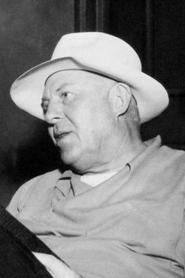
Scarlet Pages was produced during the transitional period when Hollywood was adapting to the sound era and shifting rapidly toward dialogue-driven melodrama. As a Warner Bros. production from 1930, it reflects the studio's reliance on briskly made, topical dramas with courtroom and crime elements that could be mounted efficiently. Surviving documentation on specific shoot locations, budget, and box-office performance is limited, so those details are not reliably established in standard reference sources. The film is associated with Ray Enright, a prolific studio director who worked across crime, action, and melodrama during Warner Bros.' early sound years.
Historical Background
Scarlet Pages was made and released in 1930, just a short time after the arrival of synchronized sound had transformed Hollywood production, acting style, and audience expectations. Studios were producing large numbers of compact melodramas and crime pictures that could exploit dialogue, courtroom confrontations, and emotional revelations without requiring expensive sets or long runtimes. Warner Bros. in particular specialized in hard-edged contemporary stories, and this film belongs to that cycle of socially inflected, fast-moving studio entertainment. Historically, it also reflects pre-Code sensibilities, when stories about scandal, illicit secrets, and threatened reputations could be more openly dramatized than they would later be under strict enforcement of the Production Code.
Why This Film Matters
Although Scarlet Pages is not among the most famous American films of 1930, it is representative of the kind of studio melodrama that helped define early sound-era popular cinema. Its focus on family scandal, hidden maternity, and the near-destruction of a young woman's career illustrates the period's fascination with the intersection of private morality and public reputation. The film is also culturally revealing as an example of how Warner Bros. packaged dramatic material for adult audiences during the pre-Code era, when crime, shame, and domestic secrets were recurring themes. For historians, it is useful less as a landmark title than as a snapshot of industrial practice, star casting, and genre conventions in transitional early-1930s Hollywood.
Making Of
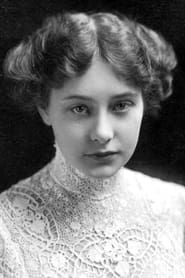
Scarlet Pages was mounted as a compact Warner Bros. melodrama at a time when the studio system favored efficient production and rapid release schedules. Ray Enright was one of the studio directors trusted to deliver genre entertainment with minimal excess, and the film fits that pattern through its concise running time and emphasis on plot rather than spectacle. The casting of Elsie Ferguson is notable because she was already an established performer from stage and silent cinema, bringing a degree of prestige to a compact studio drama. Surviving behind-the-scenes documentation is sparse, but the film appears to have been designed as a commercially dependable mixture of romance, crime, and family scandal rather than an especially lavish production.
Visual Style
Specific cinematographer credit details are not consistently preserved in the readily available reference material for this title, but the visual approach would have been typical of early Warner Bros. sound productions: straightforward, dialogue-centered staging with an emphasis on clarity and continuity. Films of this type generally used relatively static camera setups compared with later decades, though editors and directors could still shape suspense through reaction shots, crosscutting, and tightly framed confrontations. The likely aesthetic is functional rather than expressionistic, prioritizing performance, narrative speed, and the legibility of emotional reversals. In that sense, its cinematography reflects the industrial style of early 1930s studio melodrama rather than a flamboyant visual signature.
Innovations
Scarlet Pages does not appear to be associated with major technological innovations, but it belongs to the generation of films that helped normalize synchronized sound storytelling in American cinema. Its technical interest lies in its likely use of clear dialogue recording, efficient scene construction, and the disciplined staging required by early microphone and soundstage limitations. The film is also an example of how studios adapted melodramatic material to the constraints and opportunities of the new sound medium. In that respect, it is a useful artifact of the transition from silent to sound cinema even if it is not a landmark technical achievement.
Music
As a 1930 sound film, Scarlet Pages would have featured synchronized dialogue and likely a musical score or stock musical accompaniment typical of Warner Bros. productions of the period, but detailed surviving scoring information is not readily documented in standard references. Early sound films often used music sparingly in comparison with later classical Hollywood practice, especially in dialogue-heavy dramas. If an original composed score existed, it has not remained prominently associated with the film in the available filmographic record. The soundtrack's main historical significance lies in its place within the studio's early talkie-era production methods rather than in a separately celebrated score.
Famous Quotes
No reliably verified surviving quote from the film is widely documented in standard reference sources.
The film's dialogue is not commonly cited in quotation anthologies or classic-film reference materials.
Memorable Scenes
- The central revelation sequence in which Nora's connection to the hidden family secret becomes crucial to her fate.
- The dramatic confrontation scenes built around accusation, scandal, and the threat of public disgrace.
- The courtroom or near-courtroom style exchanges typical of early Warner Bros. melodramas, where truth is gradually forced into the open.
Did You Know?
- Scarlet Pages was released by Warner Bros. in the early sound era, when the studio was especially known for fast-paced dramas and crime pictures.
- The film stars Elsie Ferguson, a major stage and screen actress of the silent era who continued working into sound films.
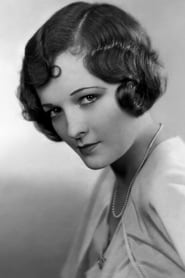
- Marian Nixon appears in one of the key supporting roles, representing the younger generation of Warner Bros. contract talent.
- The title evokes the language of scandal journalism and legal sensationalism, both common hooks for 1930-era melodramas.
- Ray Enright later became known for a wide range of studio assignments, including Westerns, comedies, and crime films.
- The film's plot is built around concealed family relationships, a theme frequently used in early Hollywood melodrama to intensify moral conflict.
- Because many early sound films were not preserved as carefully as later titles, Scarlet Pages is not as widely seen today as better-known 1930s Warner Bros. features.
- Reference materials often list the film in catalog form with limited surviving promotional copy, suggesting that detailed contemporary publicity is harder to recover than for major star vehicles.
What Critics Said
Contemporary critical records for Scarlet Pages are limited and not as extensively preserved as those for major prestige releases of the period. Available reference summaries generally treat it as a routine but effective studio melodrama, notable more for its cast and brisk construction than for any acclaimed artistic ambition. In later film history writing, it tends to be mentioned in connection with Ray Enright's early directing career, Elsie Ferguson's sound-era work, and Warner Bros.' output in 1930 rather than for sustained critical reappraisal. Because the film is not widely circulated today, modern criticism is sparse and it remains more of an archival curiosity than a frequently discussed classic.
What Audiences Thought
No reliable nationwide audience metrics are readily available for Scarlet Pages, which was common for many early sound-era studio pictures. As a Warner Bros. melodrama with crime and romance elements, it was likely intended to appeal to adult patrons who enjoyed compact, emotionally charged stories and star-driven programming. The film does not appear to have become a major long-term audience favorite, and its present-day visibility is limited, suggesting that it did not develop the enduring popular afterlife of more famous pre-Code titles. Its audience reception is therefore best understood as modest commercial entertainment rather than a breakout sensation.
Film Connections
Influenced By
- Pre-Code courtroom melodramas
- Victorian and early 20th-century sensation fiction
- Newspaper scandal narratives
- Warner Bros. early sound crime dramas
This Film Influenced
- No clearly documented direct influence is widely cited for this specific film
- Later family-secret melodramas and courtroom crime dramas may follow similar narrative patterns
You Might Also Like
More Action Films
View allMore from Ray Enright
View allFilm Restoration
The film is known to exist in reference records, but it is not widely circulated and is not commonly regarded as a mainstream restored classic. Detailed preservation and restoration status is not consistently documented in readily accessible sources, so its current archival condition should be treated as uncertain without a specific archive confirmation.