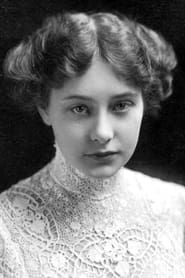
Elsie Ferguson
Actor
- Born
- July 14, 1883, New York City, New York, USA
- Died
- November 24, 1961
- Active
- 1914-1930
- Birth name
- Elsie Louise Ferguson
Films 1
About Elsie Ferguson
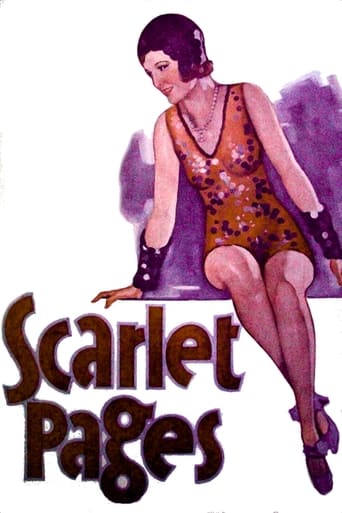
Elsie Louise Ferguson was an American stage and film actress who became one of the most celebrated dramatic leading ladies of the silent era. Born in New York City, she was trained first for the theater and established her reputation on Broadway before moving into motion pictures in the mid-1910s, where her refined beauty, poise, and emotional restraint made her a major star. She worked with leading studios and directors of the period, including Famous Players-Lasky, and appeared in a number of prestige productions that capitalized on her reputation as an elegant, aristocratic screen presence. Ferguson was especially admired for playing emotionally complex women in sophisticated melodramas and costume pictures, and contemporary publicity often emphasized her intelligence and stage breeding as much as her glamour. By the late silent era she had largely returned to the stage, but she made a notable film comeback in the early sound era with Scarlet Pages (1930), which fits the single film credit associated with that final screen period. She later retired from the screen and lived a long life after her active career, remaining a respected figure in early American cinema history.
More about Elsie Ferguson
On screen
Ferguson's acting style was noted for its elegance, composure, and emotional subtlety rather than broad melodrama. Coming from the stage, she brought precise diction, controlled gesture, and a cultivated screen presence that suited upper-class or emotionally conflicted heroines. In silent pictures she often conveyed feeling through facial nuance and restrained movement, which distinguished her from more overtly expressive contemporaries. Her performances were typically marked by dignity, intelligence, and an ability to suggest inner turbulence beneath a polished exterior.
In film history
Elsie Ferguson helped define a particular kind of silent-era leading lady: cultivated, elegant, emotionally intelligent, and unmistakably theatrical in pedigree. At a time when film acting was still evolving away from stage conventions, she represented a successful bridge between Broadway prestige and motion-picture stardom. Her screen persona suggested refinement and seriousness, and studios used that image to elevate the perceived respectability of feature films aimed at adult audiences. She was especially important in the development of the prestige melodrama, helping establish that serious dramatic women’s pictures could draw both critical attention and popular interest.
Later reputation
Ferguson's legacy lies in her status as one of the major dramatic actresses of the silent period and as an example of how a major stage star could be translated into a significant film presence. Although her filmography is smaller than that of some contemporaries, the quality and reputation of her roles made her a respected figure among early Hollywood historians. She is remembered as part of the class of actresses who gave silent cinema sophistication and theatrical authority, and her work continues to be cited in discussions of the era's polished female star image. Scarlet Pages (1930) also gives her a small but notable place in the transition from silent film to early sound cinema.
Influence
Ferguson influenced later screen actresses by demonstrating that restraint, intelligence, and refinement could be as powerful as highly expressive melodrama. Her image helped shape the template for the aristocratic or emotionally complex heroine in prestige productions, a model that persisted into the studio era. She also stands as part of the tradition of Broadway-trained performers who enriched film acting with disciplined stage technique, affecting how studios cast and promoted dramatic women. For historians, she remains an important link between the legitimate theater and the development of the American feature film star system.
Off screen
Elsie Ferguson was a well-known society figure as well as a performer, and her personal life attracted public attention during her peak years. She was married multiple times and was associated with prominent men in theatrical and social circles, though she is remembered primarily for her career rather than for scandal. Her private life was often covered in the popular press of the day because she represented a stylish blend of stage accomplishment, beauty, and upper-class sophistication. Later in life she withdrew from the intense spotlight that had surrounded her as a star, living quietly after her screen career diminished.
Education
She received a private education and was trained for the stage rather than attending a formally publicized film school or conservatory; her career was shaped by theatrical training and Broadway experience.
Credits
- Established herself as a Broadway star before entering motion pictures, bringing an unusual degree of stage prestige to silent-film casting
- Became one of the leading female stars of Paramount/Famous Players-Lasky during the 1910s
- Headlined a series of sophisticated melodramas and costume dramas that emphasized elegance, emotional intelligence, and social refinement
- Successfully made the transition from stage to film and later returned to the screen in the early sound era in Scarlet Pages (1930)
- Was widely regarded in her peak years as one of the silent era's most glamorous and accomplished dramatic actresses
Roles
- Sophisticated society heroines in silent-era dramas
- Romantic and emotionally conflicted leading women in prestige melodramas
- The role in Scarlet Pages (1930), her notable early sound-era screen appearance
Films
- Scarlet Pages (1930)
- The Silent Voice (1915)
- The Easiest Way (1917)
- A Doll's House (1918)
- The Song of Songs (1918)
- The Witness for the Defense (1919)
Collaborators
- Cecil B. DeMille
- Herbert Brenon
- Julian Josephson
Studios
- Famous Players-Lasky
- Paramount Pictures
Family
- John Charles E. Abbott (married 1906; later dissolved)
- Paul Gerard Miller (married 1911; later divorced)
- Robert Farrar (married 1921; later divorced)
Notes
- She was born in New York City and came to prominence first on the stage before becoming a film star.
- Ferguson was considered one of the great beauties and society luminaries of her day, often featured in fashionable press coverage.
- Her screen roles frequently cast her as women of refinement, intelligence, and emotional depth rather than purely ornamental characters.
- She worked in both silent films and early sound cinema, but her most famous period was during the silent era.
- Scarlet Pages (1930) is especially notable because it represents her later-screen appearance after years of relative absence from film.
- Her career is often cited in film histories as an example of a major stage actress who became a significant silent screen star.
- Although she appeared in relatively few films compared with some contemporaries, many were prestige productions adapted from literary or theatrical sources.
- She is one of the early actresses whose star persona was built as much on polish and social standing as on romantic glamour.
Questions
Who was Elsie Ferguson?
Elsie Ferguson was an American stage and silent-film actress who became one of the best-known dramatic leading ladies of the 1910s. She was admired for her elegance, emotional restraint, and prestige screen presence, and she also made a later sound-era appearance in Scarlet Pages (1930).
What films is Elsie Ferguson best known for?
She is especially remembered for The Silent Voice (1915), The Easiest Way (1917), A Doll's House (1918), The Song of Songs (1918), The Witness for the Defense (1919), and Scarlet Pages (1930). These films reflect her reputation for sophisticated drama and emotionally complex roles.
When was Elsie Ferguson born and when did she die?
Elsie Ferguson was born on July 14, 1883, in New York City, New York, USA. She died on November 24, 1961.
What awards did Elsie Ferguson win?
No major formal film awards or nominations are commonly documented for her, which is typical for many stars of the silent era. Her recognition came primarily through her status as a celebrated stage and screen leading lady rather than through modern awards systems.
What was Elsie Ferguson's acting style?
Her acting style was graceful, restrained, and intelligent, with strong roots in theatrical training. She was especially effective in portraying polished heroines with hidden emotional depth, using subtle facial expression and controlled gesture rather than broad exaggeration.
What is Elsie Ferguson's legacy in film history?
Her legacy is that of a major silent-era prestige actress who helped connect Broadway sophistication with early Hollywood star culture. She remains important to film historians as a model of the elegant, emotionally nuanced heroine in serious melodrama.