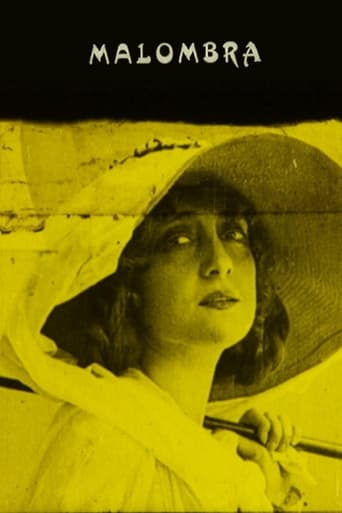
Films
4 films
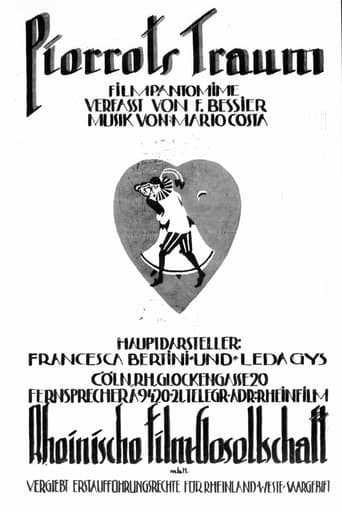
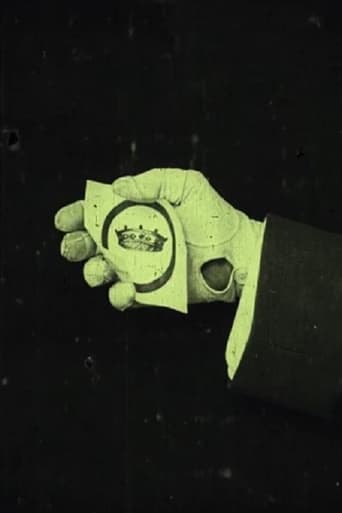
About Amedeo Ciaffi
Italian actor who worked during the early silent film era, primarily between 1913 and 1917. His career, though brief, coincided with the formative years of Italian cinema when the country was emerging as a major force in international film production. Ciaffi appeared in several notable Italian productions of the period, including 'The Black Circle' (1913), which was among the early Italian mysteries, and 'Pierrot the Prodigal' (1914), showcasing his versatility in different genres. His most significant role came in 'Malombra' (1917), a prominent Italian silent drama directed by Carmine Gallone, which was based on a novel by Antonio Fogazzaro. Like many actors of his era, Ciaffi's career was likely interrupted by World War I, which had a profound impact on European film production. His filmography, though limited, represents the artistic ambitions of early Italian cinema during its golden age of silent films.
The Craft
On Screen
As a silent era actor, Amedeo Ciaffi would have employed the exaggerated gestures and facial expressions characteristic of early 20th-century cinema, where actors needed to convey emotion and story without dialogue. His performances in dramatic roles like 'Malombra' suggest he was skilled in the melodramatic style popular in Italian cinema of the period, using body language and intense facial expressions to communicate complex emotions to audiences.
Milestones
- Appeared in 'The Black Circle' (1913), an early Italian mystery film
- Starred in 'Pierrot the Prodigal' (1914), demonstrating range in theatrical roles
- Featured role in 'Malombra' (1917), one of the significant Italian silent dramas of the period
- Worked during the golden age of Italian silent cinema
- Collaborated with prominent director Carmine Gallone
Best Known For
Iconic Roles
Must-See Films
Working Relationships
Worked Often With
Studios
Why They Matter
Impact on Culture
Amedeo Ciaffi's contribution to cinema, while not widely documented, represents the broader landscape of early Italian film production during its creative peak. His participation in films like 'Malombra' places him within the context of Italy's artistic ambitions in cinema, when the country was producing elaborate historical epics and sophisticated dramas that influenced international filmmaking. Though his individual impact was modest, actors like Ciaffi formed the essential foundation that supported the more prominent stars and directors of the era.
Lasting Legacy
Amedeo Ciaffi's legacy is preserved primarily through the surviving films in which he appeared, particularly 'Malombra' which remains an important example of Italian silent cinema. His work shows the many actors who contributed to the early development of cinema but whose names have faded from popular memory. Film historians and silent cinema enthusiasts continue to study these early Italian productions, ensuring that performers like Ciaffi are not entirely forgotten in the broader narrative of film history.
Who They Inspired
As a supporting actor during the formative years of cinema, Amedeo Ciaffi's direct influence on subsequent generations of performers is difficult to trace. However, his participation in early Italian dramatic films contributed to the development of acting techniques specific to silent cinema that would influence future performers. The theatrical and expressive style employed by actors of his era laid groundwork for the more nuanced film acting that would emerge with the advent of sound.
Off Screen
Very little is documented about Amedeo Ciaffi's personal life, which was common for many supporting actors of the silent era who did not achieve star status. His brief active years covered only four years, coinciding with the early development of Italian cinema and the disruption of World War I. Like many actors of his generation, his life and career details were not extensively preserved in film archives or historical records.
Did You Know?
- Ciaffi's entire known filmography spans only four years, from 1913 to 1917
- His most famous film 'Malombra' was based on a novel by Antonio Fogazzaro
- The period of his activity coincided with what many consider the golden age of Italian silent cinema
- Like many actors of his era, his career was likely cut short by World War I
- Italian cinema of this period was among the most innovative and influential in the world
- Silent actors like Ciaffi had to rely entirely on physical expression to convey emotion
- Very few personal details about Ciaffi survive in historical records
- His film 'Malombra' was directed by Carmine Gallone, a major figure in early Italian cinema
Frequently Asked Questions
Who was Amedeo Ciaffi?
Italian with credits in this catalog.'
What films is Amedeo Ciaffi best known for?
Titles linked here include Malombra (1917), The Black Circle (1913).
When was Amedeo Ciaffi born and when did he die?
Unfortunately, specific birth and death dates for Amedeo Ciaffi are not documented in available historical records, which is common for many supporting actors of the early silent era.
What awards did Amedeo Ciaffi win?
There are no recorded awards or nominations for Amedeo Ciaffi, as formal acting awards were not widely established during the brief period of his career in the 1910s.
What was Amedeo Ciaffi's acting style?
As a silent era actor, Ciaffi would have used the exaggerated gestures and facial expressions typical of early cinema, employing dramatic body language to convey emotions in the absence of dialogue, particularly in melodramatic roles like those in Italian films of the period.