No Poster
The Black Circle
"A gambler must join the Black Circle or die."
Keys: Space play/pause · ←/→ 10s · F fullscreen · M mute · </> speed
About this film
A gambler who cannot pay his debts must join the secret Black Circle or die, in Emilio Ghione's 1913 Celio Film thriller Il circolo nero.
Cast & crew
More films like this
More Crime films
View all →


More from Emilio Ghione
View all →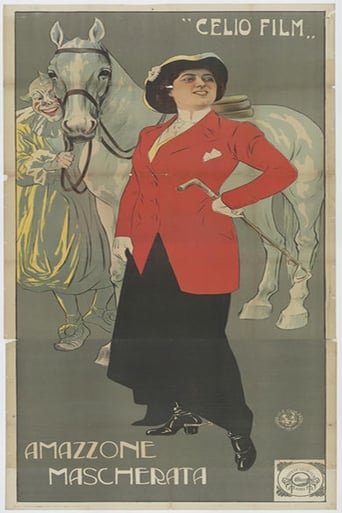
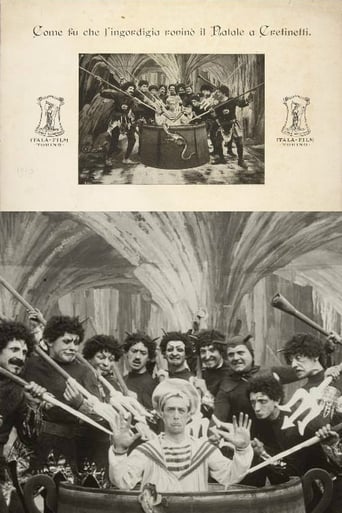
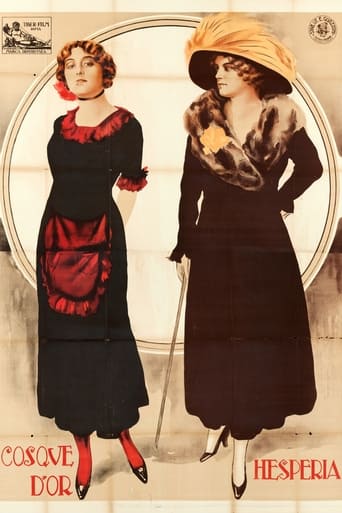
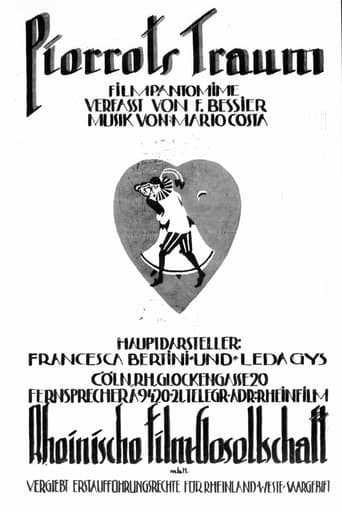
More about this film
About the production
Release date1913
ProductionCelio Film
Filmed inRome, Italy
The Black Circle was produced during the golden age of Italian cinema, when the country was one of the world's leading film producers. The Celio Film company, based in Rome, was known for producing crime dramas and mystery films that capitalized on the public's fascination with criminal organizations. The film was shot using the standard techniques of the era, including hand-cranked cameras and natural lighting when possible. Production likely took place over several weeks on location in Rome's streets and studio sets.
Themes
Organized CrimeJustice vs. CriminalitySecret SocietiesUrban CorruptionInvestigation and Detection
Themes & topics
criminal organizationdetectiveinvestigationsecret societycrime wavemysteryurban settingconspiracyjusticeunderworld
Historical background
The Black Circle (1913) survives in catalogs and archives as a record of the silent era.
Why this film matters
Scholars and collectors reference The Black Circle when discussing how the silent era filmmakers addressed popular themes.
Making of
The production of The Black Circle took place during a transformative period in Italian cinema history. Director Emilio Ghione, who was still early in his career, brought his experience as an actor to his directing style, emphasizing dramatic performances and visual storytelling. The film was made using the practical techniques of the era, with scenes often shot in sequence to minimize editing complications. The cast, consisting of working actors from Rome's burgeoning film industry, would have performed multiple takes of each scene, a luxury not always afforded in earlier years of cinema. The criminal organization theme was particularly relevant to Italian audiences of the time, reflecting real concerns about secret societies and criminal networks operating in major cities.
What critics said
Modern notes on The Black Circle emphasize preservation, stylistic choices, and its place within director or studio filmographies.
Did you know?
- The Black Circle was one of the earliest films to focus on organized crime, predating many American gangster films by over a decade
- Director Emilio Ghione would later become famous for creating the character Za-la-Mort, one of Italian cinema's first anti-heroes
- The film was released during a peak period for Italian cinema, when the country produced more films than any other nation except the United States
- Celio Film was one of Rome's most active production companies in the early 1910s, specializing in crime and adventure films
- The film's title likely refers to the circular meeting places or symbols used by the criminal organization in the story
- 1913 was a significant year for Italian cinema, with the release of several groundbreaking films including Cabiria
- The cast members Amedeo Ciaffi, Alberto Collo, and Angelo Gallina were all regular performers in Rome's film industry during this period
- The film was produced during the silent era, so all dialogue and exposition would have been conveyed through intertitles and acting
- Like many films of this era, The Black Circle was likely shot on 35mm film stock
- The film's mystery elements reflect the growing popularity of detective stories in early 20th century literature and theater
Visual style
The cinematography of The Black Circle would have employed the techniques standard for Italian films of 1913. The camera was likely stationary for most scenes, with movement achieved through panning and tilting rather than dollies. Lighting would have relied primarily on natural light supplemented by arc lamps when filming indoors. The visual style probably emphasized high contrast to create the mysterious atmosphere appropriate for a crime drama. Composition would have followed theatrical conventions, with actors positioned to create dramatic tableaux. The film was shot in black and white, as color processes were still experimental and expensive in 1913.
Innovations
The Black Circle utilized the standard film technology of 1913, which was still relatively primitive by modern standards but represented significant advances from the first decade of cinema. The film was likely shot on 35mm film stock using hand-cranked cameras, requiring skilled camera operators to maintain consistent exposure and frame rates. Editing was done physically by cutting and splicing film strips, with transitions limited to simple cuts and occasional dissolves. The production may have employed some location shooting in Rome, which was becoming more common as cameras became more portable. The film's technical aspects reflected the rapid evolution of cinema technology during this period, with Italian studios being among the most advanced in the world.
Music
As a silent film, The Black Circle would have been accompanied by live musical performance during its original theatrical run. The typical Italian cinema of 1913 employed either a piano or small orchestra to provide musical accompaniment. The score would have been compiled from existing classical pieces and popular songs, with selections chosen to match the mood of each scene. Dramatic moments would have been accompanied by tense, minor-key music, while action sequences might have featured more energetic compositions. The musical accompaniment was crucial for conveying emotion and narrative emphasis in the absence of synchronized dialogue. No original score exists, as the music was performed live and not recorded.
Famous quotes
No specific quotes are documented from this silent film due to its age and preservation status
Memorable scenes
- The climactic confrontation between the detective and the Black Circle organization, likely featuring dramatic lighting and choreographed action typical of Italian crime films of the era
What audiences thought
Early Italian cinema audiences in 1913 were enthusiastic about narrative films, particularly those with dramatic elements and clear storylines. The Black Circle, with its crime and mystery themes, would have appealed to urban audiences fascinated by stories of criminal activity and justice. The film was part of a wave of Italian productions that competed with American and French films for domestic audiences. While specific box office figures are unavailable, the continued production of similar films by Celio Film suggests that audiences responded positively to this type of content. The film's themes of secret societies and criminal investigation resonated with contemporary social concerns.
Film connections
Influenced by
- Early detective fiction
- Stage melodramas
- French crime films
- American serial films
- Italian literary traditions
This film influenced
- Later Italian crime films
- European mystery serials
- American gangster films of the 1920s
- Film noir traditions
Film restoration
The Black Circle is considered a lost film. Like approximately 90% of films from the silent era, particularly those from 1913, no known copies survive in film archives or private collections. The complete loss of this film is representative of the broader tragedy of silent cinema preservation, where nitrate film decomposition and neglect led to the disappearance of thousands of early films. Only written records, production notes, and contemporary reviews provide evidence of the film's existence. Film historians continue to search for lost films like The Black Circle in archives and private collections worldwide.
Where to watch
- The Black Circle is not available for viewing as it is considered a lost film. No surviving copies are known to exist in any film archives or collections worldwide.