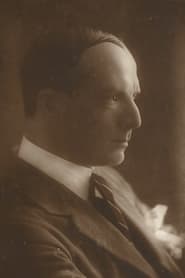
Emilio Ghione
Actor & Director
Born: July 30, 1879 in Turin, Italy Died: January 7, 1930 Active: 1910-1930 Birth Name: Emilio Luigi Carlo Giuseppe Maria Ghione
Films
5 films
About Emilio Ghione
Italian actor, director, and screenwriter who became figures in early Italian cinema during the silent era. Born in Turin in 1879, he began his film career around 1910 after initially working as a painter and illustrator. Ghione achieved tremendous success by creating and portraying the character 'Za-la-Mort,' a mysterious, masked anti-hero who became popular figures in early European cinema. He wrote, directed, and starred in numerous films featuring this character, establishing himself as a versatile filmmaker who could excel both behind and in front of the camera. His work often blended elements of mystery, adventure, and melodrama, characteristic of the popular Italian diva film genre. Despite his relatively short career, Ghione directed over 60 films and acted in dozens more, leaving an indelible mark on the development of Italian cinema before his untimely death in 1930 at the age of 50.
The Craft
On Screen
Ghione's acting style was quintessentially melodramatic, typical of the silent era but with distinctive intensity and charisma. He utilized exaggerated gestures and facial expressions to convey emotion, particularly effective when portraying his masked character Za-la-Mort. His physical presence was commanding, allowing him to dominate scenes even when partially obscured by his character's signature mask. Ghione had a particular talent for conveying mystery and danger through subtle body movements and intense gazes, making his anti-hero characters both menacing and compelling to audiences.
Behind the Camera
As a director, Ghione was known for his visual sophistication and atmospheric storytelling. He employed innovative camera techniques for his time, including dynamic tracking shots and creative use of shadows to enhance the mysterious elements of his narratives. His films often featured elaborate sets and costumes, reflecting the high production values of Italian cinema during its golden age. Ghione had a keen eye for composition, frequently using architectural elements and lighting to create mood and tension. His direction of actresses was particularly notable, helping create the 'diva' archetype that became central to Italian cinema.
Milestones
- Creation of the iconic character Za-la-Mort (1914)
- Directed and starred in The Black Circle (1913)
- Directed the influential Dark Souls (1916)
- Established his own production company
- Pioneered the adventure/mystery genre in Italian cinema
Best Known For
Iconic Roles
Must-See Films
Accolades
Special Recognition
- Recognized as a pioneer of Italian cinema
- Za-la-Mort character became a cultural icon in Europe
Working Relationships
Worked Often With
Studios
Why They Matter
Impact on Culture
Emilio Ghione's creation of Za-la-Mort represented a significant shift in European cinema, introducing the concept of the mysterious anti-hero that would influence countless characters in subsequent decades. The character's popularity extended beyond Italy, making Ghione one of the first international film stars from Italy. His films contributed to the global dominance of Italian cinema in the 1910s, helping establish the country as a major cultural force. The visual style and narrative techniques he developed for his mystery and adventure films influenced the broader European film industry, particularly in the development of the thriller genre.
Lasting Legacy
Ghione's legacy lies primarily in his work in the adventure and mystery genres, as well as his creation of one of early cinema's most enduring character archetypes. While many of his films have been lost to time, those that survive demonstrate remarkable technical sophistication and storytelling prowess. His influence can be seen in later masked characters in cinema, from silent era heroes to modern superheroes. Film historians recognize Ghione as a crucial figure in understanding the development of Italian cinema and its international influence during the silent era.
Who They Inspired
Ghione directly influenced the development of the adventure serial format in European cinema, with his Za-la-Mort series establishing conventions that would be adopted by filmmakers across the continent. His visual storytelling techniques, particularly his use of shadows and masked protagonists, influenced German Expressionist cinema and later film noir. The character archetype he created - the mysterious, morally ambiguous hero - became a staple of adventure and mystery films throughout the 20th century. His success demonstrated the commercial viability of series films, encouraging other producers to invest in recurring characters and franchises.
Off Screen
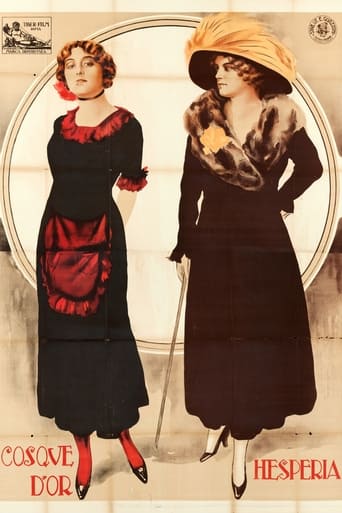
Ghione had a significant personal and professional relationship with actress Hesperia (born Olga Mambelli), who frequently starred in his films. Their partnership was both romantic and artistic, with Hesperia becoming the muse for many of his most successful productions. Despite their deep connection, they never married. Ghione was known as a sophisticated and cultured man, with interests beyond cinema including painting and literature. He maintained a relatively private personal life, though his relationship with Hesperia was well-known in film circles.
Education
Initially trained as a painter and illustrator before entering the film industry
Family
- Never married
Did You Know?
- Created the character Za-la-Mort, which became
- Was both an accomplished painter and filmmaker, bringing artistic sensibility to his films
- His production company was one of the first independent film companies in Italy
- The name 'Za-la-Mort' roughly translates to 'The Death' in French-Italian pidgin
- Many of his films were distributed internationally, making him one of Italy's first global film stars
- He often performed his own stunts in his action films
- His mysterious off-screen persona matched his on-screen characters
- Ghione's films were particularly popular in France and Germany
- He was one of the first filmmakers to use the masked anti-hero as a recurring character
- His death in 1930 coincided with the end of the silent era, symbolically closing his chapter in film history
In Their Own Words
The mask does not hide the face, it reveals the soul
In darkness, truth finds its own light
A hero need not be good, only necessary
Frequently Asked Questions
Who was Emilio Ghione?
Italian actor, on YTB.my.
What films is Emilio Ghione best known for?
Titles linked here include The Black Circle (1913), Dark Souls (1916).
When was Emilio Ghione born and when did he die?
Born July 30, 1879; died January 7, 1930.
What was the Za-la-Mort character?
Za-la-Mort was Ghione's signature creation - a mysterious, masked anti-hero who appeared in numerous films, becoming.
What awards did Emilio Ghione win?
Ghione worked before the era of formal film awards, but he received significant popular acclaim and is now recognized by film historians as a figure in Italian cinema.
What was Emilio Ghione's directing style?
Ghione's directing style emphasized visual sophistication, atmospheric storytelling, and innovative camera techniques, with particular skill in creating mystery and tension through lighting and composition.
Did Emilio Ghione work with other famous filmmakers?
Yes, he collaborated with prominent figures in Italian cinema like Giovanni Pastrone and frequently worked with actress Hesperia, who became his muse and romantic partner.