Films
3 films
About Lea Giunchi
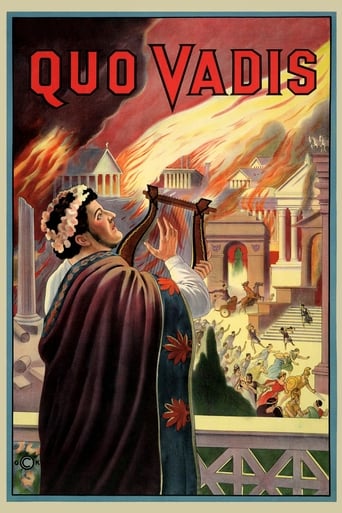
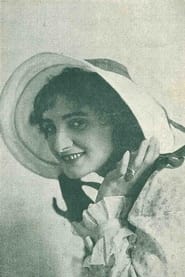
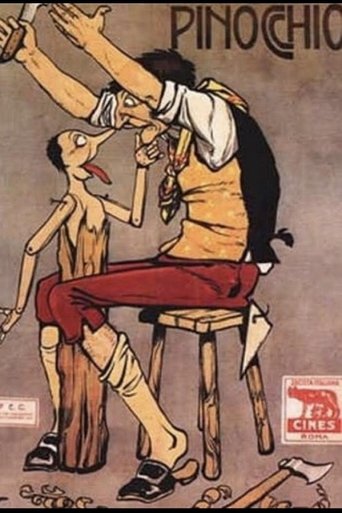
Italian actress who worked during the years of cinema, appearing in several significant early Italian silent films between 1911 and 1913. Her career, though brief, coincided with the emergence of Italy as a major force in international filmmaking, particularly in the production of historical epics and literary adaptations. Giunchi appeared in what is considered the first film adaptation of Carlo Collodi's beloved children's story 'Pinocchio' in 1911, marking an important milestone in cinematic history. She also had a role in the monumental 1913 production of 'Quo Vadis?', ambitious and expensive films of its time that helped establish the Italian epic genre. Her appearance in 'The Black Circle' (1913) further demonstrated her involvement in the thriving Italian film industry of the early 1910s. Like many actors of this transitional period, Giunchi's career was relatively short, as the film industry was still developing and many early performers did not achieve lasting fame. Her work represents the contribution of countless actresses who helped shape the foundations of cinema during its formative years.
The Craft
On Screen
As an actress in the early silent era, Lea Giunchi would have employed the exaggerated gestures and dramatic expressions typical of pre-World War I cinema, when acting techniques were still heavily influenced by stage traditions. Her performances would have relied heavily on physical movement and facial expressions to convey emotion, as intertitles were limited and audiences required clear visual storytelling.
Milestones
- Appeared in the first film adaptation of Pinocchio (1911)
- Had a role in the groundbreaking epic Quo Vadis? (1913)
- Participated in early Italian cinema's golden age
- Worked during the formative years of silent film
- Contributed to Italy's emergence as a film production powerhouse
Best Known For
Iconic Roles
Must-See Films
Working Relationships
Worked Often With
Studios
Why They Matter
Impact on Culture
Lea Giunchi contributed to the foundational period of Italian cinema, which was instrumental in establishing many filmmaking techniques and genres that would influence global cinema. Her participation in early adaptations of literary works like 'Pinocchio' helped demonstrate cinema's potential for bringing beloved stories to the screen. The films she appeared in, particularly 'Quo Vadis?', were part of Italy's emergence as a leader in epic filmmaking, setting standards for scale and spectacle that would influence Hollywood and other film industries worldwide.
Lasting Legacy
While Lea Giunchi herself may not be widely remembered today, her work survives as part of the important historical record of early Italian cinema. The films she appeared in are studied by film historians and scholars interested in the development of cinema as an art form. Her contribution, like those of many early film actors, represents the collective effort of pioneers who helped establish the vocabulary of film acting and storytelling.
Who They Inspired
As an early film actress, Lea Giunchi was part of the generation that helped transition performance techniques from stage to screen, contributing to the development of film acting as a distinct art form. The work of actresses like her in early Italian productions influenced subsequent generations of performers in both European and American cinema.
Off Screen
Very little documented information exists about Lea Giunchi's personal life, which was common for many early film actors whose records were not as meticulously preserved as those of later cinema stars. Like many performers of her era, she likely came from a theatrical background before transitioning to the new medium of film.
Did You Know?
- Appeared in what is considered the first-ever film adaptation of 'Pinocchio' in 1911
- Worked during the peak of Italy's early film industry dominance before World War I
- Participated in 'Quo Vadis?' (1913), which was
- Her active years covered only three years, typical for many early film actors
- Italian cinema of this period was known for its historical epics and literary adaptations
- The films she appeared in were made before Hollywood had established its dominance in global cinema
- Early Italian films like those she appeared in were often shot on elaborate sets and locations
- Silent film acting of her era required more physical expression than later periods
- Many early film actors like Giunchi have incomplete biographical records
- The preservation status of early Italian films varies, with some lost to time
Frequently Asked Questions
Who was Lea Giunchi?
Italian actress who worked in the early silent film era from 1911 to 1913. She appeared in several significant early Italian productions including the first film adaptation of Pinocchio and the epic Quo Vadis? (1913).
What films is Lea Giunchi best known for?
Titles linked here include Pinocchio (1911), Quo Vadis? (1913).
When was Lea Giunchi born and when did she die?
Specific birth and death dates for Lea Giunchi are not documented in available historical records, which is common for many early film actors. She was active in Italian cinema during the period of 1911-1913.
What awards did Lea Giunchi win?
Lea Giunchi did not receive any documented major awards or nominations, which was typical for actors working in the very early years of cinema before formal award systems were established.
What was Lea Giunchi's acting style?
As an actress in the early silent era, Giunchi would have used the exaggerated gestures and dramatic expressions characteristic of pre-WWI cinema, heavily influenced by stage traditions. Physical movement and facial expressions were essential for conveying emotion in films with limited intertitles.