Films
2 films
About Joseph Striker
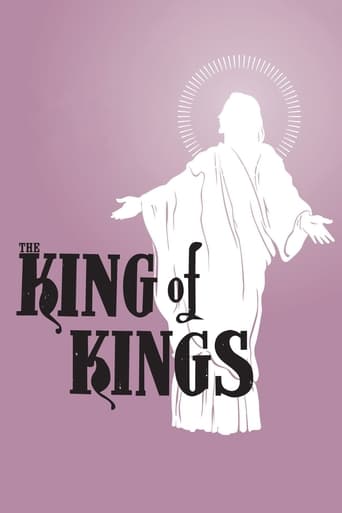
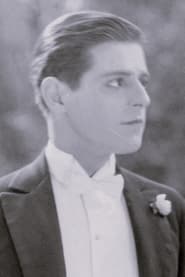
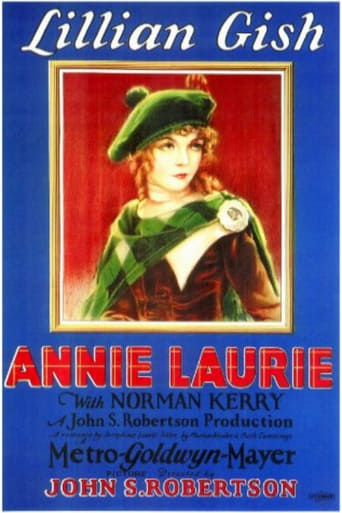
Silent-era American actor best remembered for his work in late 1920s historical and prestige pictures, especially The King of Kings (1927) and Annie Laurie (1927). His screen career, as reflected in surviving filmographies, appears to have been brief and concentrated in a single year, suggesting that he was one of the many capable performers whose work is preserved more by the films themselves than by extensive contemporary publicity. In The King of Kings, Cecil B. DeMille's monumental biblical epic, Striker appeared in one of the film's notable roles during a production that helped define the scale and solemnity associated with prestige silent cinema. Annie Laurie, also released in 1927, further places him within the final flowering of the silent era, when studios were mounting lavish period productions for audiences on the cusp of the sound transition. Because his screen credits are limited and documentation on his private life is scarce, much of his career must be understood through the context of the productions in which he appeared rather than through a long solo stardom. He seems to have been a supporting player rather than a marquee name, yet participation in high-profile films of this kind indicates a level of professional credibility and studio trust. His surviving legacy rests on the historical importance of his films and on his presence in one of silent cinema's most influential epics.
The Craft
On Screen
No detailed contemporary descriptions of Joseph Striker's acting style have survived in readily accessible reference sources. Based on the type of productions in which he appeared, he likely worked in the restrained but expressive silent-film manner required by late 1920s historical cinema, relying on clear physical characterization, facial expression, and stage-like composure. His roles were probably shaped by the conventions of prestige silent pictures, where performers needed to project dignity and clarity within large-scale ensembles and elaborate sets.
Milestones
- Appeared in Cecil B. DeMille's epic silent film The King of Kings (1927), one of the best-known religious spectacles of the era
- Acted in Annie Laurie (1927), a period film from the late silent era
- Worked during the final major year of silent-film prestige production before the industry-wide transition to sound
Best Known For
Iconic Roles
Must-See Films
Why They Matter
Impact on Culture
Joseph Striker's cultural impact is indirect but meaningful through the films he helped populate, especially The King of Kings, which remains one of the landmark biblical epics of silent cinema. Performers like Striker contributed to the texture and credibility of these productions, helping large-scale historical films feel inhabited rather than merely staged. Although he was not a star whose name shaped popular culture on its own, his participation in a major DeMille production connects him to a defining moment in early Hollywood's ambition to combine spectacle, reverence, and mass entertainment. His presence is also emblematic of many capable silent-era actors whose work survives within ensemble casts and whose names are now rediscovered by historians and film databases.
Lasting Legacy
Joseph Striker's lasting legacy lies in his association with two 1927 films from the peak of the silent era, particularly The King of Kings, a film that has remained a touchstone in discussions of biblical epics and Cecil B. DeMille's career. He represents the many lesser-documented performers whose careers were brief but who participated in productions that helped define the visual language and industrial scale of early Hollywood. For film historians, his name is part of the broader effort to preserve the full cast histories of silent films, not just the stars at the center. His legacy is therefore archival and historical: a reminder that classic cinema was built not only by its famous icons but also by a wide supporting community of actors whose work gave the era its depth and authenticity.
Who They Inspired
There is no documented evidence that Joseph Striker directly mentored later performers or that he exerted a well-known stylistic influence on other actors or directors. His influence is best understood as part of the collective influence of silent-era supporting players who helped establish performance standards for historical dramas and ensemble spectacles. By participating in a major DeMille production, he contributed to the traditions of scale, solemnity, and visual storytelling that later epic films would continue to draw upon.
Off Screen
Very little verifiable personal information about Joseph Striker is readily documented in standard film-reference sources. No reliable public record of marriages, children, or family background was identified in the available material used for this profile. He appears to have been one of many silent-era performers whose professional work survives more clearly than biographical detail, and his off-screen life remains largely obscure.
Did You Know?
- Joseph Striker's known filmography is extremely brief, with surviving references centered on only two films from 1927.
- He appeared in The King of Kings, one of Cecil B. DeMille's most famous silent productions.
- His career falls entirely within the final year of the silent-film era before sound transformed Hollywood.
- His biographical details, including birth and death information, are not readily established in common reference sources.
- He is an example of a classic-cinema performer whose work is preserved more through film credits than through biographical records.
- Because of the scarcity of documentation, he is often identified primarily by his screen appearances rather than by personal history.
- His presence in prestige historical films suggests he was likely a reliable supporting actor in studio productions.
Frequently Asked Questions
Who was Joseph Striker?
American silent-era with credits in this catalog. He is best remembered for appearing in The King of Kings and Annie Laurie, two period productions from the late silent era.
What films is Joseph Striker best known for?
Titles linked here include The King of Kings (1927), Annie Laurie (1927).
When was Joseph Striker born and when did he die?
Reliable public biographical sources do not provide verified birth or death dates for Joseph Striker. In the available film-reference material, those details remain undocumented.
What awards did Joseph Striker win?
No awards or nominations are currently documented for Joseph Striker in the available reference material. His recognition rests primarily on his participation in notable silent-era films rather than on recorded industry honors.
What was Joseph Striker's acting style?
No direct critical description of his acting style is readily available, but as a performer in late silent cinema he would have worked in an expressive, physically readable style suited to the era. His roles in prestige historical films suggest a restrained, ensemble-oriented approach appropriate to large-scale productions.
What is Joseph Striker's legacy in film history?
His legacy is tied to the historical importance of the films he appeared in, especially The King of Kings, which remains a landmark of silent epic cinema. He is also part of the larger historical record of actors whose contributions helped shape early Hollywood even when their personal biographies were not widely preserved.