
Pomeroy Cannon
Actor
Born: October 8, 1868 in Milwaukee, Wisconsin, USA Died: February 28, 1926 Active: 1915-1925 Birth Name: William Pomeroy Cannon
Films
2 films
About Pomeroy Cannon
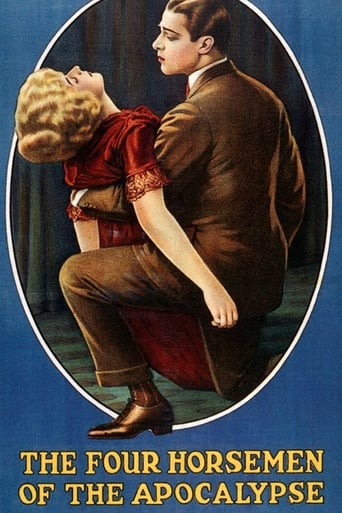
Character actor of the silent film era who began his screen career in his late forties after a successful stage career. Born in 1868, he brought theatrical gravitas to his film roles, often portraying authoritative figures, military officers, or paternal characters. His most notable performance came in Rex Ingram's masterpiece 'The Four Horsemen of the Apocalypse' (1921), where he played alongside Rudolph Valentino in one of cinema's most influential early epics. Cannon's mature presence and commanding screen presence made him a valuable supporting player in numerous productions throughout the 1910s and early 1920s. He worked with prominent directors of the silent era and appeared in over 40 films during his relatively brief but impactful screen career. His transition from stage to screen demonstrated the adaptability of classically trained actors to the new medium of cinema. Cannon continued acting until his death in 1926, leaving behind a legacy of memorable character performances that helped establish the archetype of the older character actor in American cinema.
The Craft
On Screen
Cannon brought a theatrical gravitas and dignified presence to his film roles, drawing from his extensive stage experience. His acting style was characterized by measured movements, commanding facial expressions, and a natural authority that made him ideal for paternal or authoritative figures. In the silent era, he mastered the art of conveying emotion through subtle gestures and intense gazes, avoiding the exaggerated mannerisms common in early cinema. His mature appearance and resonant screen presence allowed him to embody characters with wisdom and gravitas, making him a reliable choice for directors seeking authentic character performances.
Milestones
- Stage career transition to silent films
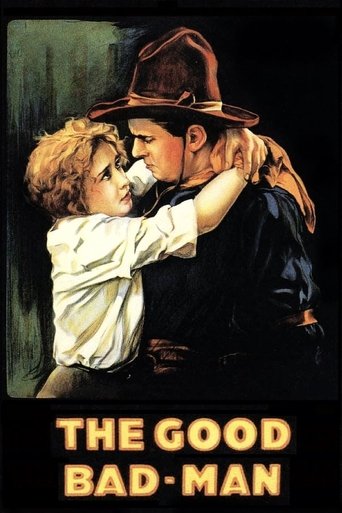
- Breakthrough role in 'The Good Bad-Man' (1916)
- Landmark performance in 'The Four Horsemen of the Apocalypse' (1921)
- Over 40 film appearances in decade-long career
- Worked with director Rex Ingram
- Collaborated with Douglas Fairbanks
Best Known For
Iconic Roles
Must-See Films
Accolades
Special Recognition
- Pioneer of character acting in silent cinema
Working Relationships
Worked Often With
Studios
Why They Matter
Impact on Culture
Pomeroy Cannon contributed to the establishment of character acting as a respected craft in early American cinema. His performances helped demonstrate that mature actors could find meaningful roles in the new medium of film, challenging the industry's early focus on youthful leads. His work in major productions like 'The Four Horsemen of the Apocalypse' helped establish the importance of supporting characters in creating cinematic epics. Cannon's successful transition from stage to screen served as a model for other theater actors considering careers in film. His dignified portrayals of older characters helped create archetypes that would influence character actors for decades to come.
Lasting Legacy
Pomeroy Cannon's legacy lies in his contribution to establishing character acting as an essential component of silent cinema. His performances in major productions of the early 1920s demonstrated the value of experienced, mature actors in creating depth and authenticity in film narratives. While not a star leading man, Cannon's work in supporting roles helped elevate the artistic quality of the productions in which he appeared. His filmography represents a bridge between 19th-century theatrical traditions and the emerging art of cinema, showing how classical acting techniques could be adapted for the screen. Cannon's career serves as an example of how actors could successfully transition between different entertainment media during a period of rapid technological and artistic change.
Who They Inspired
Cannon influenced subsequent generations of character actors by demonstrating that mature performers could have significant impact in supporting roles. His dignified approach to character portrayal helped establish standards for non-leading performances in American cinema. His work with major stars like Fairbanks and Valentino showed how effective character actors could enhance the performances of leading players. The authority and gravitas he brought to his roles became a model for actors specializing in paternal or authoritative characters throughout the Golden Age of Hollywood.
Off Screen
Pomeroy Cannon was married and had children, though details about his family life remain largely undocumented in historical records. He maintained a professional reputation throughout his career and was respected by his colleagues for his dedication to the craft of acting. His transition from successful stage actor to film performer demonstrated his adaptability to new artistic mediums. Cannon's late entry into cinema at nearly 50 years old was unusual for the era, yet he quickly established himself as a reliable character player. He continued working until shortly before his death in 1926.
Education
Theatrical training and stage experience (formal education details not documented)
Family
- Unknown
Did You Know?
- Began his film career at age 47, unusually late for silent era actors
- Had an extensive stage career before entering films
- Appeared in over 40 films in just 10 years
- His role in 'The Four Horsemen of the Apocalypse' was one of his most significant
- Worked with both Douglas Fairbanks and Rudolph Valentino, two of the era's biggest stars
- His real first name was William, but he used Pomeroy professionally
- Died just a few years after the peak of his film career
- Often typecast as military officers or dignified older men
- His stage experience gave him an advantage in silent film acting
- Participated in the transition from short films to feature-length productions
In Their Own Words
No documented quotes from Pomeroy Cannon survive from interviews or personal writings
Frequently Asked Questions
Who was Pomeroy Cannon?
Screen credits include over 40 films between 1915 and 1925. He was known for his dignified portrayals of authoritative and paternal figures, most notably in 'The Four Horsemen of the Apocalypse' (1921).
What films is Pomeroy Cannon best known for?
Titles linked here include The Four Horsemen of the Apocalypse (1921), The Good Bad-Man (1916).
When was Pomeroy Cannon born and when did he die?
Born October 8, 1868; died February 28, 1926.
What was unique about Pomeroy Cannon's career path?
Cannon was unusual for beginning his film career at age 47 after already having an extensive stage career. This late start in cinema was atypical for silent era actors, who usually began much younger.
How did Pomeroy Cannon's stage experience influence his film acting?
His theatrical background gave Cannon a gravitas and authority that translated well to silent film, allowing him to avoid the exaggerated mannerisms common in early cinema. He brought mature, measured performances to his character roles.