Films
2 films
About Bridgetta Clark
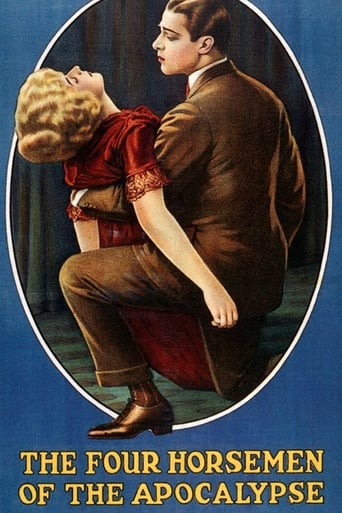
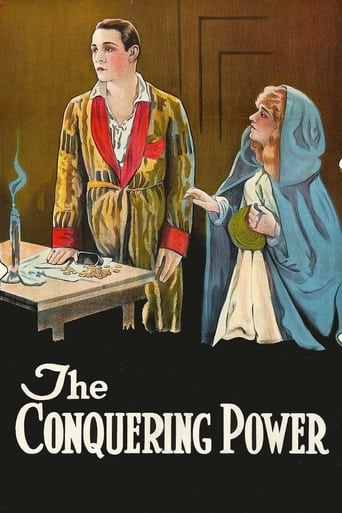
American actress who briefly appeared in silent cinema during the early 1920s. Her career was notably brief, spanning only the year 1921, during which she appeared in two significant films. Both of her known roles were in productions directed by Rex Ingram and starring the Rudolph Valentino, suggesting she may have been part of Ingram's regular troupe of supporting actors. In 'The Four Horsemen of the Apocalypse,' she played a minor role in what would become successful silent films of its era. Her appearance in 'The Conquering Power' that same year marked her second and final known film credit. Like many supporting actors from the silent era, her career appears to have been short-lived, and she seemingly vanished from the film industry after 1921. The lack of extensive documentation about her life and career is typical of many bit players from early Hollywood whose contributions were significant but largely unrecorded in film history.
The Craft
Milestones
- Appeared in The Four Horsemen of the Apocalypse (1921)
- Appeared in The Conquering Power (1921)
- Worked with director Rex Ingram
- Worked alongside Rudolph Valentino
Best Known For
Iconic Roles
Must-See Films
Working Relationships
Worked Often With
Studios
Why They Matter
Impact on Culture
Bridgetta Clark's cultural impact is minimal due to her extremely brief career and minor roles. However, her participation in two significant films of 1921 places her within the context of early Hollywood's golden age of silent cinema. Her work in 'The Four Horsemen of the Apocalypse' connects her to. While her individual contribution was small, she represents the countless supporting actors who formed the backbone of early Hollywood productions.
Lasting Legacy
Bridgetta Clark's legacy is primarily that of a representative figure from the vast pool of supporting actors in silent cinema. Her story illustrates how many performers contributed to classic films without achieving lasting fame or recognition. While her name is largely forgotten, her participation in historically significant films means she is part of the fabric of early Hollywood history. Her brief career also highlights the transient nature of fame in the early film industry, where many actors appeared in only a handful of films before disappearing from public view.
Who They Inspired
Due to her brief career and minor roles, Bridgetta Clark had no known direct influence on other actors or directors. However, as part of the ensemble casts in major silent films, she contributed to the overall artistic success of productions that would influence future filmmakers. Her work under director Rex Ingram connects her to a director known for his visual sophistication and influence on cinematic technique.
Off Screen
Very little is known about Bridgetta Clark's personal life due to the limited documentation of supporting actors from the silent era. Her brief film career and lack of extensive press coverage suggest she was not a major star whose personal life would have been of public interest.
Did You Know?
- Appeared in two films in 1921, both directed by Rex Ingram
- Both of her known films starred Rudolph Valentino
- The Four Horsemen of the Apocalypse was one of the highest-grossing films of the silent era
- Her career appears to have lasted only one year
- Like many silent era actors, she did not transition to sound films
- Her exact role in The Four Horsemen of the Apocalypse is not well documented
- She represents the typical journeyman actor of early Hollywood
- No known photographs of her have been widely circulated
Frequently Asked Questions
Who was Bridgetta Clark?
Screen credits include silent films during 1921. She had roles in two significant films, 'The Four Horsemen of the Apocalypse' and 'The Conquering Power,' both starring Rudolph Valentino and directed by Rex Ingram.
What films is Bridgetta Clark best known for?
Titles linked here include The Four Horsemen of the Apocalypse (1921), The Conquering Power (1921).
When was Bridgetta Clark born and when did she die?
Unfortunately, Bridgetta Clark's birth and death dates are not documented in available historical records. This is common for many supporting actors from the silent era whose personal information was not widely recorded.
What awards did Bridgetta Clark win?
Bridgetta Clark did not receive any known awards or nominations for her brief film career. During the early 1920s, the award systems we know today, including the Academy Awards, had not yet been established.
What was Bridgetta Clark's acting style?
Due to the limited documentation of her work and the fact that her roles were minor, there is no detailed information available about Bridgetta Clark's specific acting style or technique.
Why did Bridgetta Clark's career end so quickly?
The exact reason for Bridgetta Clark's brief career is unknown, but this was not uncommon for supporting actors in early Hollywood. Many appeared in only a few films before leaving the industry, often due to the competitive nature of the business or lack of steady work.