Films
2 films
About Doc Crane
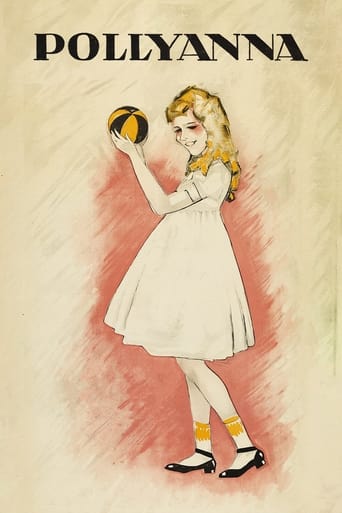
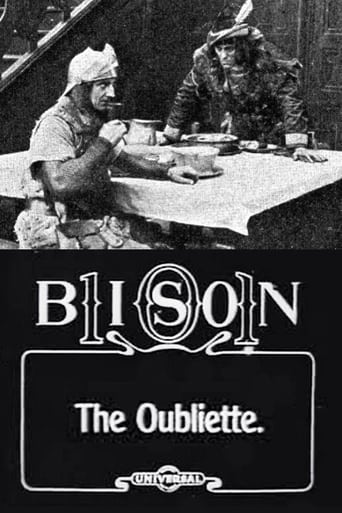
American character actor who worked during the silent film era, primarily active between 1914 and 1920. Doc appears in numerous productions during this transitional period in cinema history, often in supporting roles that required distinctive character types. His performance in 'The Oubliette' (1914) represents one of his early film appearances, showcasing his ability to work in the dramatic genre that was popular in early cinema. By 1920, he was still actively working in the industry, as evidenced by his appearance in 'Pollyanna,' one of the major productions of that year starring Mary Pickford. Like many character actors of the silent era, Crane specialized in creating memorable personas through physical acting and expressive techniques that were essential before the advent of sound. His the crucial years when cinema was evolving from short films to feature-length productions, and he adapted to these changing industry demands throughout his active period.
The Craft
On Screen
As a silent film character actor, Doc Crane employed exaggerated gestures, facial expressions, and body language typical of the era to convey emotion and character traits to audiences without dialogue. His style was influenced by the theatrical traditions that many early film actors brought to the medium, requiring clear visual storytelling through physical performance and the ability to establish character quickly within limited screen time.
Milestones
- Appeared in 'The Oubliette' (1914)
- Worked in 'Pollyanna' (1920) starring Mary Pickford
- Active during the transition from shorts to feature films
Best Known For
Iconic Roles
Must-See Films
Working Relationships
Worked Often With
Why They Matter
Impact on Culture
Doc Crane contributed to the American silent cinema as one of the many character actors who brought depth and variety to films of the era. His work in productions like 'Pollyanna' helped support the narratives that defined early American cinema, even if his individual contributions were not widely recognized by contemporary audiences. As part of the ensemble casts that populated silent films, he represented the working actors who formed the backbone of the early film industry, providing essential support to major stars and helping create the immersive worlds that silent film audiences demanded.
Lasting Legacy
While Doc Crane may not be remembered as a major star of silent cinema, his legacy exists within the preservation of the films in which he appeared. His performances remain as historical artifacts documenting the acting styles and storytelling techniques of early American cinema. For film historians and enthusiasts, actors like Crane provide insight into the collaborative nature of silent film production and the importance of character actors in creating believable cinematic worlds. His work in 'Pollyanna' ensures his contribution to.
Who They Inspired
As a character actor from the silent era, Doc Crane's direct influence on later generations of actors is difficult to trace, but he was part of the generation that established many of the foundational techniques of film acting that would evolve and influence future performers in the medium. The character acting tradition he participated in helped establish the importance of supporting performances in creating compelling cinematic narratives.
Off Screen
Very little is documented about Doc Crane's personal life, which was common for many supporting actors of the silent era who did not achieve major stardom. Like many character actors of his time, his focus was primarily on his craft rather than cultivating public celebrity or maintaining detailed public records of his private life.
Did You Know?
- Doc Crane was active during the peak years of silent film production in America
- He appeared in 'Pollyanna' (1920), one of Mary Pickford's most successful and critically acclaimed films
- His active years covered the crucial transition period when cinema was establishing itself as a major art form and industry
- Like many silent film actors, his career appears to have ended with the transition to sound films in the late 1920s
- The name 'Doc' may have been a nickname or stage name rather than his given name, common practice for actors of the era
- Character actors like Crane were essential to the success of silent films, providing the ensemble that supported major stars
- His appearance in 'The Oubliette' (1914) places him among the early pioneers of feature-length cinema in America
- Silent film actors often had to perform their own stunts and physical comedy, requiring considerable athletic ability
- The lack of detailed biographical information about Crane is typical for supporting actors of his era who did not achieve major celebrity status
- His filmography represents the type of journeyman acting career that was common but rarely documented in detail from this period
Frequently Asked Questions
Who was Doc Crane?
American character with credits in this catalog. He appeared in supporting roles in various films, including 'The Oubliette' (1914) and the major production 'Pollyanna' (1920) starring Mary Pickford.
What films is Doc Crane best known for?
Titles linked here include The Oubliette (1914), Pollyanna (1920).
When was Doc Crane born and when did he die?
Specific birth and death dates for Doc Crane are not well-documented in historical records, which was common for many supporting actors of the silent era who did not achieve major stardom. His known period of activity was from 1914 to 1920.
What awards did Doc Crane win?
There are no documented awards or nominations for Doc Crane, which was typical for character actors of the silent era who worked primarily in supporting roles. The major award systems for film, including the Academy Awards, were not established until after his known period of activity.
What was Doc Crane's acting style?
As a silent film actor, Doc Crane used the exaggerated physical acting style typical of the era, relying on gestures, facial expressions, and body language to convey emotions and character traits to audiences without the benefit of dialogue. His style was influenced by theatrical traditions and required clear visual storytelling.