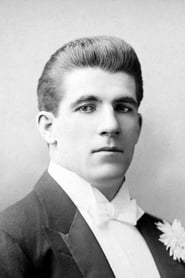
James J. Corbett
Actor
Born: September 1, 1866 in San Francisco, California, USA Died: February 18, 1933 Active: 1894-1897 Birth Name: James John Corbett
Films
2 films
About James J. Corbett
James John Corbett, known as 'Gentleman Jim,' was a figure who transitioned from being a heavyweight boxing champion to one of the earliest sports personalities to appear in motion pictures. Born in San Francisco in 1866, Corbett revolutionized boxing with his scientific approach and defensive techniques, defeating the John L. Sullivan in 1892 to become heavyweight champion. His charismatic personality and gentlemanly demeanor made him a natural for the emerging medium of cinema, leading to his appearances in some of the earliest motion pictures ever produced. Corbett starred in 'Corbett and Courtney Before the Kinetograph' (1894), one of the first films to feature professional athletes, and 'The Corbett-Fitzsimmons Fight' (1897), which became commercially successful films of the 1890s. After retiring from boxing, Corbett continued his entertainment career as a stage actor, appearing in Broadway productions and vaudeville shows. His film appearances, though brief, were historically significant as they represented some of the earliest examples of sports figures crossing over into motion pictures. Corbett's legacy encompasses both his revolutionary impact on boxing and his role as an early cinema pioneer.
The Craft
On Screen
Natural and authentic portrayal of himself as a boxer, bringing real athletic presence to early cinema with minimal theatrical affectation
Milestones
- Defeated John L. Sullivan to become Heavyweight Champion (1892)
- Starred in 'Corbett and Courtney Before the Kinetograph' (1894)
- Appeared in 'The Corbett-Fitzsimmons Fight' (1897)
- Pioneered scientific boxing techniques
- Inducted into International Boxing Hall of Fame
- Transitioned successfully to stage acting after boxing career
Best Known For
Iconic Roles
Must-See Films
Accolades
Won
- International Boxing Hall of Fame Inductee (1990)
- Ring Magazine Hall of Fame Inductee
Special Recognition
- Heavyweight Boxing Champion of the World (1892-1897)
- Pioneer of early motion pictures featuring athletes
Working Relationships
Worked Often With
Studios
Why They Matter
Impact on Culture
James J. Corbett's impact on early cinema was revolutionary as he represented one of the first major sports celebrities to appear in motion pictures, helping legitimize film as a medium for capturing real-world events and personalities. His participation in these early films demonstrated the commercial potential of sports content in cinema, paving the way for future sports documentaries and biographical films. Corbett's sophisticated demeanor and scientific approach to boxing challenged prevailing stereotypes about athletes, presenting boxing as both an art and science. His films were among the earliest examples of what would later become sports entertainment, showing how athletic competition could be packaged for mass audiences through the new medium of cinema.
Lasting Legacy
James J. Corbett's legacy spans both boxing and cinema history. In boxing, he's remembered as the 'Father of Scientific Boxing' who transformed the sport from brute force contests to strategic athletic competitions. In cinema, his early film appearances represent a crucial moment in the development of sports entertainment on screen. His films, particularly 'The Corbett-Fitzsimmons Fight,' were among the first motion pictures to achieve commercial success and demonstrated the public's appetite for sports content. Corbett's successful transition from sports to entertainment also established a template for future athlete-celebrities crossing over into other media. His gentlemanly persona and sophisticated approach to both boxing and entertainment helped elevate the public perception of athletes and contributed to the professionalization of sports.
Who They Inspired
Corbett influenced countless future boxers with his scientific approach to the sport, emphasizing footwork, defense, and strategic thinking over pure aggression. His success in early cinema demonstrated the commercial viability of sports content in motion pictures, influencing future filmmakers to explore sports as subject matter. Many later boxing champions followed his example by appearing in films, including Jack Dempsey and Rocky Marciano. Corbett's gentlemanly persona also influenced how athletes presented themselves to the public, helping establish the model of the sophisticated, articulate sports celebrity. His work in both boxing and early film makes him a unique figure in American cultural history, bridging two major entertainment industries during their formative periods.
Off Screen
James J. Corbett married actress Jessie Taylor in 1886, and they had four children together. The couple eventually divorced in 1904. Corbett later married Vera O'Leary, a much younger woman, in 1908. He was known for his sophisticated lifestyle, expensive tastes, and social prominence in both sporting and entertainment circles. Despite earning substantial money from boxing and entertainment, Corbett struggled with financial management in his later years. He maintained his gentlemanly reputation throughout his life and was respected for his contributions to both sports and early cinema.
Education
Attended Christian Brothers College in San Francisco, left to pursue banking career before turning to boxing
Family
- Jessie Taylor (1886-1904)
- Vera O'Leary (1908-1933)
Did You Know?
- Was nicknamed 'Gentleman Jim' for his sophisticated demeanor and well-dressed appearance
- Was the first heavyweight boxing champion to use gloves in championship fights
- His fight against Fitzsimmons was filmed using multiple cameras, an innovative technique for the time
- Worked as a bank clerk before becoming a professional boxer
- Appeared on Broadway in the play 'The Colonel' after retiring from boxing
- Was friends with legendary author Oscar Wilde
- His 1897 fight film ran for over 100 minutes, making it one of the longest films of its era
- Taught boxing to several Hollywood stars in his later years
- Served as a boxing referee and commentator after his active career ended
- Was one of the first athletes to endorse commercial products
In Their Own Words
Fight one more round. When your arms are so tired that you can hardly lift your hands to come on guard, fight one more round.
There is no substitute for youth and strength, but there is a substitute for experience and that is intelligence.
A champion is someone who gets up when he can't.
The fight is won or lost far away from witnesses - behind the lines, in the gym, and out there on the road, long before I dance under those lights.
Boxing is a contest of skill, science, and quickness rather than brute strength.
Frequently Asked Questions
Who was James J. Corbett?
Legendary heavyweight boxing champion known as 'Gentleman Jim' who revolutionized boxing with scientific techniques and later became one of the first sports celebrities to appear in motion pictures during the 1890s.
What films is James J. Corbett best known for?
Titles linked here include Corbett and Courtney Before the Kinetograph (1894), The Corbett-Fitzsimmons Fight (1897).
When was James J. Corbett born and when did he die?
Born September 1, 1866; died February 18, 1933.
What awards did James J. Corbett win?
Corbett was inducted into the International Boxing Hall of Fame in 1990 and the Ring Magazine Hall of Fame. His most significant achievement was becoming Heavyweight Champion of the World from 1892-1897.
What was James J. Corbett's boxing style?
Corbett pioneered scientific boxing techniques, emphasizing footwork, defensive skills, and strategic thinking over brute force. He was known for his elegant movement and counter-punching ability.
How did James J. Corbett influence early cinema?
Corbett helped legitimize motion pictures as a medium for sports entertainment, demonstrating the commercial potential of athletic content on screen and paving the way for future sports films and documentaries.
Why was James J. Corbett called 'Gentleman Jim'?
Corbett earned the nickname 'Gentleman Jim' due to his sophisticated demeanor, well-dressed appearance, and college-educated background, which contrasted with the rough image of previous boxing champions.