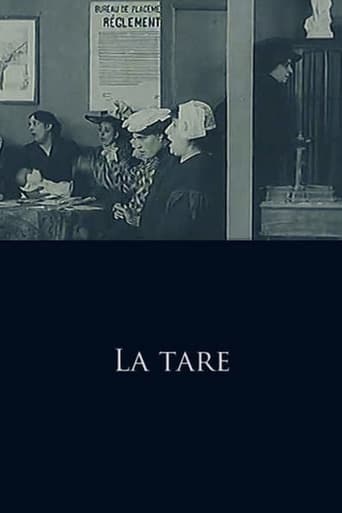
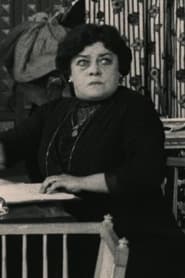
Films
8 films
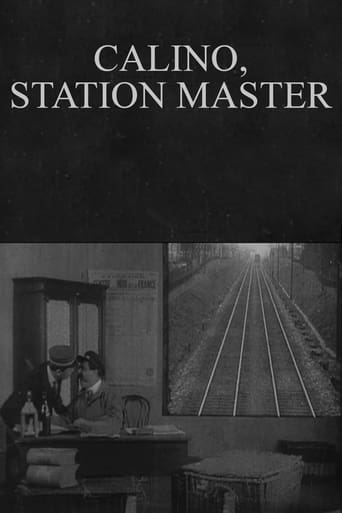
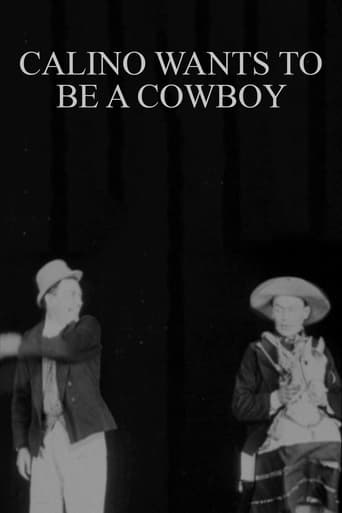

About Marie Dorly
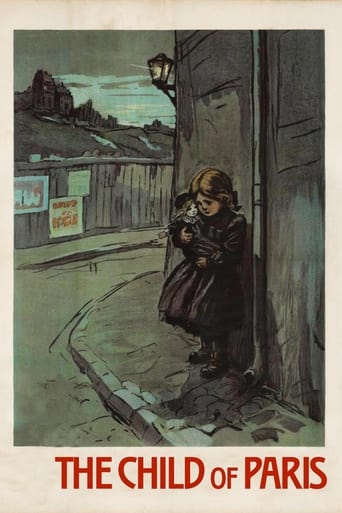
This archive lists one role for Marie Dorly: The Child of Paris (1913). Her career, though brief, coincided with a crucial period in film history when the medium was transitioning from simple novelty to sophisticated storytelling. Marie appears in several notable French productions of the era, including comedies featuring the popular character Calino and the acclaimed film 'The Child of Paris' (1913). Her work with director Louis Feuillade on 'The Child of Paris' represented achievements of early French cinema. Dorly's performances demonstrated the emerging acting techniques required for silent film, where expression and gesture were paramount. Her filmography, spanning from 1911 to 1913, places her among the generation of performers who helped establish the foundations of cinematic acting. Though her career was relatively short, she contributed to several important works that showcased the artistic potential of the young medium of film.
The Craft
On Screen
As a silent era actress, Marie Dorly employed the exaggerated gestures and facial expressions characteristic of early film performance, using physical comedy and dramatic pantomime to convey emotion and story in the absence of dialogue.
Milestones
- Appeared in 'The Child of Paris' (1913),
- Worked in the popular Calino comedy series
- Participated in the French film industry during its golden age of innovation
- Collaborated with directors of the silent era
Best Known For
Iconic Roles
Must-See Films
Working Relationships
Worked Often With
Studios
Why They Matter
Impact on Culture
Marie Dorly contributed to the early development of French cinema during a period when the nation was at the forefront of global film production. Her work in 'The Child of Paris' helped demonstrate the narrative possibilities of feature-length cinema, influencing subsequent developments in film storytelling. The films she appeared in, particularly the Calino series, were part of the popular culture of early 20th century France, entertaining audiences during a time of rapid technological and social change.
Lasting Legacy
Though her career was brief and occurred over a century ago, Marie Dorly's work remains part of the historical record of cinema's formative years. Her films, especially 'The Child of Paris,' are studied by film historians as examples of early cinematic achievement. She represents the countless actors who contributed to establishing film as a legitimate art form and entertainment medium, paving the way for future generations of performers.
Who They Inspired
As an early cinema performer, Marie Dorly's influence lies in her contribution to developing the language of film acting. Her work in comedies helped establish conventions for physical comedy in cinema that would influence generations of performers. The techniques she employed in silent performance were part of the foundation upon which later, more naturalistic styles of film acting would be built.
Off Screen
Very little is documented about Marie Dorly's personal life, which was common for many early film actors whose lives were not extensively recorded in historical archives. As an actress working in the French film industry during the early 1910s, she was part of a generation of performers who helped establish cinema as an art form.
Did You Know?
- Her entire known filmography spans only three years, from 1911 to 1913
- She worked during the peak period of French dominance in world cinema
- The Child of Paris (1913) in which she appeared was over two hours long, unusually lengthy for its time
- She appeared in multiple films featuring the popular comedy character Calino
- Her career ended before World War I, which dramatically changed the European film industry
- Very few personal details about her life have survived in historical records
- She was part of the generation that transitioned from stage acting to film acting
- Her films were made when cinema was still considered a lower art form compared to theater
Frequently Asked Questions
Who was Marie Dorly?
French actress who worked in the early 1910s during the silent film era. She appeared in several notable French productions including 'The Child of Paris' (1913) and films featuring the popular comedy character Calino.
What films is Marie Dorly best known for?
Titles linked here include The Child of Paris (1913), Calino Wants to Be a Cowboy (1911).
When was Marie Dorly born and when did she die?
Unfortunately, specific birth and death dates for Marie Dorly are not available in historical records. She was active as an actress from 1911 to 1913, placing her career in the early silent film era.
What awards did Marie Dorly win?
No awards or honors for Marie Dorly have been documented. This was common for actors in the early 1910s, as formal award systems for cinema had not yet been established.
What was Marie Dorly's acting style?
As a silent era actress, Marie Dorly employed the characteristic style of early film performance, using exaggerated gestures, facial expressions, and physical comedy to convey emotions and story in the absence of spoken dialogue.
Why is Marie Dorly's career so short?
Her brief career from 1911-1913 was not uncommon for early film actors. Many performers had short careers during cinema's formative years, and the outbreak of World War I in 1914 dramatically disrupted the European film industry.