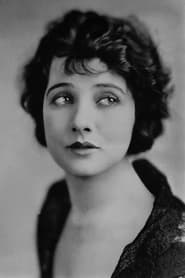
Betty Blythe
Actor
Born: September 4, 1893 in Los Angeles, California, USA Died: April 7, 1972 Active: 1918-1945 Birth Name: Elizabeth Blythe Slaughter
Films
3 films
About Betty Blythe
Silent film star who rose to prominence in the early 1920s as one of Hollywood's most glamorous and daring actresses. Born Elizabeth Blythe Slaughter, she began her career on the Broadway stage before transitioning to films in 1918. Blythe achieved her greatest fame in exotic costume dramas and adventure films, particularly her starring role in 'The Queen of Sheba' (1921), where she appeared in revealing costumes that caused quite a sensation. She was one of the few silent stars who successfully transitioned to talkies, though her roles became increasingly smaller as she aged. Throughout her career, she appeared in over 80 films, working steadily through the 1930s and into the early 1940s. Blythe was known for her professionalism and longevity in an industry that often discarded actresses quickly. Her final years were spent in character roles before she retired from acting in the mid-1940s.
The Craft
On Screen
Blythe was known for her dramatic, theatrical acting style typical of the silent era, with exaggerated expressions and gestures that conveyed emotion without dialogue. She specialized in portraying exotic, mysterious women and femme fatales, bringing a sense of sophistication and danger to her roles. Her screen presence was commanding, and she had a particular talent for costume dramas where she could showcase both her beauty and dramatic range.
Milestones
- Breakthrough role in 'The Queen of Sheba' (1921)
- Successful transition from silent films to talkies
- Over 80 film appearances spanning three decades
- Known as
- actress in costume dramas and exotic roles
Best Known For
Iconic Roles
Must-See Films
Accolades
Special Recognition
- Hollywood Walk of Fame star (located at 1708 Vine Street)
Working Relationships
Worked Often With
Studios
Why They Matter
Impact on Culture
Significant figure in the transition from the Victorian era to the Jazz Age in Hollywood, representing the new modern woman of the 1920s. Her daring costumes and bold performances in films like 'The Queen of Sheba' helped push boundaries of what was considered acceptable on screen, contributing to the evolving standards of film content. She was part of the first generation of film stars who had to navigate the challenging transition from silent films to talkies, and her successful adaptation provided a model for other actors facing this technological revolution.
Lasting Legacy
Betty Blythe's legacy lies in her contributions to early Hollywood glamour and her role in establishing the archetype of the exotic, mysterious woman in cinema. Her work in costume dramas helped establish this genre as commercially viable and artistically significant. Despite being less remembered today than some of her contemporaries, Blythe's active years covered the most transformative decades in film history, from the silent era's peak through the early years of sound. Her Hollywood Walk of Fame star serves as a permanent reminder of her contributions to American cinema.
Who They Inspired
Blythe influenced subsequent generations of actresses in how to maintain a career through the seismic shifts in film technology and audience tastes. Her ability to adapt from leading lady to character actress provided a blueprint for longevity in Hollywood. The exotic roles she specialized in paved the way for later actresses like Myrna Loy and Rita Hayworth, who built careers playing mysterious, alluring women.
Off Screen
Betty Blythe was married twice during her lifetime. Her first marriage was to actor and director Paul Scardon, with whom she worked on several films. After their divorce, she married Paul Eastman, a marriage that lasted until his death. Blythe was known for her professionalism and dedication to her craft, often working long hours and performing her own stunts in her adventure films. She was also noted for her intelligence and business acumen, carefully managing her finances during her career peak.
Education
Studied at the University of Southern California and trained at the American Academy of Dramatic Arts
Family
- Paul Scardon (1920-1928)
- Paul Eastman (1931-1960)
Did You Know?
- Her revealing costumes in 'The Queen of Sheba' caused a sensation and were considered scandalous by 1920s standards
- She was one of the few silent stars who successfully made the transition to sound films
- Blythe performed many of her own stunts in adventure films
- She was originally a Broadway actress before transitioning to films
- Her real name was Elizabeth Blythe Slaughter
- She appeared in over 80 films during her career
- Despite her glamorous image, she was known for being down-to-earth and professional on set
- She was a skilled horsewoman and often performed riding scenes herself
- Her height was 5'7", which was considered tall for actresses of her era
- She was nicknamed 'The American Venus' early in her career
In Their Own Words
I've never been afraid of work. I think that's why I lasted so long in pictures.
The camera is a strange thing. It either loves you or it doesn't. Fortunately, it always loved me.
Silent pictures were an art form. We had to tell the story with our eyes, our bodies, our souls.
Frequently Asked Questions
Who was Betty Blythe?
Prominent American actress of the silent era and early talkies, best known for her glamorous roles in costume dramas and exotic films. She starred in over 80 films between 1918 and 1945, achieving her greatest fame in the 1920s with films like 'The Queen of Sheba'.
What films is Betty Blythe best known for?
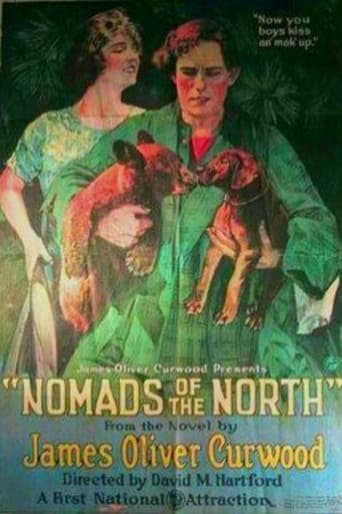
Titles linked here include The Queen of Sheba (1921), Nomads of the North (1920).
When was Betty Blythe born and when did she die?
Born September 4, 1893; died April 7, 1972.
What awards did Betty Blythe win?
While Betty Blythe did not receive major acting awards during her career, she was honored with a star on the Hollywood Walk of Fame at 1708 Vine Street, recognizing her significant contributions to American cinema.
What was Betty Blythe's acting style?
Betty Blythe employed the dramatic, theatrical style typical of silent film actors, with expressive gestures and facial features to convey emotion. She specialized in exotic, glamorous roles and was particularly effective in costume dramas where she could showcase both her beauty and dramatic abilities.
Did Betty Blythe successfully transition to sound films?
Yes, Betty Blythe was one of the relatively few silent film stars who successfully made the transition to talkies. While her starring roles diminished in the sound era, she continued working steadily in supporting and character roles through the 1930s and early 1940s.
Was Betty Blythe married?
Betty Blythe was married twice. Her first marriage was to actor-director Paul Scardon from 1920 to 1928, and her second marriage was to Paul Eastman from 1931 until his death in 1960. She had no children from either marriage.