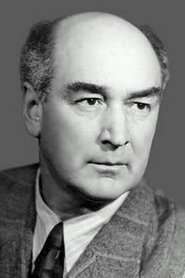
Nikolai Mordvinov
Actor
Born: February 15, 1901 in Moscow, Russian Empire Died: January 7, 1966 Active: 1930s-1960s Birth Name: Nikolai Dmitrievich Mordvinov
Films
4 films
About Nikolai Mordvinov
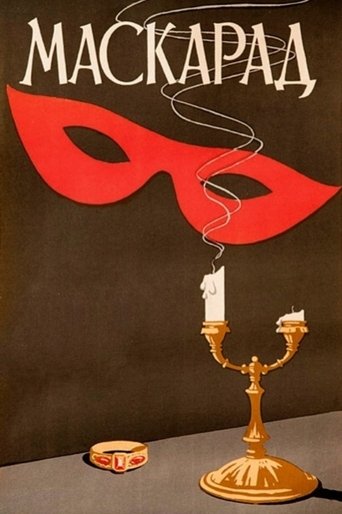
Soviet actor: several decades of Russian and Soviet cinema. He graduated from the Leningrad Institute of Performing Arts in the early 1930s and began his stage career before transitioning to film. Mordvinov gained prominence during the 1940s with his powerful performances in Soviet war dramas and literary adaptations. His role in 'Masquerade' (1941) showcased his ability to portray complex aristocratic characters with psychological depth. During World War II, he contributed to the war effort by performing for troops and participating in propaganda films. Post-war, Mordvinov continued his work in both cinema and theater, becoming a respected figure in Soviet cultural circles. His later years were marked by teaching at theatrical institutes and mentoring young actors, cementing his legacy in Russian performing arts.
The Craft
On Screen
Classical theatrical training combined with naturalistic screen presence, known for his deep, resonant voice and ability to convey complex psychological states through subtle gestures and facial expressions. His approach was heavily influenced by the Stanislavski system, emphasizing emotional authenticity and character immersion.
Milestones
- Graduated from Leningrad Institute of Performing Arts
- Starred in 'Masquerade' (1941)
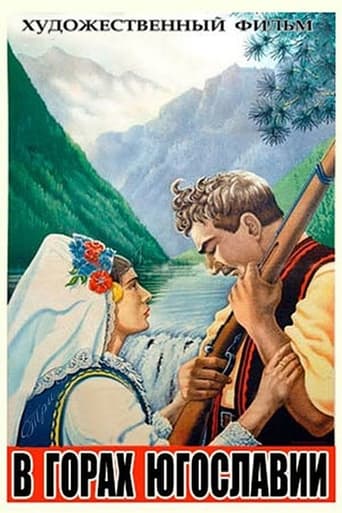
- Appeared in 'In the Mountains of Yugoslavia' (1946)
- Received Stalin Prize for acting
- Became People's Artist of the USSR
- Taught at prestigious theatrical institutes
Best Known For
Iconic Roles
Must-See Films
Accolades
Won
- Stalin Prize (1941)
- Order of the Red Banner of Labour
- Order of the Badge of Honour
Special Recognition
- People's Artist of the USSR (1949)
- Honored Artist of the RSFSR
Working Relationships
Worked Often With
Studios
Why They Matter
Impact on Culture
Nikolai Mordvinov represented the ideal of the Soviet intellectual actor, combining classical training with socialist realism principles. His performances helped shape the aesthetic of Soviet war cinema and literary adaptations during the 1940s and 1950s. As a teacher, he influenced generations of Soviet actors, helping to bridge the gap between theatrical tradition and film acting techniques. His work exemplified the Soviet cultural project of creating art that was both artistically sophisticated and ideologically appropriate.
Lasting Legacy
Mordvinov's legacy endures through his film performances, which continue to be studied in Russian film schools, and through the many actors he trained who became major figures in Soviet and Russian cinema. His approach to character acting, particularly in historical and literary adaptations, set standards for subsequent generations of Russian actors. The films he appeared in, especially 'Masquerade,' remain classics of Soviet cinema and are regularly screened at film retrospectives and cultural festivals.
Who They Inspired
Mordvinov influenced Soviet cinema through his methodical approach to character development and his ability to balance theatrical grandeur with cinematic naturalism. His students and collaborators carried forward his techniques, contributing to the distinctive style of Soviet acting that emphasized psychological depth and social relevance. His work in adapting literary classics for the screen helped establish conventions for literary adaptations in Soviet cinema.
Off Screen
Mordvinov was known for his dedication to the craft of acting and maintained a relatively private personal life. He was married and had children who also pursued careers in the arts. Despite the political pressures of the Stalin era, he managed to navigate the complex Soviet cultural landscape while maintaining artistic integrity. He was respected by colleagues for his professionalism and willingness to help younger actors develop their skills.
Education
Leningrad Institute of Performing Arts, graduated 1932
Family
- Anna Mordvinova (1930-1966)
Did You Know?
- Was originally trained as a lawyer before switching to acting
- Spoke multiple languages fluently, which helped him in international co-productions
- Survived the Stalin purges despite working with several directors who were arrested
- His voice was used for radio broadcasts during WWII to boost morale
- Was a member of the Communist Party and participated in cultural delegations abroad
- Maintained an extensive library of theatrical literature
- Was known for his methodical preparation, sometimes spending months researching historical roles
- Refused several offers to defect to the West during the Cold War
- His performance in 'Masquerade' was studied by actors across the Eastern Bloc
- Was friends with composer Dmitri Shostakovich and appeared in productions of his works
In Their Own Words
Acting is not imitation but revelation of truth through the character's soul
The stage and screen are different temples, but they worship the same god - truth
In every role, I seek not to play but to become
The actor must be both the mirror and the lamp - reflecting reality and illuminating it
Art in our time must serve the people while serving the eternal truths of human experience
Frequently Asked Questions
Who was Nikolai Mordvinov?
Prominent Soviet with credits in this catalog. He was celebrated for his performances in literary adaptations and war films, and was recognized as a People's Artist of the USSR for his contributions to Soviet culture and theater.
What films is Nikolai Mordvinov best known for?
Titles linked here include Masquerade (1941), In the Mountains of Yugoslavia (1946).
When was Nikolai Mordvinov born and when did he die?
Born February 15, 1901; died January 7, 1966.
What awards did Nikolai Mordvinov win?
Mordvinov received the prestigious Stalin Prize in 1941 for his acting achievements, was named People's Artist of the USSR in 1949, and was also honored as an Honored Artist of the RSFSR. Additionally, he received state orders including the Order of the Red Banner of Labour and the Order of the Badge of Honour.
What was Nikolai Mordvinov's acting style?
Mordvinov's acting style combined classical theatrical training with naturalistic screen presence, heavily influenced by the Stanislavski system. He was known for his deep voice, psychological depth in character portrayal, and ability to balance theatrical grandeur with cinematic authenticity, particularly in historical and literary roles.