
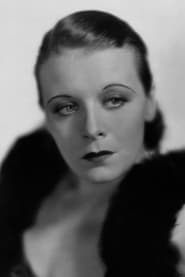
Rita La Roy
Actor
Born: October 2, 1901 in Bonners Ferry, Idaho, USA Died: February 18, 1993 Active: 1929-1936
Films
5 films
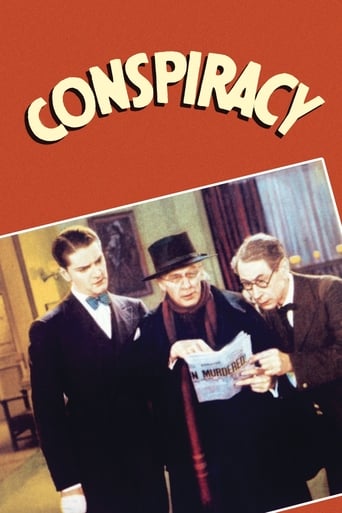

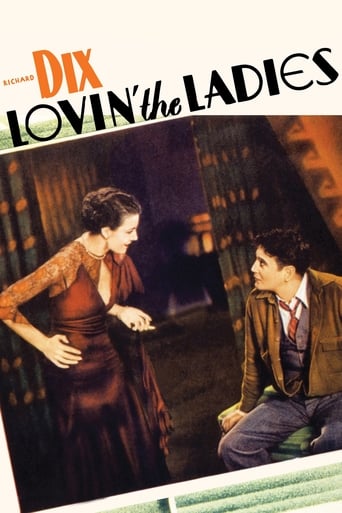
About Rita La Roy
American actress who found success during the transition from silent films to talkies in the early 1930s. Born in Idaho, she began her career in the late 1920s and quickly established herself as a reliable character actress, often playing sophisticated women, femme fatales, and supporting roles. Her most productive period was between 1930 and 1936, during which she appeared in numerous films for various studios. La Roy was particularly effective in roles that required a combination of glamour and world-weary cynicism, making her a popular choice for pre-Code Hollywood productions. She worked alongside many of the era's biggest stars but never achieved leading lady status, instead building a respectable career as a versatile supporting player. Her film career tapered off by the late 1930s, and she largely retired from acting, though she occasionally appeared in television roles in the 1950s. La Roy's legacy remains as a representative example of the many capable actresses who populated Hollywood's Golden Age but whose names have largely faded from public memory.
The Craft
On Screen
La Roy specialized in portraying sophisticated, worldly women with an underlying edge of mystery or danger. Her acting style was characteristic of the early talkies era, combining theatrical expressiveness with the new demands of sound performance. She excelled at delivering sharp, witty dialogue with a cool, detached demeanor that made her particularly effective in roles as society women, gold diggers, and mysterious figures. Her screen presence was marked by a certain aloof elegance that served her well in the pre-Code era's more adult-themed productions.
Milestones
- Film debut in 1929 during the transition to sound
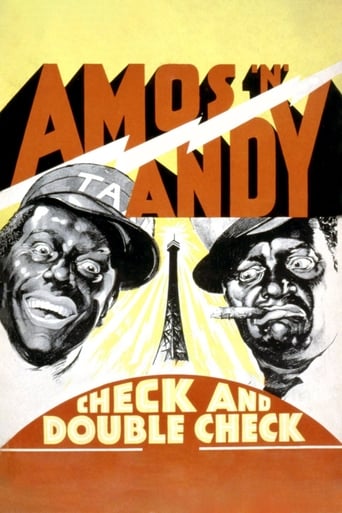
- Notable supporting role in 'Check and Double Check' (1930)
- Appeared in multiple pre-Code Hollywood productions
- Worked across major studios including Paramount and RKO
- Successfully transitioned from silent films to talkies
Best Known For
Iconic Roles
Must-See Films
Working Relationships
Worked Often With
Studios
Why They Matter
Impact on Culture
Rita La Roy represents the archetype of the capable Hollywood character actress who populated the Golden Age of cinema. While never achieving star status, her work contributed to the richness of ensemble casts in early sound films. Her performances in pre-Code productions helped establish the sophisticated, adult-oriented storytelling that characterized early 1930s Hollywood before the enforcement of the Production Code. La Roy's career trajectory also reflects the challenges faced by many actresses of her era who struggled to maintain careers as the studio system evolved and audience tastes changed.
Lasting Legacy
Though largely forgotten today, Rita La Roy's legacy lives on through her film performances that survive as artifacts of early sound cinema. She represents the countless skilled supporting players who were essential to Hollywood's Golden Age but whose names rarely appear in film histories. Her work in pre-Code films provides valuable insight into the more daring and sophisticated storytelling of early 1930s Hollywood. Film historians and classic cinema enthusiasts continue to discover and appreciate her contributions to the medium through preservation and restoration efforts of her films.
Who They Inspired
As a character actress rather than a star, Rita La Roy's direct influence on subsequent generations of performers is difficult to trace. However, her work exemplified the professional standards and versatility required of supporting players in the studio system. Her ability to create memorable characters within limited screen time set an example for future character actors. The types of roles she specialized in - sophisticated, often morally ambiguous women - became archetypes that would be reinterpreted by actresses in later decades.
Off Screen
Rita La Roy maintained a relatively private personal life throughout her career. She was known as a professional who focused on her craft rather than seeking publicity. After retiring from films, she lived quietly in California, occasionally taking small television roles. She never married and had no children, dedicating her later years to private pursuits away from the entertainment industry spotlight.
Education
Limited information available about her formal education, though she likely received some dramatic training to prepare for her acting career.
Did You Know?
- Born in the small town of Bonners Ferry, Idaho, far from Hollywood
- Her active years covered the crucial transition period from silent films to talkies
- Appeared in 'Check and Double Check,' one of the first films to feature an all-Black cast in major roles
- Worked during the pre-Code era when Hollywood films were more adult-oriented
- Never achieved leading lady status but worked consistently for nearly a decade
- Her film career ended just as the Production Code was being strictly enforced
- Made occasional television appearances in the 1950s, decades after her film career ended
- Lived to be 91 years old, outliving most of her contemporaries from the early sound era
- Often typecast as 'the other woman' or sophisticated society types
- Her real name was the same as her stage name, unusual for the era
In Their Own Words
While specific quotes are not widely documented, her characters often delivered the sharp, witty dialogue typical of pre-Code films.
Frequently Asked Questions
Who was Rita La Roy?
American actress active in early Hollywood during the transition from silent films to talkies. She worked primarily as a character actress in the early 1930s, appearing in supporting roles in numerous films including 'Check and Double Check' and 'Sin Takes a Holiday'.
What films is Rita La Roy best known for?
Titles linked here include Check and Double Check (1930), Sin Takes a Holiday (1930).
When was Rita La Roy born and when did she die?
Born October 2, 1901; died February 18, 1993.
What awards did Rita La Roy win?
Rita La Roy did not receive any major awards or nominations during her career. Like many character actresses of her era, her contributions to film were recognized through steady employment rather than formal accolades.
What was Rita La Roy's acting style?
Rita La Roy specialized in portraying sophisticated, worldly women with an edge of mystery or danger. Her style was characteristic of early talkies, combining theatrical expressiveness with sharp dialogue delivery, making her particularly effective as society women and femme fatales in pre-Code Hollywood productions.
Why did Rita La Roy's career end in the 1930s?
Rita La Roy's career tapered off by the late 1930s, likely due to changing studio preferences and the enforcement of the Production Code, which limited the types of sophisticated, morally ambiguous roles she often played. Like many character actresses of her era, she struggled to maintain her career as the studio system evolved.
Did Rita La Roy work in television?
Yes, Rita La Roy made occasional television appearances in the 1950s, decades after her film career had ended. These were minor roles that came during the early days of television production.