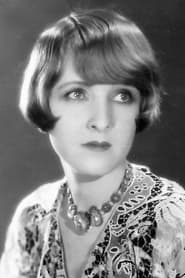
Claire Windsor
Actor
Born: April 14, 1892 in Cawker City, Kansas, USA Died: October 24, 1972 Active: 1920-1945 Birth Name: Clara Viola Cronk (also known as Olivia Cronk)
Films
3 films
About Claire Windsor
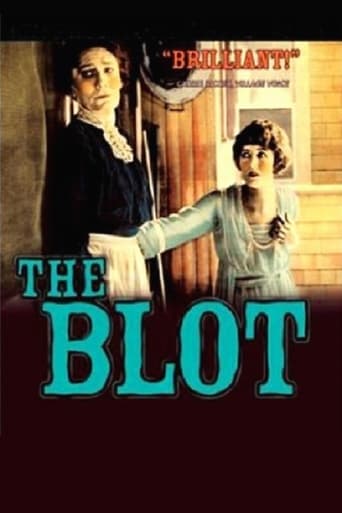
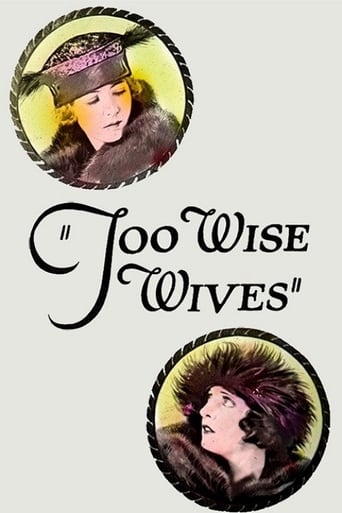
Claire Windsor (born Clara Viola Cronk) was a prominent silent film actress who rose to fame in the early 1920s after being discovered by director Lois Weber. Her breakthrough came with starring roles in Weber's social dramas 'The Blot' (1921) and 'Too Wise Wives' (1921), which showcased her natural acting style and screen presence. Windsor was selected as one of the WAMPAS Baby Stars of 1922, a prestigious honor recognizing promising young actresses, and quickly became one of the highest-paid stars of the silent era. She signed with Paramount Pictures and starred in numerous successful films throughout the 1920s, including 'The Little Girl Who Lives Down the Lane' (1923) and 'The Sea Hawk' (1924). Despite her popularity, Windsor struggled with the transition to sound films and her career declined in the early 1930s. She made a brief comeback in the 1940s with character roles before retiring from acting entirely. Beyond her film career, Windsor was also known for her beauty and style, becoming a fashion icon of the Roaring Twenties.
The Craft
On Screen
Claire Windsor was known for her natural, understated acting style that contrasted with the more theatrical performances common in silent films. She possessed a gentle screen presence and emotional subtlety that made her particularly effective in dramatic roles. Her expressive eyes and delicate features allowed her to convey complex emotions without exaggerated gestures, making her performances feel authentic and relatable to audiences.
Milestones
- Discovered by director Lois Weber
- Selected as WAMPAS Baby Star of 1922
- Starred in 'The Blot' (1921), her breakthrough film
- Became one of highest-paid silent film stars of 1920s
- Signed contract with Paramount Pictures in 1922
- Successfully transitioned from leading lady to character roles
Best Known For
Iconic Roles
Must-See Films
Accolades
Won
- WAMPAS Baby Star (1922)
Special Recognition
- Star on Hollywood Walk of Fame (located at 7021 Hollywood Blvd)
- Honored by the Film Preservation Society for contributions to silent cinema
Working Relationships
Worked Often With
Studios
Why They Matter
Impact on Culture
Claire Windsor represented the ideal of feminine grace and sophistication during the Roaring Twenties, becoming a style icon whose fashion choices influenced women across America. Her natural acting style helped move silent film performance away from theatrical exaggeration toward more subtle, realistic portrayals. As one of the few actresses who successfully negotiated her own contracts and maintained creative control over her projects, she paved the way for greater autonomy for women in Hollywood. Her collaboration with female director Lois Weber also highlighted the important role women played in early Hollywood.
Lasting Legacy
Claire Windsor's legacy lies in her contributions to the evolution of screen acting during the transition from theatrical to cinematic performance styles. Though largely forgotten by mainstream audiences, she remains significant among film historians for her work with Lois Weber and her status as a top box office draw during the silent era. Her films, particularly 'The Blot,' are studied today as examples of sophisticated social commentary in silent cinema. The preservation of her work has helped modern audiences appreciate the artistry and emotional depth possible in silent film performance.
Who They Inspired
Windsor influenced subsequent generations of actresses through her demonstration that subtlety and naturalism could be powerful tools in film performance. Her success in negotiating favorable contracts and maintaining creative control set precedents for future stars seeking greater autonomy. Her collaboration with female directors like Lois Weber helped demonstrate the viability of women in leadership roles within the film industry, though this influence would not be fully realized until decades later.
Off Screen
Claire Windsor was married three times and had one son. Her first marriage to Bert Lytell ended in divorce, as did her second marriage to Willis S. Paine. Her third marriage to Andrew E. Sproul lasted until his death in 1967. In her later years, she lived a relatively private life in California, occasionally appearing at film festivals and silent cinema retrospectives. She was known for her intelligence and business acumen, having invested wisely during her peak earning years, which provided her financial security in retirement.
Education
Attended Cawker City High School in Kansas; later studied drama in Chicago before moving to Hollywood
Family
- Bert Lytell (1924-1925)
- Willis S. Paine (1929-1931)
- Andrew E. Sproul (1936-1967)
Did You Know?
- She was discovered while working as a model in Chicago
- Her stage name 'Claire Windsor' was chosen by studio executives
- She was one of the first actresses to earn $1,000 per week
- Her home in Hollywood was designed by noted architect Wallace Neff
- She was fluent in French and considered moving to Paris in the 1930s
- Her son William David Lytell later became a film producer
- She was an accomplished painter in her retirement years
- Her films were among the first to be preserved by the Library of Congress
- She was known for refusing to do her own stunts, even when requested
- Her beauty mark was considered her signature feature and was often emphasized in publicity photos
In Their Own Words
The silent screen demanded a different kind of acting - more from the eyes and heart than from the voice
Being a star in the twenties was like being royalty, but the throne could disappear overnight
Lois Weber taught me that the camera sees everything, especially what you try to hide
Transition to sound was difficult for many of us, but the real challenge was maintaining our dignity in a changing industry
Frequently Asked Questions
Who was Claire Windsor?
Prominent American silent film actress who rose to fame in the early 1920s, known for her natural acting style and roles in films like 'The Blot' and 'Too Wise Wives.' She was selected as a WAMPAS Baby Star in 1922 and became one of the highest-paid actresses of the silent era.
What films is Claire Windsor best known for?
Titles linked here include The Blot (1921), Too Wise Wives (1921).
When was Claire Windsor born and when did she die?
Born April 14, 1892; died October 24, 1972.
What awards did Claire Windsor win?
Claire Windsor was selected as one of the WAMPAS Baby Stars of 1922, which was a prestigious honor recognizing promising young actresses. She also received a star on the Hollywood Walk of Fame for her contributions to the film industry.
What was Claire Windsor's acting style?
Claire Windsor was known for her natural and understated acting style, which contrasted with the more theatrical performances common in silent films. She used subtle facial expressions and her expressive eyes to convey emotions effectively, making her performances feel authentic and relatable.
How did Claire Windsor's career evolve over time?
Windsor began as a leading lady in the early 1920s, became one of the highest-paid silent film stars, struggled with the transition to sound films in the 1930s, and later returned to character roles in the 1940s before retiring from acting entirely.
Who discovered Claire Windsor?
Claire Windsor was discovered by female director Lois Weber while working as a model in Chicago. Weber cast her in leading roles in 'The Blot' and 'Too Wise Wives,' which launched her film career.